

Emotional Impact of Infertility and Coping Tips
Infertility impacts more than just physical health; it affects emotions, relationships, self-confidence, and psychological well-being. Couples experience fear, sadness, frustration, anxiety, and emotional exhaustion while attempting to conceive (Schermerhorn and Kreider, 2008). The emotional impact of infertility can be overwhelming when people experience expectations, social pressure, and repeated disappointments that affect their day-to-day living.
For many, parenthood is intertwined with personal dreams, family expectations, and future plans. With no natural conception, couples may face emotional stress that ultimately impacts their well-being, marriage, social life, and self-esteem.
What is the emotional impact of infertility?
The emotional impact of infertility is the mental and emotional stress experienced by individuals and couples when unable to conceive. Infertility can produce feelings of helplessness, guilt, loneliness, anger, and despair.
Couples may experience emotional challenges including:
• Constant pregnancy expectation stress
• Fertility testing and treatment anxiety
• Depression after failed attempts at conception
• Fear for the future
• Interpersonal partner relationship stress
• Social isolation and emotional withdrawal
• Low confidence and self-esteem
The emotional impact of infertility may vary from person to person. Some people express their emotions openly while others silently bear emotional stress.
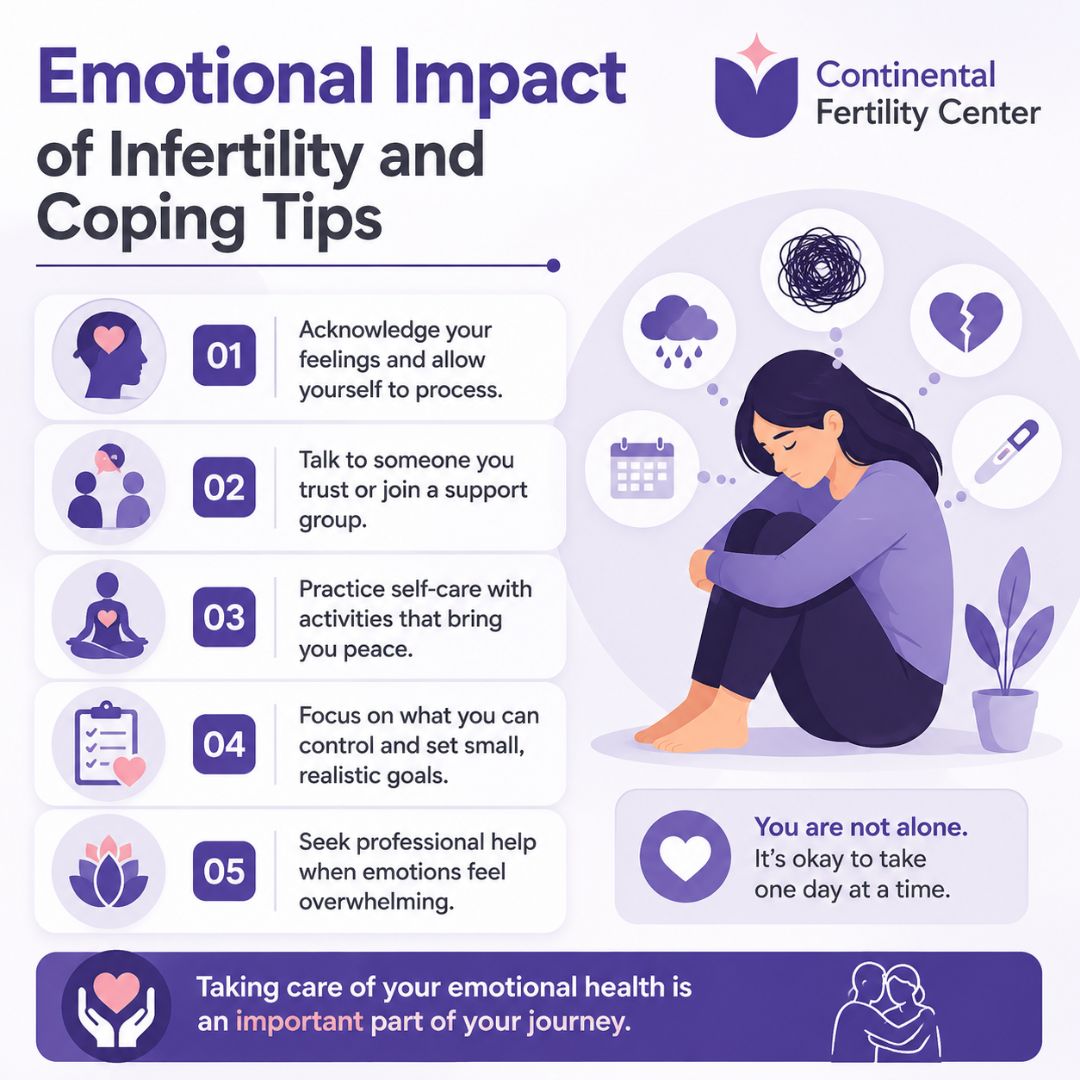
Common Psychological Symptoms in Infertility
Lowered Mood and Irritability
The stress of infertility will have an impact on sleeping patterns, appetite, concentration, and emotional stability. Anxiety can arise when waiting for tests to appear, during the ovulation cycle, and/or in response to fertility treatments.
Anxiety, Depression and Sadness
Repeated fertility failure can cause a sense of sadness and hopelessness. Those who have been trying have interest in socializing reduced and can feel emotionally drained.
Disgust, Anger and Irritation
In many cases where treatments don't work, people will feel irritated. The need to answer questions at home and from society can raise the level of emotional points.
Guilt, Self-Blame, and Guilt
People may blame themselves for infertility issues even when medically unexplained, and this type of emotional strain may lead to strain on both mental and relationship health.
Relationship Problems
Infertility is also known to have an emotional impact on relationships and can cause gaps in communication between partners. Emotional issues may cause misunderstandings, distance, and lack of intimacy.
Why Mental Health and Infertility are So Related
It is well known that mental health and infertility effects are closely related, as these fertility difficulties can have psychological impacts and affect emotional health. Ongoing infertility stress impacts daily activities and usual routines, work, and social confidence.
It is not uncommon for couples affected by infertility to experience emotional exhaustion caused by multiple appointments, investigations, medications, and anxiety caused by uncertainties of unknown outcomes. Pressure from relatives and social events and their impact in terms of dissipated stress.
It is important to manage mental health so as to be consistently stable and optimistic, as this will enable patients to have an emotional response to coping with the obstacles and challenges of infertility treatment.
When You Should Consider Fertility-Emotional Support
You should consider infertility emotional support if you experience any of the following:
• Constantly sad, or crying for no reason
• Anxiety and panic attacks
• Sleep difficulties
• Loss of interest with activities of daily living
• Emotional breakdown after discussing fertility options
• Relationship problems & arguments
• Hopelessness
• Isolation from family and friends
It is healthy and a good idea to get infertility emotional support.
Managing Your Infertility in Healthy Ways
Learning healthy ways of coping with infertility can reduce your stress levels and increase your emotional resilience.
Openly Talking with Your Spouse
Open communication is the best way for couples to understand each other’s feelings. Being able to discuss and share your fears, issues and hopes together can help strengthen your emotional bond and mitigate misunderstandings.
Get Infertility Counseling
Infertility counseling offers a safe, emotional environment for patients to manage emotional stress. Professional infertility counselors provides emotional advice and coping mechanisms based on the needs of each individual.
Improve Mental Wellness
Mental wellness improves emotional balance by:
• practicing meditation and deep breathing
• engaging in mindfulness practices
• utilizing positive thinking techniques
• practicing stress management techniques
• ensuring proper sleep
Disregard Social Pressure
Repeated questions about pregnancy may add to emotional distress. It is essential to set emotional boundaries, separate from other people.
Engage in Physical Exercises
Physical exercises enhance emotional well-being, reduce stress hormones, and improve mental health. Walking, yoga, and gentle workouts are great for maintaining emotional balance.
Enlist Support Groups
Talking to others who are also struggling with fertility can ease strain and provide emotional support.
Role of Infertility Counseling
Infertility counseling is a vital part of fertility treatment, as it helps reduce emotional stress. Infertility counseling sessions help couples:
• manage stress associated with infertility
• maintain emotional communication
• foster positivity and confidence
• manage treatment-associated anxiety
• improve emotional well-being
• enhance relationships
We consider emotional care to be part of fertility treatment at Continental Fertility Centre as an essential component of overall well being.
Emotional Health Tips For Those In Fertility Treatment
Stay Updated On Your Treatment
Learning about fertility treatment plans and procedures can help alleviate fear and uncertainty.
Acknowledge Small Progress
Every positive step during treatment matters. Aiming for progress instead of pressure can lead to stronger emotional motivation.
Take a Moment If You Need It
Emotional burnout can happen during a lengthy fertility journey. Taking brief emotional pauses can facilitate better emotional recovery.
Avoid Negative Online Information
Researching fertility online can be overwhelming. Trust the medical consultation section of fertility doctors.
Keep Good Company
Spending time with supportive friends and family members can ease feelings of isolation and loneliness.
Why Choose the Continental Fertility Centre?
Choosing a fertility center is a personal decision that affects both your medical and emotional experience. Continental Fertility Center provides the best fertility therapy right from the diagnosis stage to delivering the best support care for women and men along their fertility journey.
Why Continental Fertility Center is a preferred choice for many patients:
• Reproductive experts and experienced fertility doctors
• World-class fertility diagnosis and treatment options
• Fertility treatment plan individualised for patients
• Comprehensive emotional counseling for patients
• International quality standards and patient safety regulations
• Multidisciplinary medical expertise under one roof
• Multispeciality fertility infrastructure and state-of-the-art labs
• Dedicated and confidential patient care
Continental Hospital is considered one of the best hospitals in Hyderabad for complete healthcare. The hospital is known for state-of-the-art medical technology, patient-centric healthcare, and internationally reputed standards of healthcare.
When Should I Meet a Fertility Specialist
You ought to see a fertility specialist if you are experiencing any of the following:
• Pregnancy is unlikely as regular attempts have failed
• Menstrual cycles are abnormal or irregular
• There is a history of reproductive health disorders
• Previous fertility treatments were unsuccessful
• The infertility is weighing heavily on your emotional health
Early consultation enhances early diagnosis, emotional security, and treatment planning.
Conclusion
The emotional impact of infertility can influence every facet of life, ranging from relationships to overall emotional and mental well-being. Infertility is both a medical and emotional problem that deserves compassion, care, and professional help.
Infertility counseling, emotional support, and cutting-edge medical care can help couples cope more effectively. Healthy coping strategies, emotional support, and best-in-class treatment can help couples manage infertility stress and boost their sense of emotional well-being and treatment confidence.
If you or someone you love is struggling with infertility stress, emotional challenges, or infertility, consult our best fertility specialists at Continental Fertility Center for infertility counseling, fertility support, and personalized reproductive care. Early care can help improve emotional well-being and fertility results.
Related Blog Topics:
Frequently Asked Questions
Infertility can lead to emotional stress, anxiety, sadness, depression, frustration, low self-esteem, and relationship difficulties. Many couples also experience social pressure and emotional exhaustion during fertility treatments.
Couples can cope with infertility stress by communicating openly, seeking emotional support, practicing relaxation techniques, maintaining a healthy lifestyle, and consulting fertility specialists or counselors for guidance.
Yes, infertility can significantly affect mental health. It may increase the risk of anxiety, depression, emotional burnout, mood swings, and feelings of isolation if not properly addressed.
Emotional support helps reduce stress, improves emotional well-being, strengthens relationships, and helps individuals stay positive throughout fertility treatments such as IVF, IUI, or other assisted reproductive procedures.
Stress management tips for infertility include meditation, yoga, regular exercise, healthy sleep habits, counseling, support groups, journaling, and spending quality time with loved ones.
You should seek professional help if infertility-related stress affects your daily life, relationships, sleep, work performance, or emotional health. Fertility counselors and mental health experts can provide effective coping strategies.
Yes, healthy lifestyle changes such as balanced nutrition, regular exercise, avoiding smoking and alcohol, proper sleep, and stress reduction activities can improve emotional well-being during infertility.
Continental Fertility Centre offers advanced fertility treatments, experienced IVF specialists, personalized care, emotional counseling support, and comprehensive reproductive healthcare to help couples achieve parenthood with confidence.