
How Weight Affects Fertility in Men and Women
Fertility is really connected to how healthy you are; your weight is a big part of that. When you are trying to have a baby, your weight can make a difference. Lots of couples who want to have a baby focus on treatments, but keeping a healthy weight can really help you get pregnant naturally or with fertility treatments. Your weight affects your fertility, whether you are a man or a woman, because it affects your hormones, reproductive organs, the quality of your eggs, the health of your sperm, and your overall fertility health.
Understanding how your weight and fertility are connected
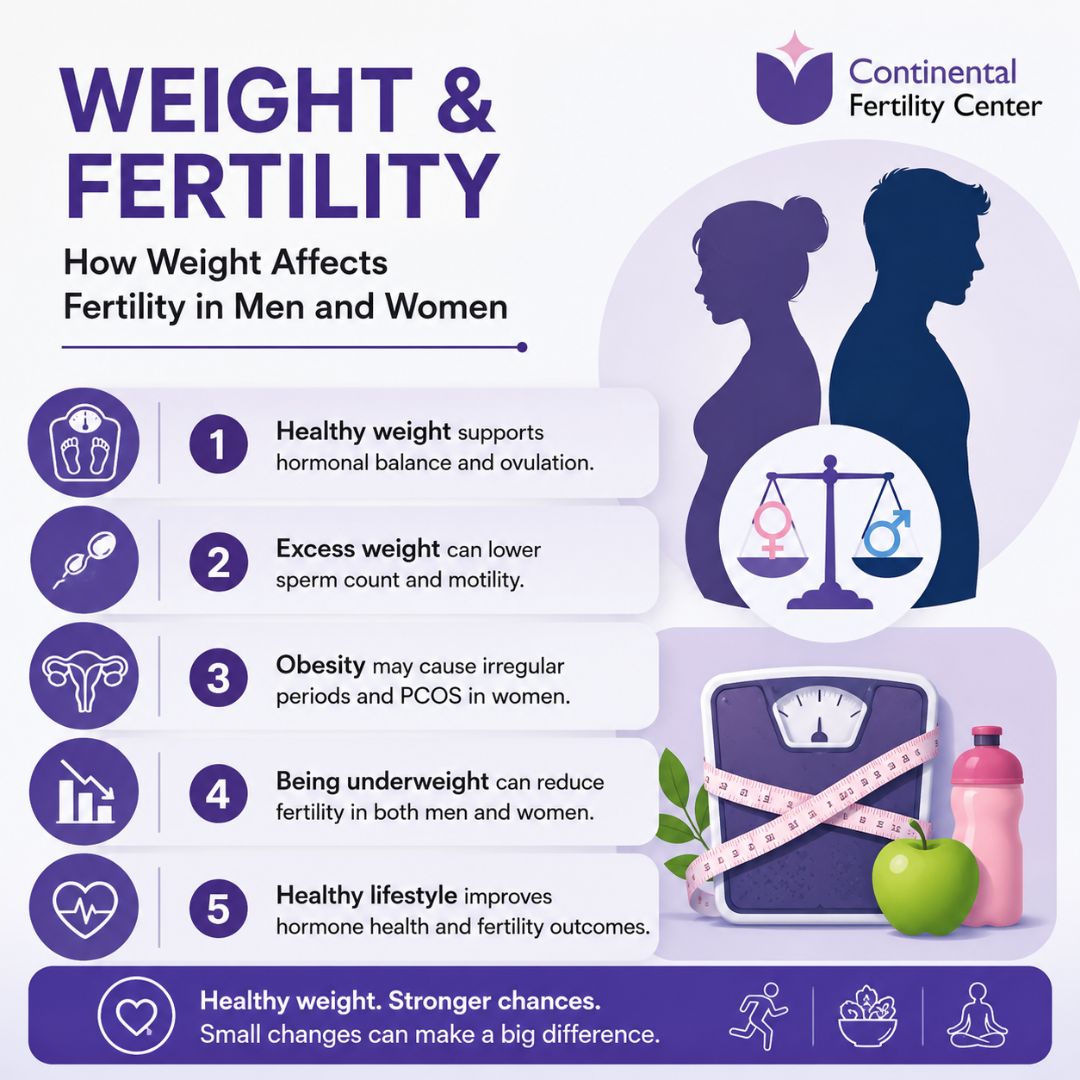
Your weight has an impact on the hormones in your body. These hormones control when you ovulate if you are a woman and how sperm you produce if you are a man. If your weight is too high or too low, it can mess with these hormones. Cause fertility problems.
Your weight affects your fertility because if you have too much body fat or not enough, it can interfere with your reproductive system. This can make it harder to get pregnant naturally. It can also affect how well fertility treatments like IVF work.
Keeping a healthy weight is good for your reproductive system; it helps your fertility health, and it makes it more likely that you will have a healthy pregnancy. Fertility is really important. Your weight plays a big role in that. So if you are trying to have a baby, you should try to keep a weight, and that will help your fertility, and it will also help you have a healthy baby.
How Extra Weight Affects Women's Ability to Get
Women who are overweight or obese can have several problems with their reproductive health. Having extra body fat makes estrogen, which can mess up their periods and ovulation.
Common Fertility Issues Linked to Extra Weight in Women
- Periods
- Trouble with ovulation
- Poor egg quality
- Higher risk of polycystic ovary syndrome (PCOS)
- Lower success rates with IVF treatments
- Higher risk of miscarriage
- Pregnancy complications
Many women with obesity have hormonal imbalances that stop their ovaries from releasing eggs regularly. When ovulation doesn't happen regularly, getting pregnant is hard.
Extra weight can also make insulin resistance worse, which is strongly linked to PCOS, a cause of infertility in women.
How Being Underweight Affects Women's Ability to Get Pregnant
Being underweight can also hurt fertility. Women with low body fat may stop ovulating altogether because their body doesn't have enough energy to support making a baby.
Signs That Low Weight May Affect Fertility
- absent periods
- Irregular ovulation
- Hormonal imbalances
- Low estrogen levels
- Difficulty getting pregnant naturally
Extreme dieting, eating disorders, excessive exercise, and not getting enough nutrients can lead to low body weight and infertility.
A healthy balance is key because both being overweight and underweight can reduce fertility.
How Weight Affects Male Fertility
A lot of people think that only women have problems with fertility. Male fertility is just as important when it comes to having a baby. The thing is weight can affect fertility by changing the way sperm is made, hormone levels, and sexual health.
When men are overweight, they might have low levels of testosterone and higher levels of estrogen. This can hurt the quality of their sperm. Make it harder to get someone pregnant.
Common Effects of Obesity on Male Fertility
- Sperm count is lower
- Sperm do not move well
- Sperm are not shaped right
- Testosterone levels are lower
- It is harder to get an erection
- Men do not want to have sex much
Having too much fat around the belly can make the area around the testes warmer, which can hurt sperm production. Being obese can also cause inflammation and stress, which can damage the DNA of sperm.
Can Being Underweight Affect Male Fertility?
Yes, it can. Men who are underweight might also have problems with fertility. When men do not weigh enough, their bodies might not make much testosterone, and their sperm might not be as healthy.
Low-Weight-Related Male Fertility Issues
- Not much sperm is made
- Testosterone levels are low
- The semen is not healthy
- Men do not get the nutrients they need for reproductive health
It is very important for men to eat well and have a healthy weight if they want to make healthy sperm and have good fertility.
Fertility Treatment Success
The weight of a man can affect how well fertility treatments work. Doctors who specialize in fertility often tell men to get to a weight before they start treatments like IVF or IUI.
Why Healthy Weight Improves Fertility Treatment Success
- Hormones are more balanced
- It is easier to get pregnant
- The eggs and sperm are healthier
- The embryo implants better
- There are problems during pregnancy
The body responds better to fertility treatments
Women who have a weight usually respond better to fertility medicines and have healthier pregnancies. Men who have a weight often have healthier sperm, which helps with fertilization. Male fertility is very important. Weight plays a big role in male fertility. Male fertility and weight are connected in ways.
Simple Lifestyle Changes That Help Fertility Health
Improving fertility health does not always need measures. Small changes can make a difference.
Healthy Habits for Better Fertility
- Eat a diet with fruits, vegetables, proteins and whole grains
- Exercise regularly with moderate activity
- Avoid smoking and alcohol
- Get sleep every day
- Reduce stress levels
- Drink plenty of water
- Maintain a healthy weight
Couples planning a pregnancy should focus on long-term healthy habits rather than quick weight loss methods.
Foods That Help Fertility
Nutrition plays a role in reproductive health. Certain foods help improve hormone balance, egg quality, and sperm health.
Fertility-Friendly Foods
- Leafy vegetables
- Nuts and seeds
- Fresh fruits
- Lean proteins
- Whole grains
- Healthy fats like olive oil and avocado
- Dairy products in moderation
Avoiding processed foods, sugary drinks, and unhealthy fats may also improve fertility outcomes.
When to See a Fertility Specialist?
If you have been trying to conceive without success, it is important to seek guidance.
You Should Consult a Fertility Specialist If
- You have periods
- You have PCOS or hormonal issues
- You have had repeated miscarriages
- You are overweight or underweight and unable to conceive
- You have known fertility issues
- You have been trying for pregnancy for several months without success
Early diagnosis and treatment can improve fertility outcomes and reduce emotional stress.
Why Choose Continental Fertility Centre?
The Continental Hospitals Fertility Centre is recognized as one of the hospitals in Hyderabad for fertility and reproductive care.
What Makes Continental Fertility Centre Different?
- Experienced fertility specialists and embryologists
- Advanced IVF and fertility technology
- Comprehensive male and female fertility evaluation
- Personalized fertility treatment plans
- High standards of patient care
- laboratories and fertility infrastructure
- Multidisciplinary support for reproductive health
- Caring and confidential fertility care
Continental Hospitals is a JCI and NABH accredited healthcare institution known for excellence in patient safety, advanced medical technology, and quality healthcare services. These accreditations reflect the hospital’s commitment to fertility treatment and reproductive care.
The hospital combines expertise with modern innovation to provide accurate diagnosis and successful fertility solutions for couples facing infertility challenges.
Conclusion
Weight affects fertility in both men and women. Hormonal balance, ovulation, sperm quality, reproductive health, and pregnancy success are all influenced by body weight. Maintaining a lifestyle and balanced weight can improve fertility naturally and increase the effectiveness of fertility treatments.
If you are struggling with infertility, irregular cycles, PCOS, low sperm count, or other fertility concerns, consult our best fertility specialist in Hyderabad at the Continental Hospitals Fertility Center for expert evaluation and advanced treatment options.
Frequently Asked Questions
Being overweight or underweight can affect hormone balance, ovulation, and menstrual cycles in women, making it harder to conceive naturally.
Yes, obesity can lower testosterone levels, reduce sperm quality, decrease sperm count, and negatively impact male fertility.
Healthy weight loss through balanced diet and exercise may improve hormone balance, ovulation, sperm quality, and overall chances of conception.
Yes, being underweight can disrupt hormone production and ovulation in women and may affect sperm health in men.
Obesity may reduce the success rates of IVF treatment by affecting egg quality, embryo implantation, and pregnancy outcomes.
A BMI between 18.5 and 24.9 is generally considered healthy and may support better fertility outcomes in both men and women.
Yes, excess body fat can alter hormone levels such as estrogen, insulin, and testosterone, which can interfere with fertility.
Couples should consult a fertility specialist if they have difficulty conceiving for 6 to 12 months and suspect weight-related fertility problems.