

Low Sperm Count: Causes, Tests and Solutions
Parenthood is a beautiful journey, but for many couples, the path to conceiving a child can come with unexpected challenges. When a couple faces difficulty conceiving, the focus often turns to female fertility, yet male fertility factors contribute to about half of all infertility cases. A primary factor in male fertility is a low sperm count. Understanding what causes this condition, how it is tested, and the available solutions can empower couples to take proactive steps toward building their family.
Understanding Low Sperm Count and Male Infertility
A low sperm count, medically known as oligospermia, means that the fluid ejaculated during an orgasm contains fewer sperm than normal. A normal sperm count ranges from 15 million to more than 200 million sperm per milliliter of semen. If a count falls below 15 million sperm per milliliter, it is classified as a low sperm count.
While having a low sperm count decreases the likelihood that one of the sperm will fertilize the egg, it does not mean pregnancy is impossible. Many men with this condition are still able to father a child, though it may take more time and medical assistance. This condition is a leading contributor to male infertility, which is defined as the inability of a male to cause pregnancy in a fertile female after one year of regular, unprotected intercourse.
Recognizing Low Sperm Count Symptoms
In most cases, there are no obvious low sperm count symptoms that a man can notice during daily life. The primary sign is simply the inability to conceive a child. Most men have normal erections, fluid production, and sexual function, unaware of any underlying issues until they undergo fertility testing.
However, when a low sperm count is caused by an underlying condition, such as a hormone imbalance, an inherited chromosomal abnormality, or a structural blockage, certain symptoms might be present. These can include:
- A reduced sex drive or difficulty maintaining an erection, known as erectile dysfunction
- Pain, swelling, or a lump in the testicle area
- Decreased facial or body hair, which may indicate a hormonal or chromosomal issue
- A history of prostate or testicular problems
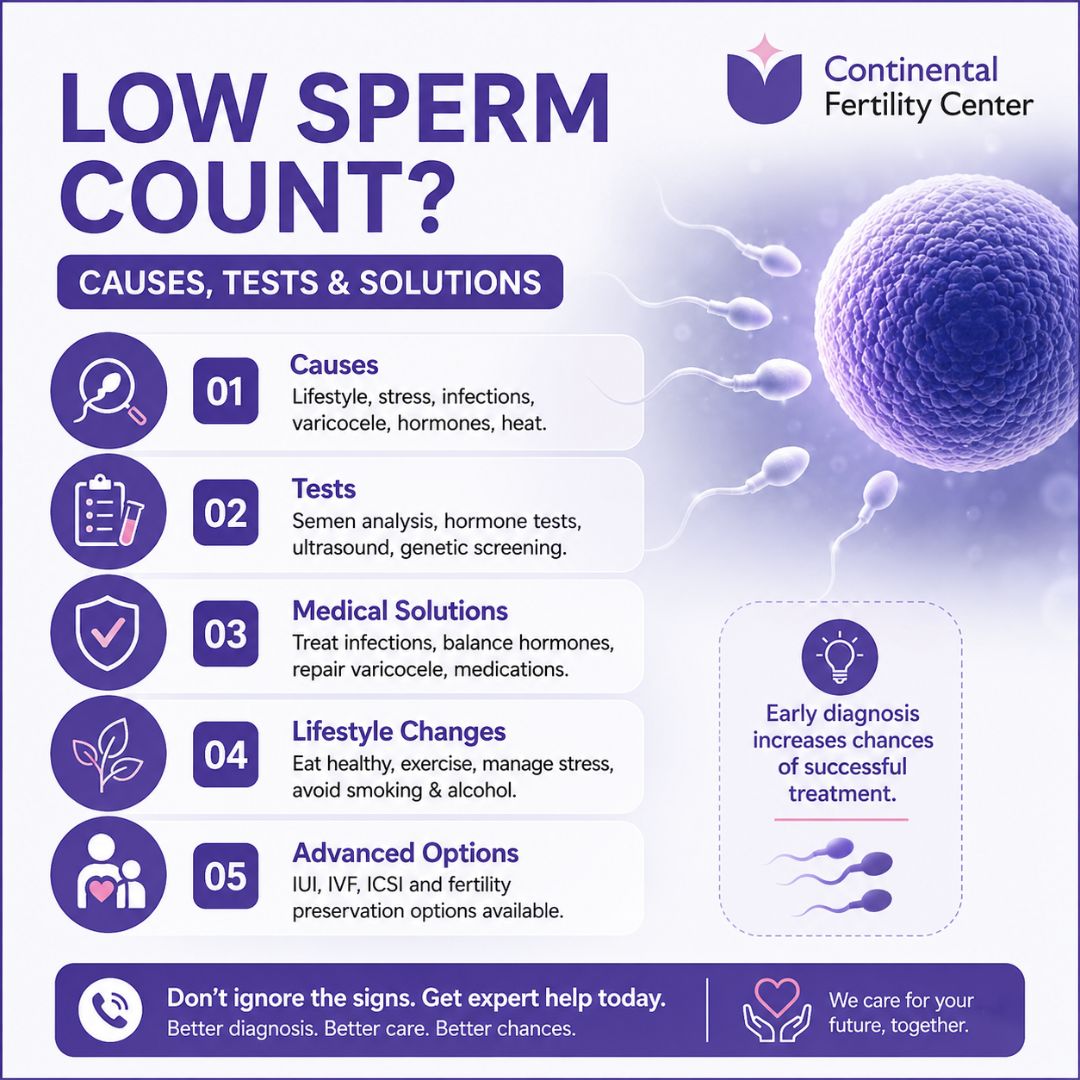
Exploring Low Sperm Count Causes
The production of sperm is a complex process that requires the normal functioning of the testicles, as well as the hypothalamus and pituitary glands in the brain, which produce hormones that trigger sperm production. Issues within this system can lead to fertility challenges. The low sperm count causes can be broadly categorized into medical, environmental, and lifestyle factors.
Medical Causes
- Varicocele: This is a swelling of the veins that drain the testicle. It is the most common reversible cause of male infertility. Varicoceles prevent normal cooling of the testicle, which leads to reduced sperm production and quality.
- Infections: Certain infections can interfere with sperm production or sperm health, or they can cause scarring that blocks the passage of sperm. These include inflammation of the epididymis or testicles and some sexually transmitted infections.
- Hormone Imbalances: The hypothalamus, pituitary gland, and testicles produce hormones necessary to create sperm. Alterations in these hormones can impair sperm production.
- Prior Surgeries: Certain surgeries can prevent sperm from being present in the ejaculate, including vasectomy, inguinal hernia repairs, scrotal surgeries, or prostate surgeries.
Environmental and Lifestyle Causes
Industrial Chemicals and Heavy Metals: Extended exposure to certain materials, benzenes, toluene, xylene, pesticides, herbicides, organic solvents, painting materials, and lead might contribute to low sperm counts.
- Overheating the Testicles: Elevated temperatures impair sperm production. Frequent use of saunas, hot tubs, or sitting for long periods can increase scrotal temperature and slightly reduce sperm count.
- Smoking and Alcohol Consumption: Tobacco smoking and heavy alcohol use have been shown to reduce sperm count and lower testosterone levels.
- Obesity: Being overweight can cause hormonal changes that reduce male fertility and directly affect the sperm cells themselves.
Diagnosing the Issue: The Sperm Count Test
When a couple visits a fertility clinic, the diagnostic process begins with a comprehensive evaluation. To determine the root cause of male infertility, doctors rely on specific diagnostic tools.
The cornerstone of this evaluation is a sperm count test, officially called a semen analysis. During this procedure, a sample of semen is collected and examined under a microscope in a laboratory. The specialist evaluates several critical factors:
- Sperm Concentration: The number of sperm present in each milliliter of semen.
- Sperm Motility: The percentage of sperm that are moving actively and correctly.
- Sperm morphology: The size and shape of the sperm cells, which affects their ability to penetrate and fertilize an egg.
If the initial sperm count test shows a low sperm count, the specialist will typically order a second test a few weeks later to ensure consistency, as sperm counts can fluctuate naturally due to stress, recent illness, or lifestyle changes. Additional tests may include hormone testing via blood work, genetic tests, or a scrotal ultrasound to check for structural issues like a varicocele.
Modern Low Sperm Count Treatment and Solutions
Receiving a diagnosis of a low sperm count can feel overwhelming, but modern reproductive medicine offers highly effective solutions. The choice of low sperm count treatment depends entirely on the underlying cause identified during testing.
Medical and Surgical Interventions
Surgery: If a varicocele is detected, a minor surgical procedure can repair the swollen veins. This often leads to a significant increase in sperm count and overall sperm quality.
Hormone Treatments: When a hormone imbalance is the root cause, a specialist can prescribe hormone replacements or medications to balance hormone levels and restore healthy sperm production.
Antibiotic Therapy: If an active infection is present in the reproductive tract, a course of antibiotics can clear the infection, though this does not always reverse tissue scarring if it has already occurred.
Assisted Reproductive Technology (ART)
When traditional treatments do not result in pregnancy, advanced fertility treatments can help couples achieve their dream of parenthood. These treatments require fewer healthy sperm to achieve fertilization:
- Intrauterine Insemination (IUI): In this procedure, sperm are collected, washed, and concentrated in a lab, and then placed directly inside the woman's uterus around the time of ovulation.
- In Vitro Fertilization (IVF): Sperm and eggs are combined in a specialized laboratory dish to allow fertilization to occur outside the body, and the resulting embryo is transferred back to the womb.
- Intracytoplasmic Sperm Injection (ICSI): This is a specialized form of IVF used specifically for severe male factor infertility. A single healthy sperm is injected directly into a mature egg, bypassing the need for a high sperm count.
Lifestyle Adjustments: How to Increase Sperm Count Naturally
In addition to medical treatments, men can adopt several healthy habits to support their fertility. If you are wondering how to increase sperm count naturally, consider the following lifestyle modifications:
- Maintain a balanced, nutrient-rich diet high in antioxidants, vitamins, and minerals.
- Engage in regular, moderate physical exercise to manage stress and support a healthy weight.
- Avoid tight undergarments and prolonged exposure to high-heat environments to keep scrotal temperatures optimal.
- Limit alcohol consumption and completely avoid smoking or recreational drug use.
Why Choose Continental Hospitals for Male Fertility Care?
When dealing with sensitive reproductive health matters, choosing the right healthcare institution makes all the difference. Continental Fertility Center stands out as the best hospital in Hyderabad for comprehensive male fertility care and reproductive medicine.
Continental Hospitals is a premier multi-specialty healthcare institution recognized for its world-class clinical excellence and patient-centric approach. The hospital holds prestigious national and international accreditations, including the National Accreditation Board for Hospitals & Healthcare Providers (NABH) accreditation, ensuring that every patient receives the highest standards of safety, quality, and clinical care.
The Continental Fertility Centre within the hospital features state-of-the-art diagnostic laboratories, advanced operating theaters, and a highly sophisticated embryology lab equipped with the latest reproductive technologies. The multidisciplinary team of experts collaborates seamlessly to provide personalized treatment plans tailored to each couple's unique needs, ensuring privacy, empathy, and clinical precision throughout the treatment process.
Conclusion
A diagnosis of a low sperm count is not the end of the road for your dreams of building a family. With the advancements in modern reproductive medicine, precise diagnostic testing, and tailored treatment strategies, most couples can successfully overcome male infertility. Recognizing the symptoms early, understanding the potential causes, and seeking expert guidance are the most critical steps forward.
If you suffer from infertility or suspect you may have a low sperm count, do not hesitate to seek professional medical advice. Early intervention can significantly improve your chances of a successful conception.
Book a consultation with the best male infertility specialist at Continental Hospitals today to begin your journey toward parenthood.
Frequently Asked Questions
Low sperm count, also called oligospermia, refers to having fewer sperm in semen than normal. A sperm count below 15 million sperm per milliliter is generally considered low and may affect fertility.
Low sperm count can be caused by hormonal imbalance, varicocele, infections, obesity, smoking, alcohol consumption, stress, poor diet, certain medications, heat exposure, and underlying medical conditions affecting male fertility.
Doctors may recommend semen analysis, hormone testing, scrotal ultrasound, genetic testing, physical examination, and other fertility evaluations to determine the cause of low sperm count.
Yes, low sperm count can reduce the chances of natural conception because fewer sperm are available to fertilize the egg. However, many men with low sperm count can still achieve pregnancy with proper treatment and lifestyle changes.
Yes, maintaining a healthy weight, eating a balanced diet, exercising regularly, quitting smoking, limiting alcohol, reducing stress, and avoiding excessive heat exposure may help improve sperm count and sperm quality.
Treatment options for low sperm count may include medications, hormone therapy, treatment for infections, varicocele surgery, lifestyle modifications, and assisted reproductive techniques such as IUI or IVF.
Yes, chronic stress can negatively affect hormone levels, sperm production, and sexual health, potentially leading to reduced sperm count and fertility problems.
You should consult a fertility specialist or urologist if you have been trying to conceive for more than a year without success, or if you experience symptoms such as sexual dysfunction, pain, swelling, or hormonal concerns.