
Hormonal Imbalance and Its Effect on Fertility
Having babies may not be an easy task for some couples since there are always unpredictable circumstances that occur in life. There are certain problems associated with the reproductive system that prevent couples from easily having babies. Couples with difficulties in conceiving undergo extensive medical procedures in order to diagnose the root of the problem.
Hormones play a vital role when it comes to the process of conception because they act as the primary chemical messengers in the body. There are different hormones in our bodies that help regulate a variety of biological processes ranging from ovulation and sperm production to metabolism and moods. The first step towards understanding conception problems due to hormone imbalance starts with finding out more about their interrelation.
The Hormonal Balance: Impact on Fertility
The reproductive systems of both men and women depend on biological signals, which are responsible for the proper functioning of this particular system. Different glands in our body should perform their functions in a coordinated way in order for conception to take place.
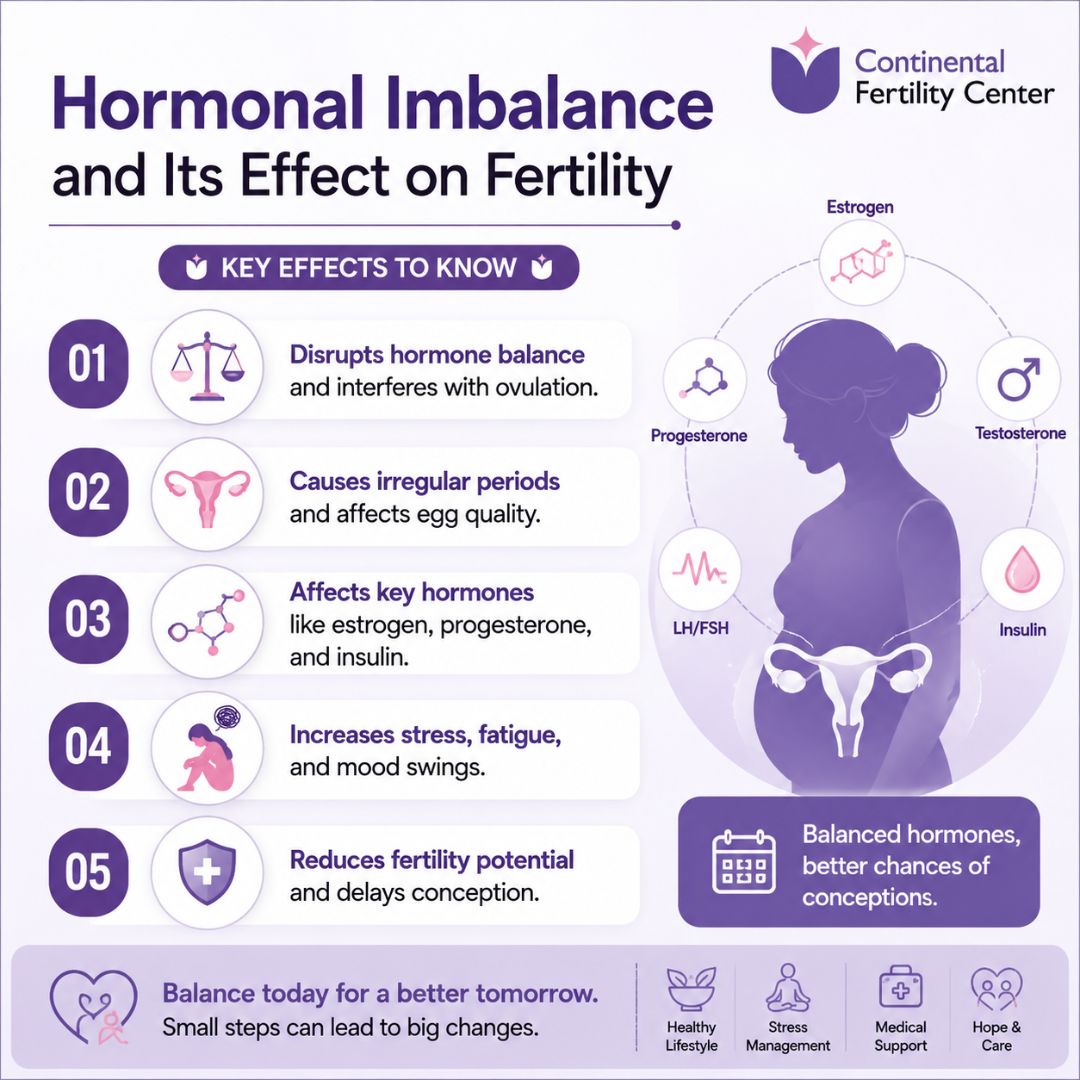
When we look closely at the hormones affecting fertility, several key players emerge. In women, estrogen helps develop and regulate the reproductive system, while progesterone prepares the lining of the uterus for a fertilized egg. Cultivating a healthy pregnancy requires these two elements to remain perfectly balanced.
Additionally, the pituitary gland releases follicle-stimulating hormone to trigger the growth of eggs in the ovaries and luteinizing hormone to trigger ovulation. In men, testosterone is the primary driver behind healthy sperm production and reproductive function. Even a minor fluctuation in any of these chemical signals can disrupt the entire cycle, leading to fertility hormone imbalance challenges.
How Hormonal Imbalance Infertility Occurs in Women
For women, the most common consequence of a hormonal shift is anovulation, a condition where the ovaries do not release an egg regularly. Without a mature egg, fertilization simply cannot occur. There are several distinct conditions linked to hormonal disorders and infertility in women.
Polycystic Ovary Syndrome (PCOS)
This is one of the most frequent causes of female infertility. Women with this condition produce slightly higher levels of male hormones, known as androgens. This excess prevents the fluid-filled sacs in the ovaries from developing fully, which stalls ovulation and creates irregular menstrual cycles.
Thyroid Disorders
The thyroid gland regulates the body's overall metabolism. An overactive thyroid or an underactive thyroid can directly interfere with ovulation. It can also increase the risk of early pregnancy loss if left unmanaged.
Hyperprolactinemia
The pituitary gland produces a hormone called prolactin, which typically stimulates milk production after childbirth. If a woman has high prolactin levels when she is not pregnant, it can suppress ovulation and cause her periods to become highly irregular or stop completely.
How Hormonal Imbalance Infertility Occurs in Men
It is a common misconception that reproductive health concerns belong solely to women. Infertility affects men just as frequently, and a male fertility hormone imbalance can significantly impair a couple's chances of conceiving.
In men, the brain must signal the testicles to produce testosterone and generate healthy sperm. If the pituitary gland or hypothalamus does not produce enough signaling hormones, testosterone levels drop sharply. This drop can result in a significantly lower sperm count, poor sperm movement, and abnormal sperm shape.
Additionally, elevated estrogen levels or thyroid dysfunction in men can lead to erectile dysfunction and reduced libido, making natural conception much more difficult to achieve. Treating infertility due to hormonal imbalance requires evaluating both partners to ensure an accurate diagnosis.
Identifying the Signs: When to Seek Medical Help
Because hormones influence multiple systems across the body, a disruption often leaves visible clues. Recognizing these signs early can help you seek expert guidance before frustration builds.
Common symptoms in women include:
- Irregular, absent, or unusually heavy menstrual periods
- Sudden weight gain that is difficult to manage with diet and exercise
- Unexplained acne breakouts or excess hair growth on the face and chest
- Thinning hair on the scalp
Common symptoms in men include:
- Changes in sexual desire or difficulty maintaining an erection
- Reduced muscle mass and increased body fat
- Persistent fatigue and unexplained mood shifts
- Swelling or tenderness in the breast tissue
If you notice these subtle changes alongside difficulty conceiving after a year of unprotected intercourse, or after six months if the woman is over thirty-five years old, it is time to consult a medical professional. Did you know that a simple blood test can often pinpoint the exact chemical messenger causing the delay? Identifying a fertility hormone imbalance early allows for targeted, highly effective medical care.
Advanced Solutions for Infertility due to Hormonal Imbalance
Receiving a diagnosis of hormonal imbalance infertility may feel overwhelming, but modern reproductive medicine offers excellent, highly targeted treatments to restore reproductive health.
Ovulation Induction Medications: For women who do not ovulate regularly due to conditions like PCOS, specialists can prescribe oral or injectable medications. These therapies gently stimulate the ovaries to develop and release a mature egg at the optimal time.
Thyroid Regulation: If an underactive or overactive thyroid is the root cause, daily medications can easily stabilize thyroid hormone levels, restoring regular menstrual cycles and supporting a healthy uterine environment.
Prolactin Management: Medications that mimic dopamine can successfully lower elevated prolactin levels, shrinking benign pituitary nodules if present and restoring normal ovulatory function.
Hormone Replacement for Men: Men experiencing low testosterone due to pituitary signaling issues can benefit from targeted hormone therapies that stimulate the testicles to produce normal levels of healthy, motile sperm.
Lifestyle and Metabolic Support: Incorporating a nutrient-dense diet, managing daily stress levels, and maintaining a healthy body mass index can dramatically improve insulin sensitivity, which naturally balances reproductive hormones.
Why Choose Continental Hospitals for Fertility Care?
When you are navigating the complexities of reproductive health, choosing the right medical institution is vital to your peace of mind and success. Continental Hospitals is widely recognized as the best hospital in Hyderabad for comprehensive fertility evaluations and personalized reproductive treatments.
Continental Hospitals is a premier multi-specialty healthcare institution dedicated to providing world-class clinical outcomes. The hospital proudly holds prestigious national and international accreditations, including the National Accreditation Board for Hospitals and Healthcare Providers (NABH) accreditation. This distinction ensures that every patient receives treatment under the highest benchmarks of clinical safety, hygiene, and ethical medical care.
The Continental Fertility Centre features advanced, highly sophisticated diagnostic laboratories capable of performing precise hormone assays and genetic testing. Backed by state-of-the-art embryology labs and a dedicated team of reproductive experts, the center ensures complete confidentiality, compassionate counseling, and customized treatment pathways. By treating the whole individual rather than just the symptoms, the hospital delivers an exceptional standard of care for couples aiming to build their families.
Conclusion
A hormonal imbalance and fertility challenges can feel like an invisible barrier on your path to parenthood, but they do not have to define your future. With precise diagnostic testing, lifestyle adjustments, and advanced medical therapies, the vast majority of hormonal disorders can be successfully managed, paving the way for a safe and healthy pregnancy.
If you suffer from irregular cycles, unexplained metabolic changes, or prolonged difficulties conceiving, taking the first step toward answers can change everything. Are you ready to regain control of your reproductive health? Partnering with an experienced medical team ensures you receive the correct diagnosis and a clear, evidence-based plan forward.
Book a consultation with our best fertility specialist in Hyderabad at Continental Hospitals today to receive expert guidance on your path to parenthood.
Related Blog Topics:
Frequently Asked Questions
Hormonal imbalance occurs when hormone levels in the body are too high or too low, affecting ovulation, sperm production, menstrual cycles, and overall reproductive health. It can make conception difficult for both men and women.
Yes, hormonal imbalance can disrupt ovulation and menstrual cycles, making it harder for women to conceive. Conditions like PCOS, thyroid disorders, and elevated prolactin levels are common hormonal causes of infertility.
Common symptoms include irregular periods, missed periods, acne, excessive hair growth, unexplained weight gain, fatigue, mood swings, low libido, and difficulty getting pregnant.
Polycystic Ovary Syndrome (PCOS) affects hormone levels and interferes with regular ovulation. Women with PCOS may experience irregular periods, ovarian cysts, and difficulty conceiving naturally.
Yes, both hypothyroidism and hyperthyroidism can affect reproductive hormones, menstrual cycles, and ovulation, increasing the risk of infertility and pregnancy complications.
Doctors diagnose hormonal imbalance through blood tests, hormone level assessments, ultrasound scans, ovulation tracking, and evaluation of menstrual and reproductive history.
Yes, maintaining a healthy weight, regular exercise, stress management, balanced nutrition, proper sleep, and avoiding smoking or alcohol can support hormonal balance and improve fertility outcomes.
Treatment options include hormone therapy, fertility medications, lifestyle modifications, thyroid treatment, PCOS management, ovulation induction, and assisted reproductive techniques such as IVF when needed.