
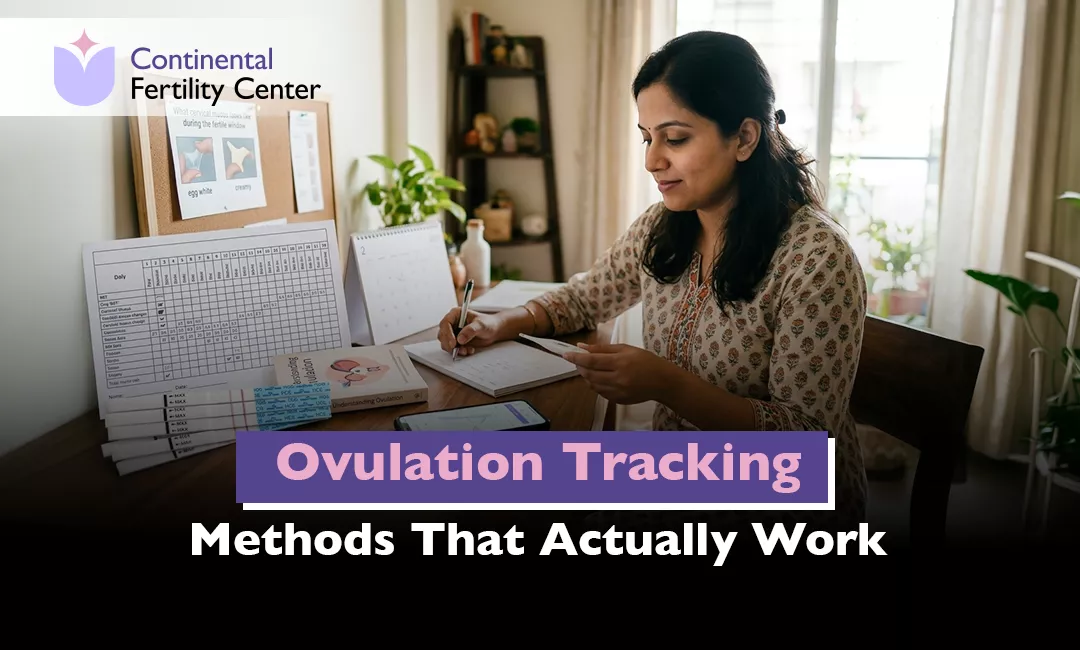
Ovulation Tracking: Methods That Actually Work
Understanding your body’s natural rhythm is the first step toward a successful pregnancy. For many, the journey to parenthood begins with a single question: When am I most fertile? The answer lies in ovulation tracking, a process that identifies the small window of time each month when an egg is released and can be fertilized.
While the concept sounds simple, the biological signs can be subtle. Identifying your fertile window accurately can significantly increase your chances of conceiving. This guide explores the most effective methods for tracking your cycle and explains why professional guidance remains the gold standard for reproductive health.
The Science of the Fertile Window
Before diving into the methods, it is essential to understand what happens during a typical menstrual cycle. Ovulation usually occurs midway through your cycle, but every woman is different. Sperm can live inside the female reproductive tract for up to five days, while an egg is only viable for about 12 to 24 hours after release. This means your "fertile window" spans about six days. By utilizing ovulation tracking, you ensure that you are timing intercourse to coincide with this peak period.
Best Ovulation Tracking Methods That Actually Work
There are several ways to monitor your cycle, ranging from manual observations to high-tech digital tools. Here are the most reliable techniques used today.
1. The Calendar Method
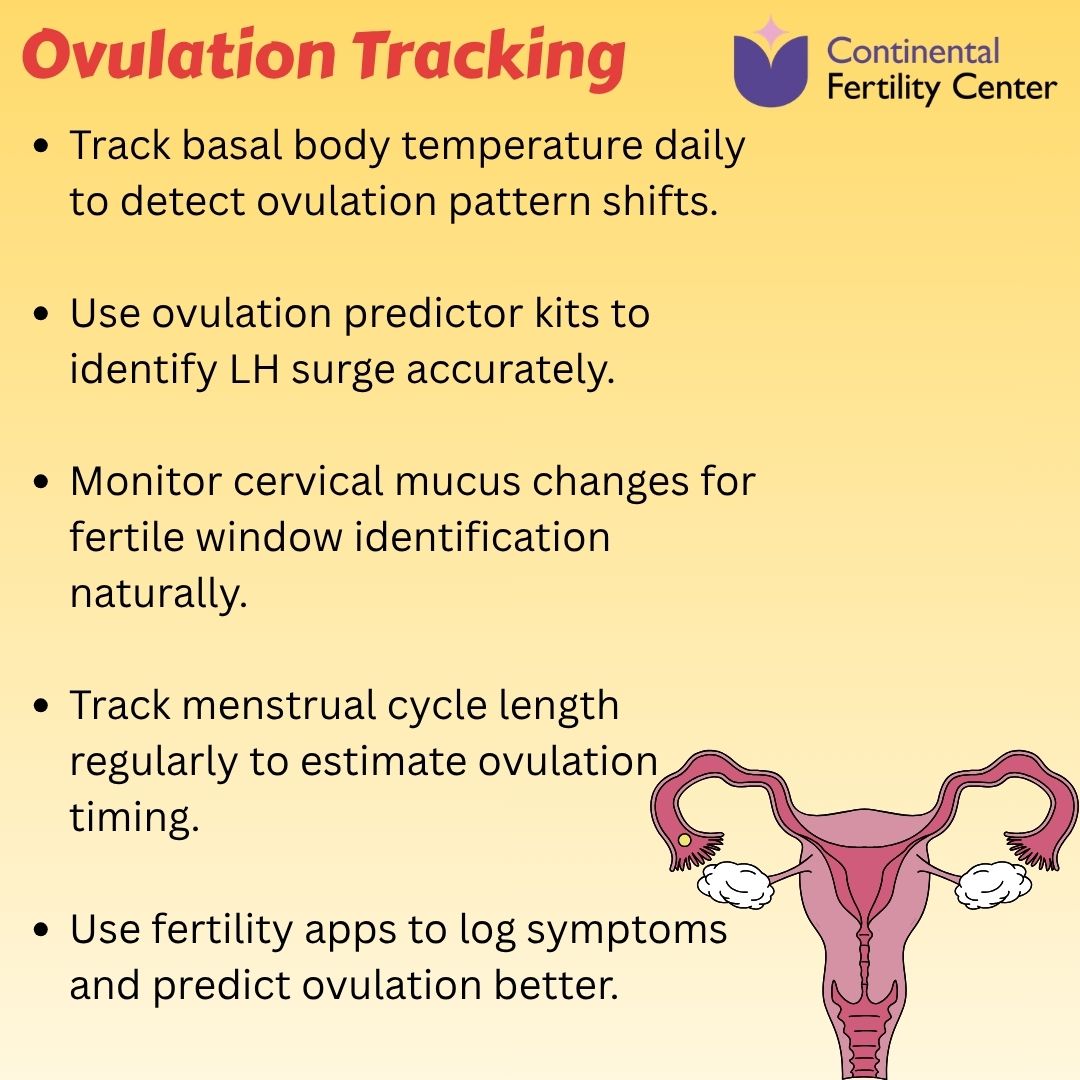
This is the most traditional form of ovulation tracking. It involves recording the first day of your period for several months to determine your average cycle length. If your cycle is a perfect 28 days, ovulation usually occurs on day 14. However, since many factors like stress or diet can shift your hormones, this method is best used in combination with others.
2. Monitoring Cervical Mucus
As you approach your fertile window, your body produces more estrogen, which changes the consistency of your cervical mucus.
- Early Cycle: Mucus may be dry or sticky.
- Approaching Ovulation: It becomes creamy or cloudy.
- During Peak Fertility: The mucus becomes clear, stretchy, and slippery, much like a raw egg white.
Learning how to track ovulation via physical changes is a cost-effective and highly accurate way to "see" your hormones in action.
3. Basal Body Temperature (BBT)
Your basal body temperature is your temperature when you are at complete rest. After ovulation, the hormone progesterone causes your body temperature to rise slightly. To use this method, you must take your temperature every morning before getting out of bed. A consistent rise of about 0.5 to 1 degree usually indicates that ovulation has already occurred. While it won't predict the window for that specific month, it helps you understand your patterns for the next.
4. Ovulation Predictor Kits (OPKs)
These kits are similar to pregnancy tests but measure luteinizing hormone (LH) in your urine. A surge in LH happens about 24 to 48 hours before an egg is released. This is often considered the best ovulation tracking method for those who want a clear "yes" or "no" answer.
5. Using an Ovulation Calculator
Digital tools and apps act as an ovulation calculator by taking the data from your previous cycles and predicting your future fertile window. These are excellent for organization, but they are most effective when you input your BBT or OPK results rather than just period dates.
Common Signs Your Body is Ovulating
Beyond the technical methods, your body often sends physical signals that it is ready for conception. Being aware of these can supplement your ovulation tracking efforts:
- Mild Pelvic Pain: Some women feel a slight twinge or cramp on one side of the lower abdomen, known as Mittelschmerz.
- Breast Tenderness: Hormonal shifts can make breasts feel sensitive.
- Increased Sense of Smell or Taste: Some women report heightened senses during their peak fertile window.
- Light Spotting: A small drop in estrogen before ovulation can sometimes cause very light spotting.
Why Professional Support Matters
While home-based fertile window tracking is a great starting point, it is not a substitute for clinical evaluation. Factors such as Polycystic Ovary Syndrome (PCOS), thyroid imbalances, or irregular cycles can make manual tracking difficult or misleading.
If you have been tracking your cycle for several months without success, it may be time to consult a specialist. Advanced diagnostics, such as follicular monitoring via ultrasound, provide a foolproof look at egg development that home kits simply cannot match.
Why Choose the Continental Fertility Center?
When it comes to reproductive health, Continental Fertility Centre stands out as a leader in the field. We understand that the path to parenthood can be filled with questions, and we are here to provide the answers.
Expertise and Technology
Continental Hospitals is widely recognized as the best hospital in Hyderabad, offering a dedicated fertility wing equipped with cutting-edge technology. Our specialists use advanced imaging and hormonal profiling to take the guesswork out of your cycle.
Accreditations and Standards
Our facility maintains the highest global standards in healthcare. Continental Hospitals is proud to be JCI (Joint Commission International) and NABH (National Accreditation Board for Hospitals & Healthcare Providers) accredited. These honors reflect our commitment to patient safety, clinical excellence, and ethical medical practices. When you choose us, you are choosing a facility that meets the same rigorous standards as the best hospitals in the world.
Comprehensive Care
We do not just look at numbers. we look at you as a whole person. Our approach integrates nutrition, stress management, and advanced medical intervention to ensure your body is in the best possible state for conception. Whether you need simple cycle monitoring or advanced assisted reproductive technologies, our team provides a seamless experience.
Conclusion
Mastering ovulation tracking gives you a sense of agency over your reproductive health. By combining the calendar method, physical observations, and modern tools like OPKs, you can identify your most fertile days with confidence. However, remember that every woman’s journey is unique. If your cycle is unpredictable or you find tracking to be a source of stress, professional help is available.
At Continental Fertility Centre, we specialize in turning the hope of a family into a reality. Our world-class infrastructure and compassionate experts ensure that you receive the best care possible in a supportive environment.
If you suffer from irregular cycles or hormonal imbalances or have concerns about your fertility window, schedule a consultation with our best fertility specialist in Hyderabad experts today.
Frequently Asked Questions
Ovulation tracking helps identify the most fertile days in a woman's menstrual cycle. It is important for increasing the chances of conception or avoiding pregnancy naturally.
The most effective methods include ovulation predictor kits (OPKs), basal body temperature tracking, cervical mucus monitoring, and fertility tracking apps.
OPKs detect the surge in luteinizing hormone (LH) in urine, which occurs 24–36 hours before ovulation, helping predict the fertile window.
Basal body temperature tracking is useful for confirming ovulation after it occurs, but it may not predict ovulation in advance as accurately as OPKs.
Cervical mucus changes throughout the cycle. During ovulation, it becomes clear, stretchy, and egg-white-like, indicating peak fertility.
Fertility apps can help estimate ovulation based on cycle data, but they are most accurate when combined with physical methods like OPKs or temperature tracking.
The fertile window typically lasts about 5–6 days, including the five days before ovulation and the day of ovulation.
You should begin tracking a few days after your period ends, especially if you have a regular cycle, to better identify ovulation patterns.