
Pre-eclampsia: What It Means for Mother and Baby, From Pregnancy to Future Heart Health
What is pre-eclampsia, and why should every pregnant woman know about it? Pre-eclampsia is a serious pregnancy complication associated with high blood pressure and signs that organs such as the kidneys or liver may be affected. It usually develops after 20 weeks of pregnancy, but it can also occur during the weeks after childbirth. Because pre-eclampsia can sometimes develop without obvious symptoms, regular antenatal checkups and blood pressure monitoring are important throughout pregnancy.
Why does pre-eclampsia matter beyond pregnancy? It can affect the health of both mother and baby, particularly when it becomes severe or develops early. It may increase the risk of complications such as restricted fetal growth, preterm birth, placental problems and, in severe cases, seizures or stroke. Importantly, a history of pre-eclampsia can also signal a higher risk of high blood pressure and cardiovascular disease later in life.
What are the signs of pre-eclampsia?
Can pre-eclampsia happen without symptoms? Yes. Some women may have high blood pressure or changes in urine tests without feeling unwell. This is one reason routine pregnancy appointments are essential.
What preeclampsia signs should you watch for?
- A headache that does not go away
- Changes in vision, such as blurred vision or seeing spots
- Swelling of the face or hands
- Pain in the upper abdomen or shoulder
- Nausea or vomiting during the second half of pregnancy
- Sudden weight gain
- Difficulty breathing
If these symptoms develop suddenly, particularly after 20 weeks of pregnancy or soon after delivery, contacting your obstetrician promptly is important.
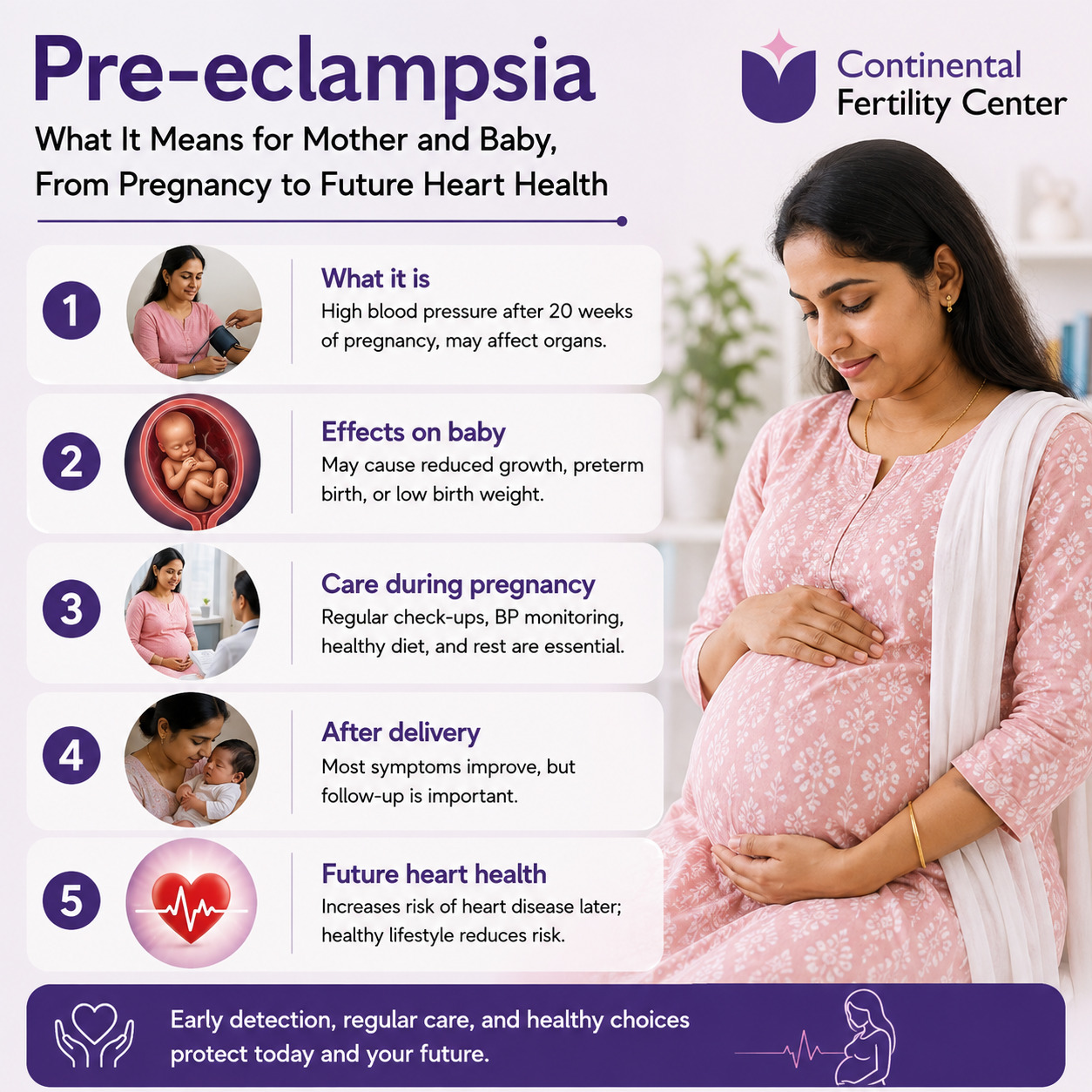
How is preeclampsia diagnosed during pregnancy?
How do doctors identify preeclampsia in pregnancy? Blood pressure measurement is usually one of the first steps. A reading of 140/90 mm Hg or higher is concerning and may require repeat measurements and further evaluation.
What tests may be needed?
- Blood pressure monitoring
- Urine testing for protein
- Blood tests to assess kidney and liver function
- Platelet count testing
- Fetal growth and well-being assessments when required
Doctors assess the complete clinical picture rather than relying on one symptom or test. Early diagnosis allows the pregnancy care team to determine the safest approach for both mother and baby.
How can pre-eclampsia affect the baby?
Can pre-eclampsia affect fetal growth? Yes. High blood pressure and problems associated with pre-eclampsia can affect blood flow to the placenta. This may limit the baby's supply of oxygen and nutrients and can contribute to restricted growth.
Can pre-eclampsia lead to early delivery? In some cases, yes. When the condition becomes severe or the health of the mother or baby is at risk, early delivery may be recommended. Babies born prematurely can need additional medical support, particularly if delivery occurs early in pregnancy.
Can pre-eclampsia affect the mother after delivery?
Does pre-eclampsia end immediately after childbirth? Not always. Pre-eclampsia can develop or continue during the weeks after delivery. This is why postpartum monitoring remains important, even after the baby is born.
Why should new symptoms after delivery not be ignored? A severe headache, vision changes, upper abdominal pain, swelling, or breathing difficulty can indicate a serious problem and should be assessed promptly.
Does pre-eclampsia increase future heart health risks?
Can pre-eclampsia affect heart health years later? Yes. Women with a history of pre-eclampsia have a higher long-term risk of high blood pressure and cardiovascular disease. The American Heart Association identifies pre-eclampsia and other pregnancy complications as important factors linked with future cardiovascular risk.
Does this mean every woman who has had pre-eclampsia will develop heart disease? No. A history of pre-eclampsia does not mean that heart disease is inevitable. Instead, it is an important health signal that encourages continued attention to blood pressure, cholesterol, blood sugar, physical activity, nutrition, and other cardiovascular risk factors.
What can women do after experiencing pre-eclampsia?
- Continue regular health checkups after pregnancy
- Monitor blood pressure when advised
- Maintain a balanced, nutritious diet
- Stay physically active according to medical advice
- Maintain a healthy weight
- Avoid smoking and tobacco exposure
- Discuss future pregnancy planning with a doctor
Recognizing the connection between pregnancy health and future heart health can help women take preventive steps earlier.
Can pre-eclampsia happen in a future pregnancy?
Does having pre-eclampsia once increase the chance of having it again? Yes. A previous history of pre-eclampsia is an important risk factor in a future pregnancy. Other factors can also increase risk, including chronic hypertension, kidney disease, diabetes, autoimmune conditions, and multiple pregnancies.
For women planning another pregnancy, what is the best approach? A preconception consultation can help identify existing health conditions, review previous pregnancy complications, and create an appropriate monitoring plan before and during the next pregnancy.
Why choose Continental Fertility Center for pregnancy care?
Why should women choose an experienced healthcare team for pregnancy monitoring? Pregnancy care requires regular assessment, timely investigations, and coordination between specialists when complications develop.
Continental Hospitals in Hyderabad is a JCI and NABH accredited multispecialty, tertiary, and quaternary care facility. Its official information also highlights QAI among its quality accreditations and recognitions. The hospital provides advanced diagnostic facilities, critical care support, and multidisciplinary medical expertise, which can be valuable when pregnancy requires specialized monitoring or coordinated care.
For women looking for the best hospital in Hyderabad for comprehensive pregnancy and maternal care, access to experienced specialists and advanced hospital infrastructure can support safer evaluation and timely management when complications arise.
When should you consult a doctor for pre-eclampsia?
What should you do if you are pregnant and notice a persistent headache, vision changes, sudden swelling, upper abdominal pain, or difficulty breathing? Do not ignore these symptoms or wait for the next routine appointment. Contact your obstetrician or seek urgent medical assessment, particularly if symptoms are severe or sudden.
If you are experiencing symptoms of pre-eclampsia, have high blood pressure during pregnancy, or have had pre-eclampsia in a previous pregnancy, consult our best fertility specialist in Hyderabad at Continental Fertility Center for personalized evaluation and pregnancy care.
Conclusion
Why is awareness of pre-eclampsia important? Because recognizing the condition early can help doctors protect maternal health, monitor the baby's well-being, and make timely decisions about pregnancy management. Pre-eclampsia is not only a pregnancy concern. It can also provide an important indication of future cardiovascular health.
Regular antenatal care, awareness of preeclampsia signs, appropriate monitoring, and long-term health follow-up can help women take informed steps for themselves and their families. If you have concerns about preeclampsia in pregnancy or future pregnancy planning, seeking guidance from an experienced obstetric care team can make an important difference.
Frequently Asked Questions
Pre-eclampsia is a pregnancy complication linked to high blood pressure. It usually develops after 20 weeks of pregnancy. It can also affect organs such as the kidneys and liver. Some women may have no clear symptoms at first. Regular antenatal check-ups can help detect it early. Warning signs may include severe headaches or vision changes. Swelling of the face or hands can also occur. Sudden weight gain may sometimes be a sign of fluid retention. Doctors may check blood pressure and urine protein levels. Blood tests may also be used to assess organ function. Early diagnosis can help reduce risks for the mother and baby. Treatment depends on the pregnancy stage and severity of the condition.
Pre-eclampsia can develop in any pregnancy. However, some women have a higher risk than others. A first pregnancy can increase the risk. A previous history of pre-eclampsia is another important risk factor. Multiple pregnancy, such as twins, can also increase the risk. High blood pressure before pregnancy may contribute to the risk. Certain kidney or autoimmune conditions can also be associated with higher risk. Diabetes may increase the likelihood of developing pre-eclampsia. Being significantly overweight before pregnancy can also be a risk factor. A family history of pre-eclampsia may play a role. Your doctor can assess your individual risk during early pregnancy. Regular monitoring is important when risk factors are present.
Pre-eclampsia may sometimes develop without obvious symptoms. High blood pressure may be detected during a routine pregnancy check-up. Severe or persistent headaches can be a warning sign. Blurred vision, flashing lights, or other vision changes may occur. Pain below the ribs or in the upper abdomen can also be concerning. Sudden swelling of the face or hands may occur. Rapid weight gain from fluid retention is another possible sign. Nausea or vomiting later in pregnancy may sometimes need evaluation. Shortness of breath can occur when fluid affects the lungs. Reduced urine output may indicate kidney involvement. These symptoms do not always mean pre-eclampsia. Prompt medical evaluation is important if unusual symptoms develop during pregnancy.
Pre-eclampsia can affect the baby's growth and development. High blood pressure can reduce blood flow through the placenta. This may limit the oxygen and nutrients reaching the baby. Some babies may grow more slowly than expected. Pre-eclampsia can increase the chance of premature delivery. Severe cases may require early delivery to protect both mother and baby. Doctors may monitor the baby's growth using ultrasound scans. Fetal movements and heart rate may also be assessed. Blood flow through the placenta may sometimes be checked. Close monitoring helps doctors identify signs that the baby may be struggling. The timing of delivery depends on the severity and pregnancy stage. With appropriate care, many women with pre-eclampsia have healthy babies.
Pre-eclampsia is associated with a higher risk of future cardiovascular problems. Women who experience it may have a greater chance of developing high blood pressure later in life. The risk of heart disease can also be higher. Stroke risk may also increase compared with women without pre-eclampsia. Pre-eclampsia can therefore be considered an important marker of future heart health. Having pre-eclampsia does not mean that heart disease will definitely develop. Healthy lifestyle habits can help lower long-term cardiovascular risk. Regular blood pressure checks are important after pregnancy. Cholesterol, blood sugar, weight, and other heart-health factors may also need attention. Staying physically active can support cardiovascular health. A balanced diet and avoiding smoking are also beneficial. Discuss your long-term heart health with your healthcare provider after pre-eclampsia.
Pre-eclampsia can occur again in a future pregnancy. However, having it once does not mean it will definitely happen again. The risk depends on factors such as when it developed and how severe it was. A history of severe or early pre-eclampsia may indicate a higher recurrence risk. Your doctor can review your previous pregnancy before planning another pregnancy. Early antenatal care can help identify risk factors. Blood pressure may be monitored more closely from the beginning. Some women at increased risk may be advised to take low-dose aspirin. This should only be taken when recommended by a qualified healthcare professional. Healthy weight, physical activity, and good control of existing conditions can also help. Preconception counselling can be useful before trying to conceive again. Close monitoring can help detect problems early in the next pregnancy.
Treatment depends on how severe the condition is and how far the pregnancy has progressed. Regular blood pressure monitoring is usually important. Doctors may recommend medicines to control high blood pressure. Additional tests may be used to check kidney and liver function. Urine tests can help monitor protein levels. The baby's growth and wellbeing may also be monitored regularly. In some cases, hospital observation may be recommended. Severe pre-eclampsia may require medicines to reduce the risk of seizures. Doctors may recommend delivery when continuing the pregnancy becomes unsafe. Delivery is the only definitive way to end pre-eclampsia. The timing depends on the health of the mother and baby. Treatment aims to protect both while allowing the pregnancy to continue safely when possible.
Seek medical advice if you develop symptoms that could indicate pre-eclampsia. A severe or persistent headache should not be ignored during pregnancy. Vision changes such as blurring or flashing lights need prompt assessment. Severe pain in the upper abdomen or below the ribs can also be concerning. Sudden swelling of the face or hands should be discussed with your doctor. Significant shortness of breath may require urgent evaluation. Reduced fetal movements should also be reported promptly. A sudden rise in blood pressure needs medical attention. Regular antenatal appointments are important even when you feel well. Pre-eclampsia can sometimes occur without noticeable symptoms. Early assessment can help doctors protect both mother and baby. If symptoms are severe or sudden, seek urgent medical care rather than waiting for a routine appointment.