

What Are Uterine Fibroids? Causes, Symptoms, Diagnosis and Treatment
Uterine fibroids are benign, typically painless lumps that develop in or around the uterus. Women in their childbearing years may experience these growths, which may vary in number, size, and site. Some women with uterine fibroids will not notice any symptoms while others may suffer heavy bleeding, abdominal pain, or infertility problems.
Learning about fibroids in the uterus or the causes, symptoms, diagnosis, and treatment options associated with them will assist women in recognizing when they need medical advice regarding inner fibroids. In most cases, women are able to manage their uterine fibroids effectively after undergoing the necessary diagnosis.
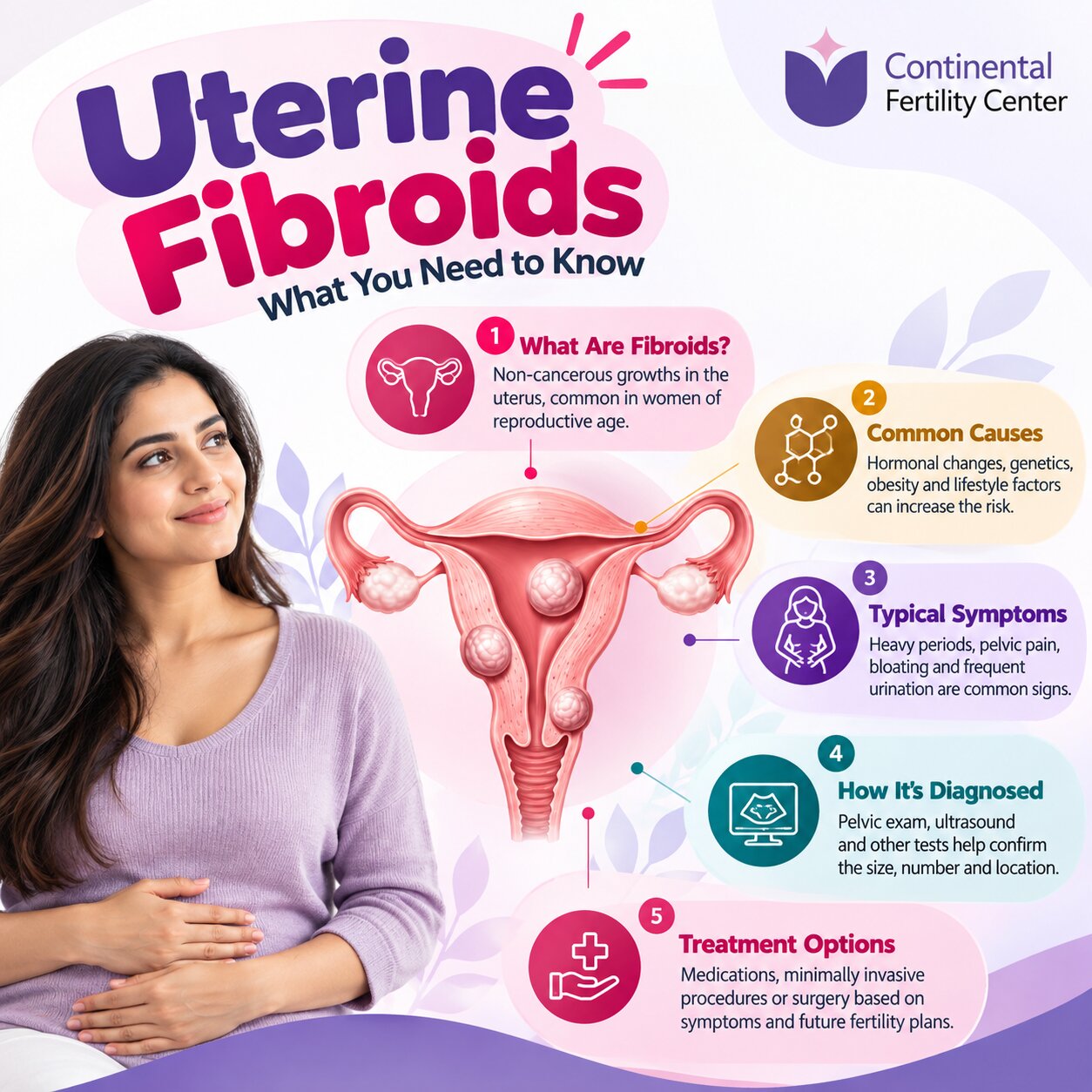
What Are Uterine Fibroids?
Uterine fibroids refer to growths that arise from the muscular tissue of the uterus. They can develop inside the uterine cavity, on the uterine wall, or on the outside surface of the uterus.
Fibroids are usually benign, which means that they are not cancerous. Their effect over a woman can depend on their size, the position of the fibroids, and the number of fibroids.
What Are The Causes Of Uterine Fibroids?
The causes of uterine fibroids remain unclear. However, hormones and genetic characteristics may play a crucial role.
The development of fibroids may depend on:
- Activity of estrogen and progesterone
- Family history of fibroids
- Age of reproduction
- Genetic changes of uterine cells
- Reproductive and hormonal characteristics of a woman
The presence of one risk factor or many of them in a woman doesn’t mean that this woman will have fibroids.
What are the signs of uterine fibroids?
In some instances, women may develop fibroids without any symptoms. However, when symptoms appear, they will depend on the size and position of the fibroid.
Recognizable symptoms of uterine fibroids include:
- Heavy and/or prolonged menstruation
- Pelvic pain or discomfort
- Painful menstruation
- Abdominal/back pain
- Frequent urges to urinate because of the pressure a fibroid puts on the bladder
- Bowel pressure or constipation
- Pain during sex
- Swelling of the abdomen
- Difficulties conceiving in some cases
Heavy menstrual bleeding may lead to anemia, particularly if it occurs over an extended period of time without proper treatment.
Can Uterine Fibroids Cause Infertility?
There are women with uterine fibroids who do not experience any fertility issues, but certain types of fibroids can affect infertility depending on where they are formed and their size.
Fibroids can change the shape of the uterine cavity and can prevent implantation, and they can be related to certain complications during pregnancy.
If you are trying to conceive with symptoms or a history of uterine fibroids, you should consult a specialist to check if you need a treatment before conception.
What tests can be done to diagnose fibroids?
Diagnosis starts by taking a medical history and conducting a pelvic exam. The physician may suggest imaging procedures that can offer an idea about the size, number, and location of the fibroids.
Some common diagnosing methods are:
- Pelvic ultrasound
- Transvaginal ultrasound
- MRI in cases of the need for detailed imaging
- Hysteroscopy in special cases
Which Treatment Is Used for Uterine Fibroids?
Not all fibroids need to be treated. If fibroids are small and not showing any symptoms, treatment may not be necessary.
When treatment is necessary, there are several treatment options:
- Medications to manage heavy bleeding or pain
- Hormonal therapies for certain patients
- Non-surgical treatments
- Hysteroscopic removal of applicable fibroids that are situated inside the uterine cavity
- Myomectomy to extract fibroids while preserving the uterus
- Other options are based on the patient's age, symptoms, location of fibroids, and desire to become pregnant.
It is critical to tailor uterine fibroid treatment to meet the needs of each patient, especially for women who want to get pregnant.
When Is It Time to Consult a Medical Expert on Fibroids?
If you experience the following symptoms, you should see a doctor:
- Excessively heavy or prolonged menstrual periods
- Chronic pelvic discomfort or pressure
- Abdominal swelling without a clear cause
- Increased urination due to pelvic pressure
- Problems getting pregnant
- Recurring problems associated with pregnancy
- Signs that disrupt your daily life
Getting checked early on allows for the effective identification of the cause of your symptoms and the need for intervention, if any is necessary.
What makes Continental Fertility Center the right choice?
Continental Fertility Center specializes in fertility treatments and evaluations provided by a team of medical professionals. The center is focused on gaining a comprehensive understanding of a patient’s reproductive health and preparing a treatment plan customized for each patient.
Continental hospitals respect patient safety and quality standards and are JCI and NABH accredited. Accreditations represent adherence to the guidelines set for clinical care and patient safety.
Thanks to fertility specialists and gynecologists, women suffering from uterine fibroids and seeking help will receive all necessary services, including diagnosis and medical assistance in making decisions on their treatment.
Conclusion
Uterine fibroids are common benign growths that may or may not cause symptoms. Heavy menstrual bleeding, pelvic pressure, pain, urinary symptoms, and fertility concerns can sometimes be associated with fibroids.
If you are experiencing fibroid symptoms or have been diagnosed with fibroids, the right treatment depends on the size, number, and location of the fibroids, your symptoms, and your future pregnancy plans.
If you are suffering from heavy periods, pelvic discomfort, fertility concerns, or other possible fibroid symptoms, consult our best fertility specialist in Hyderabad at Continental Fertility Center for proper evaluation and personalized treatment guidance.
Related Blogs:
Frequently Asked Questions
Uterine fibroids are non-cancerous growths that develop in the uterus. They are also called leiomyomas or myomas. Fibroids can vary greatly in size and number. Some women may have a single fibroid, while others have several. They can develop within the uterine wall or on its surface. Fibroids may also grow toward the inside of the uterus. Many fibroids do not cause noticeable symptoms. Others can cause heavy menstrual bleeding or pelvic discomfort. Fibroids may sometimes affect fertility or pregnancy. Their growth is influenced by hormones such as estrogen and progesterone. Fibroids are common during the reproductive years. A doctor can diagnose fibroids using imaging tests. Treatment depends on symptoms, fibroid size, location and reproductive plans.
The exact cause of uterine fibroids is not fully understood. Hormonal factors appear to play an important role in their growth. Estrogen and progesterone can influence fibroid development. Genetic changes in uterine muscle cells may also contribute. A family history of fibroids can increase the likelihood of developing them. Age and reproductive factors may influence fibroid risk. Being overweight may also be associated with a higher risk. Certain dietary and lifestyle factors are being studied. However, fibroids cannot always be linked to one specific cause. They are not caused by sexual activity or poor personal hygiene. Fibroids are usually benign and are not considered cancerous growths. Risk factors can vary from one woman to another. A gynecologist can assess individual risk factors and symptoms.
Some women with fibroids may not experience any symptoms. Symptoms often depend on the size and location of the fibroids. Heavy or prolonged menstrual bleeding is a common symptom. Some women may experience painful menstrual periods. Pelvic pressure or a feeling of fullness can also occur. Fibroids may cause frequent urination when they press on the bladder. Constipation can occur when larger fibroids press on the bowel. Lower back pain or pelvic discomfort may develop in some cases. Pain during sexual intercourse can also occur. Some women may experience abdominal enlargement or swelling. Fibroids can sometimes contribute to difficulty becoming pregnant. Symptoms may become more noticeable as fibroids grow. A gynecological evaluation can help identify the underlying cause.
A doctor usually begins with a detailed medical and menstrual history. A pelvic examination may help identify changes in the uterus. Ultrasound is commonly used to detect uterine fibroids. It can show the size and location of fibroids. Transvaginal ultrasound may provide more detailed images of the uterus. MRI may be recommended when additional information is needed. MRI can provide detailed information about fibroid size and location. Blood tests may be suggested when heavy bleeding causes anemia. In some cases, additional tests may be needed to assess the uterine cavity. The diagnosis depends on symptoms and examination findings. The number, size and location of fibroids help guide treatment decisions. A gynecologist can recommend the most suitable diagnostic approach. Early evaluation can help manage symptoms effectively.
Uterine fibroids do not always affect fertility. Their impact depends mainly on their size and location. Fibroids that change the shape of the uterine cavity may have a greater effect. Some fibroids can interfere with embryo implantation. They may also affect the movement of sperm or embryos through the reproductive tract. Large fibroids may sometimes distort the uterus. Fibroids can also be associated with certain pregnancy complications. However, many women with fibroids become pregnant without treatment. Fertility concerns should be evaluated on an individual basis. Other causes of infertility should also be considered. A fertility specialist may recommend imaging before treatment. Treatment decisions depend on symptoms, fertility goals and fibroid characteristics. Removing a fibroid is not necessary for every woman trying to conceive. A specialist can explain the potential benefits and risks of treatment.
Yes, uterine fibroids can cause heavy or prolonged menstrual bleeding. Fibroids located near the uterine cavity may be particularly associated with heavy periods. Heavy bleeding can sometimes lead to iron-deficiency anemia. Anemia may cause tiredness, weakness or shortness of breath. Some women may also experience menstrual cramps or pelvic discomfort. The amount of bleeding can vary between individuals. Heavy periods should not automatically be attributed to fibroids. Other conditions can also cause abnormal uterine bleeding. A gynecologist can determine the underlying cause through evaluation. Ultrasound may be used to identify fibroids and other uterine changes. Treatment depends on the severity of symptoms and the woman's health goals. Medicines may help control bleeding in some patients. Procedures or surgery may be considered when symptoms are severe or persistent.
Treatment for uterine fibroids depends on symptoms and individual circumstances. Small fibroids without symptoms may only require regular monitoring. Medicines can sometimes help manage heavy bleeding or pain. Hormonal treatments may be used to control certain symptoms. Some treatments can temporarily reduce fibroid size or bleeding. Minimally invasive procedures may be suitable for selected patients. Uterine artery embolization is one procedure used to reduce blood supply to fibroids. Myomectomy removes fibroids while preserving the uterus. Hysterectomy involves removing the uterus and provides a permanent solution. The choice of treatment depends on fibroid size and location. Future pregnancy plans are also important when selecting treatment. A gynecologist can discuss the benefits and possible risks of each option. Treatment should be personalized rather than based only on fibroid size.
Some uterine fibroids may shrink naturally over time. Fibroids often become smaller after menopause when hormone levels decline. However, fibroids do not always disappear completely without treatment. The size of a fibroid can change during different stages of life. Pregnancy-related hormonal changes may also influence fibroid growth. Some small fibroids may remain stable for many years. Lifestyle changes cannot reliably eliminate existing fibroids. A healthy weight and balanced diet can support overall health. They should not be considered a replacement for medical treatment. Women with symptoms may need evaluation and appropriate management. Regular monitoring may be suitable when fibroids cause no significant problems. Treatment may be recommended when symptoms affect daily life. A gynecologist can determine whether observation or treatment is appropriate.
You should consult a doctor if you have unusually heavy menstrual bleeding. Persistent pelvic pain or pressure should also be evaluated. Frequent urination or bowel problems may sometimes be related to fibroids. See a doctor if your periods become longer or more painful than usual. Unexplained abdominal enlargement should also be assessed. Symptoms of anemia, such as weakness or unusual tiredness, need medical attention. Difficulty becoming pregnant may require a fertility evaluation. A gynecologist can determine whether fibroids are contributing to your symptoms. Imaging tests can help identify the size and location of fibroids. Not every fibroid requires immediate treatment. Your doctor may recommend monitoring when symptoms are mild. Treatment options can be discussed if symptoms become troublesome. Early evaluation can help you understand the available management options.