

Can Obesity Affect Male Fertility?
When couples face difficulties while trying to conceive, the initial focus often turns toward female reproductive health. However, reproductive health is a shared responsibility, and male fertility plays an equally important role in the journey to parenthood. Emerging medical research highlights that a man's body weight and lifestyle choices significantly influence his reproductive health. Specifically, the relationship between obesity and male fertility has become a major focus for fertility specialists worldwide.
Understanding how excess body weight impacts the reproductive system is vital for couples facing male infertility. Many men are unaware that carrying excess weight can alter underlying biological mechanisms, leading to a decline in reproductive capacity. This guide addresses the common queries regarding how weight affects reproductive health, the underlying biological reasons behind this connection, and the clinical solutions available to restore hormonal balance.
Is it possible to reverse these reproductive challenges through lifestyle modifications or targeted medical care? By exploring the deep connection between metabolic health and reproductive function, men can take proactive control of their reproductive future. Let us dive into the core questions surrounding obesity and male fertility to understand how excess weight impacts the body and what can be done to improve your chances of conceiving.
How Does Obesity Cause Male Infertility?
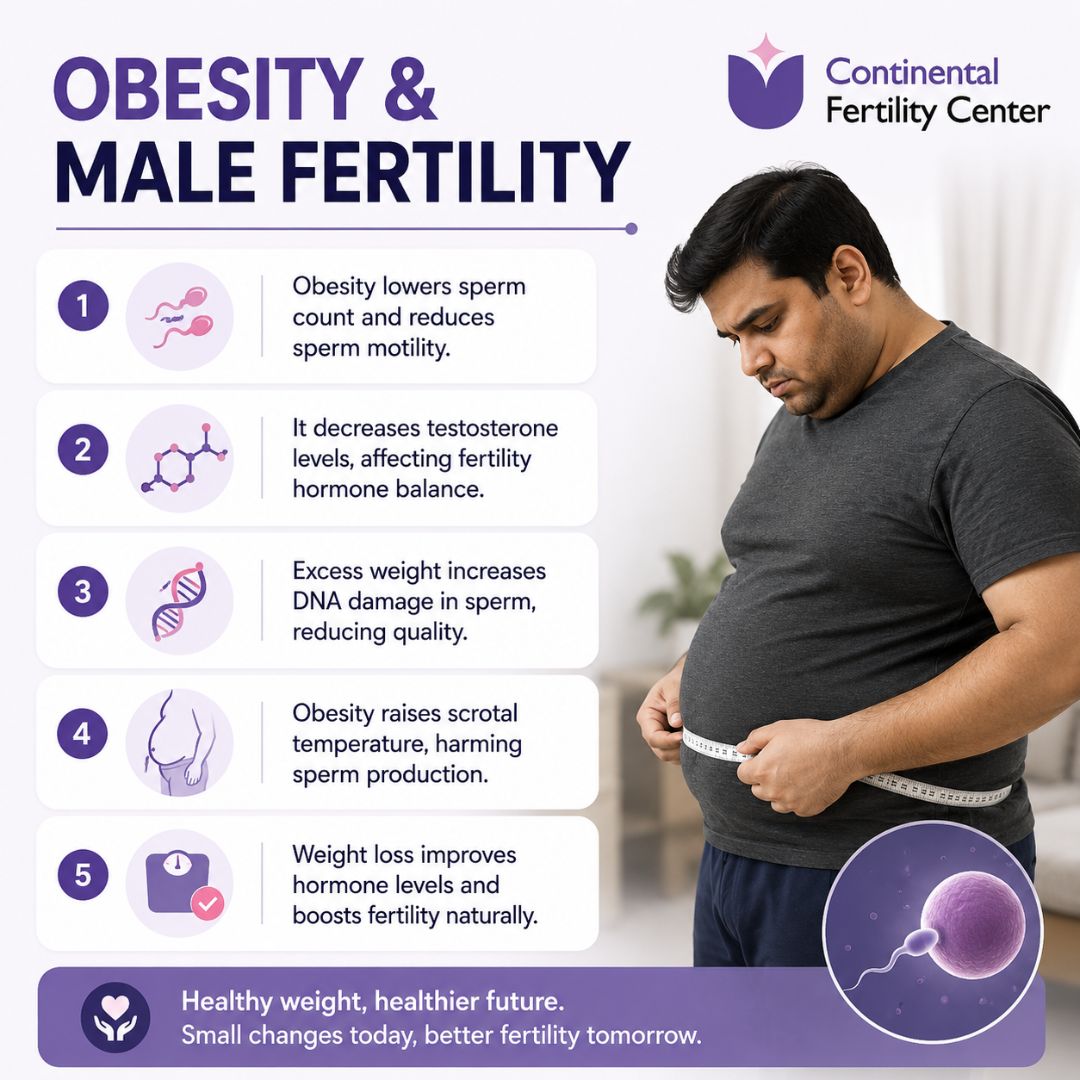
How exactly does carrying excess weight translate into a drop in a man's reproductive potential? The link between obesity and male fertility involves a complex interplay of hormonal, physical, and cellular changes in the body.
- Hormonal Disruption: Fat tissue is not just stored energy; it is an active endocrine organ. Excess fat contains high levels of an enzyme called aromatase, which converts testosterone into estrogen. This leads to reduced testosterone levels and elevated estrogen levels, which suppresses the signals from the brain that tell the testicles to produce new cells.
- Elevated Scrotal Temperature: To produce healthy, functional cells, the testicles must remain a few degrees cooler than the rest of the body. Excess fat tissue in the lower abdomen and thigh regions insulates the groin area, causing increased scrotal temperature that impairs the production and quality of reproductive cells.
- Increased Oxidative Stress: Obesity triggers systemic inflammation and oxidative stress within the reproductive tract. This cellular stress damages the structural integrity and genetic material carried by the male reproductive cells.
What Are the Key Biological Effects of Overweight and Male Fertility?
What specific parameters change when examining the connection between being overweight and male fertility? Clinical evaluations of men struggling with obesity and infertility usually reveal specific changes in reproductive parameters.
Reduced Concentration and Total Count
Medical studies show that men with a higher body mass index are significantly more likely to experience a low reproductive cell concentration. The hormonal imbalances caused by excess weight directly slow down the production cycle, reducing the overall volume of viable cells available.
Poor Cell Motility
Motility refers to the ability of cells to swim effectively toward an egg. Due to the high levels of oxidative stress and altered seminal fluid composition in men with obesity, the overall motility of the cells drops, making it much harder for them to achieve natural fertilization.
Altered Cell Shape and Structure
Abnormal cell structure, known as poor morphology, is more common in men dealing with obesity. When the shape or size is altered, the cell struggles to penetrate the outer layer of the female egg.
Increased Genetic Damage
Did you know that excess weight can cause microscopic damage to the genetic material inside the cell? This phenomenon, known as high DNA fragmentation, is frequently observed in cases of obesity and male fertility issues. Increased genetic damage can lead to fertilization failure or a higher risk of early pregnancy loss.
What are the practical male fertility tips for weight management?
What can men do right now to counter the negative impacts of obesity and male fertility problems? The encouraging news is that many of the reproductive issues linked to being overweight are highly treatable and often reversible with targeted lifestyle changes.
- Adopt a Nutrient-Rich Diet: Focus on consuming whole foods, lean proteins, vegetables, and foods rich in antioxidants like vitamins C and E to combat oxidative stress in the reproductive tract.
- Incorporate Regular Moderate Exercise: Engaging in regular physical activity helps burn excess fat, reduces aromatase activity, and naturally boosts testosterone production. Avoid overly strenuous or exhaustive workouts, as moderate, consistent exercise yields the best results for reproductive health.
- Prioritize Restorative Sleep: Chronic lack of sleep alters hormone regulation and increases cortisol levels, which further suppresses testosterone production. Aim for seven to eight hours of quality sleep each night.
- Limit Toxins and Heat Exposure: Avoid smoking, excessive alcohol consumption, and exposure to high-heat environments like saunas or hot tubs, which can compound the physical damage caused by excess body weight.
Why Choose Continental Fertility Center for Male Infertility Treatment?
When addressing complex reproductive challenges, why is choosing the right healthcare institution a critical step for your family? Continental Hospitals is widely recognized as the best hospital in Hyderabad for advanced reproductive care, offering comprehensive diagnostic and treatment solutions under one roof.
Continental Hospitals holds prestigious national and international accreditations, including the National Accreditation Board for Hospitals & Healthcare Providers (NABH) accreditation. These accreditations guarantee that the hospital operates under the highest benchmarks of patient safety, clinical quality, and stringent ethical guidelines.
The Continental Fertility Center features a state-of-the-art embryology laboratory, advanced diagnostic tools, and highly sophisticated reproductive technologies designed to manage severe male factor infertility. Our multi-disciplinary team of experts works closely with nutritionists, endocrinologists, and urologists to provide a holistic, personalized treatment plan that addresses the root lifestyle and medical causes of infertility, ensuring the highest standards of clinical excellence and patient privacy.
Conclusion
The evidence surrounding obesity and male fertility clearly indicates that maintaining a healthy body weight is essential for optimal reproductive function. Excess fat tissue disrupts hormones, raises scrotal temperatures, and causes cellular damage that directly impairs reproductive parameters. Fortunately, through a combination of dedicated lifestyle adjustments, medical management, and advanced reproductive technologies, these challenges can be effectively overcome.
If you suffer from reproductive difficulties or suspect that excess weight is affecting your family planning goals, taking timely action is key to achieving a successful outcome.
Book a consultation with our best infertility specialist in Hyderabad at Continental Fertility Centre today to receive a personalized evaluation and start your journey toward parenthood.
Related Blog Topics:
Frequently Asked Questions
Yes, obesity can significantly affect male fertility. Excess body fat can disrupt hormone production, leading to lower testosterone levels and increased estrogen levels. These hormonal changes may reduce sperm production and impair sperm development. Obesity is also associated with decreased sperm concentration, lower motility, and abnormal sperm morphology. In addition, increased fat tissue can raise scrotal temperature, which may negatively affect sperm health. Chronic inflammation and oxidative stress linked to obesity can further damage sperm DNA. Men with obesity are also more likely to experience erectile dysfunction and reduced sexual performance. Metabolic conditions such as insulin resistance and type 2 diabetes may contribute to fertility challenges. Studies suggest that obesity can lower the chances of natural conception. However, fertility may improve with weight loss and healthy lifestyle changes. A balanced diet, regular exercise, and medical guidance can help restore reproductive health. Early intervention often provides the best outcomes for men concerned about fertility.
Obesity can negatively influence several aspects of sperm quality. Men with excess body weight often experience reduced sperm count, lower sperm concentration, and impaired motility. Sperm morphology, which refers to the shape and structure of sperm cells, may also be affected. Increased oxidative stress caused by obesity can damage sperm membranes and DNA, reducing their ability to fertilize an egg. Hormonal imbalances associated with obesity may interfere with the process of sperm production in the testes. Excess fat can also increase inflammation throughout the body, creating an unfavorable environment for reproductive health. Research has shown a correlation between higher body mass index and poorer semen parameters. These effects may vary among individuals but can contribute to fertility difficulties. Fortunately, improvements in diet and physical activity may help enhance sperm quality. Maintaining a healthy weight is considered an important factor in supporting male reproductive function. Regular medical evaluations can help identify and address underlying issues. Comprehensive fertility testing may provide a clearer understanding of sperm health.
Obesity can alter the balance of hormones that are essential for male fertility. Excess fat tissue increases the conversion of testosterone into estrogen through an enzyme called aromatase. As estrogen levels rise, testosterone levels may decline, affecting sperm production and sexual health. Lower testosterone can lead to reduced libido, fatigue, and impaired reproductive function. Obesity may also disrupt signals from the brain that regulate hormone release from the testes. Changes in luteinizing hormone and follicle-stimulating hormone levels can further interfere with fertility. Insulin resistance, commonly associated with obesity, may contribute to additional hormonal disturbances. These hormonal imbalances can make it more difficult for the body to produce healthy sperm. Over time, fertility potential may decrease if the underlying issues remain unaddressed. Weight management can help restore healthier hormone levels in many men. Medical evaluation may be necessary to assess hormonal status and fertility risks. Addressing obesity-related hormonal changes often supports overall reproductive well-being.
Yes, obesity is a well-known risk factor for erectile dysfunction, which can indirectly affect fertility. Excess body weight can damage blood vessels and impair circulation, making it more difficult to achieve or maintain an erection. Obesity is also linked to lower testosterone levels, which may reduce sexual desire and performance. Conditions commonly associated with obesity, such as diabetes and hypertension, can further contribute to erectile difficulties. Chronic inflammation and metabolic dysfunction may negatively affect vascular health. Psychological factors, including low self-esteem and depression, can also play a role. Erectile dysfunction can reduce the frequency of successful intercourse, making conception more challenging. Research indicates that men with obesity have a higher likelihood of experiencing sexual health issues. Lifestyle modifications such as weight loss and regular exercise can improve erectile function. Medical treatments may also be available when needed. Addressing obesity often benefits both sexual and reproductive health. Seeking professional guidance can help identify effective treatment options.
Weight loss may have a positive impact on male fertility, especially for men with obesity-related reproductive issues. Reducing excess body fat can help restore healthier hormone levels, including improved testosterone production. Weight management may also lower inflammation and oxidative stress that can damage sperm cells. Some studies have reported improvements in sperm concentration, motility, and overall semen quality following weight loss. Better metabolic health can enhance reproductive function and sexual performance. Regular exercise and balanced nutrition are key components of a successful weight-loss strategy. Even modest weight reduction may provide measurable fertility benefits. In addition to improving fertility, weight loss can reduce the risk of diabetes, cardiovascular disease, and other health conditions. Men planning to conceive may benefit from adopting healthier lifestyle habits well before trying for pregnancy. Individual results can vary depending on overall health and underlying conditions. Consultation with healthcare providers can help create a personalized plan. Sustainable lifestyle changes are generally more effective than rapid weight-loss approaches.
Obesity may influence the outcomes of assisted reproductive treatments such as IVF and ICSI. Poor sperm quality associated with obesity can affect fertilization rates and embryo development. Increased sperm DNA fragmentation may reduce the likelihood of successful pregnancy outcomes. Hormonal imbalances can also contribute to reproductive challenges during fertility treatment. Although assisted reproductive technologies can overcome some barriers, obesity-related factors may still impact success rates. Some fertility specialists recommend weight management before beginning treatment. Improving overall health may enhance both sperm quality and treatment effectiveness. Obesity can also increase the risk of certain medical complications that may affect fertility care. A comprehensive fertility evaluation can help identify specific concerns related to body weight. Individual outcomes vary depending on age, health status, and fertility factors. Collaborative care involving fertility experts and healthcare providers may be beneficial. Taking steps to improve metabolic health can support better reproductive outcomes.
Several lifestyle changes can support fertility improvement in men with obesity. Adopting a balanced diet rich in fruits, vegetables, whole grains, and lean proteins can promote healthy weight management. Regular physical activity helps improve metabolism, hormone balance, and cardiovascular health. Avoiding smoking and limiting alcohol consumption may further enhance reproductive function. Managing stress is important because chronic stress can negatively affect hormone levels and fertility. Adequate sleep also plays a role in maintaining healthy testosterone production. Staying hydrated and reducing consumption of highly processed foods may support overall well-being. Men should work with healthcare professionals to address conditions such as diabetes or hypertension. Routine medical checkups can help monitor progress and identify additional concerns. Fertility specialists may recommend specific tests to evaluate reproductive health. Consistent lifestyle improvements often provide long-term benefits beyond fertility. A proactive approach can increase the likelihood of achieving reproductive goals.
An obese man should consider seeking medical advice if conception has not occurred after a year of regular unprotected intercourse, or after six months if the partner is older than 35. Early evaluation may be beneficial when symptoms such as low libido, erectile dysfunction, or hormonal concerns are present. A healthcare provider can assess overall health, hormone levels, and semen quality. Identifying obesity-related factors early may improve treatment outcomes. Fertility assessments often include physical examinations, blood tests, and semen analysis. Underlying conditions such as diabetes, sleep apnea, or metabolic syndrome may also be evaluated. Addressing these health issues can positively influence fertility. Specialists can recommend personalized lifestyle changes, medications, or fertility treatments if needed. Timely intervention may increase the chances of successful conception. Men should not ignore reproductive symptoms or assume fertility problems will resolve on their own. Professional guidance can provide clarity and effective treatment options. Comprehensive care supports both reproductive and long-term health goals.