
Genetic Screening Before IVF: Is It Necessary?
The journey to parenthood through assisted reproductive technology is filled with hope, anticipation, and critical decisions. For many couples navigating fertility challenges, In Vitro Fertilization, or IVF, offers a powerful path forward to build a family. However, as medical technology advances, prospective parents are often presented with additional diagnostic options to optimize their chances of a successful pregnancy. One of the most important options available today is genetic screening before the embryo transfer stage.
Understanding whether genetic screening is necessary requires a look into how chromosomal health impacts pregnancy success. Many couples experience unexplained infertility or recurrent miscarriages, which can often be traced back to underlying genetic abnormalities in the embryo. By evaluating the genetic health of embryos before implantation, modern reproductive medicine helps fertility specialists select the healthiest embryos, thereby increasing the likelihood of a healthy live birth.
What Is Genetic Screening in IVF?
Genetic screening in the context of IVF refers to highly specialized laboratory procedures used to analyze the chromosomes or specific genes of an embryo. This testing is performed on a few cells safely removed from the embryo during the blastocyst stage of development. The primary goal is to ensure that only embryos with a normal complement of chromosomes are selected for transfer into the uterus.
Within the fertility clinic, this process is generally categorized into specific types of testing:
Preimplantation Genetic Testing for Aneuploidies or PGT-A: This checks for the correct number of chromosomes, helping to identify abnormalities like Down syndrome or conditions that lead to failed implantation.
Preimplantation Genetic Testing for Monogenic Defects or PGT-M: This looks for specific single-gene disorders, such as cystic fibrosis or sickle cell anemia, especially if parents are known carriers.
Preimplantation Genetic Testing for Structural Rearrangements or PGT-SR: This screens for structural issues in the chromosomes that might cause recurrent miscarriages.
Why Is Genetic Screening Crucial for IVF Success?
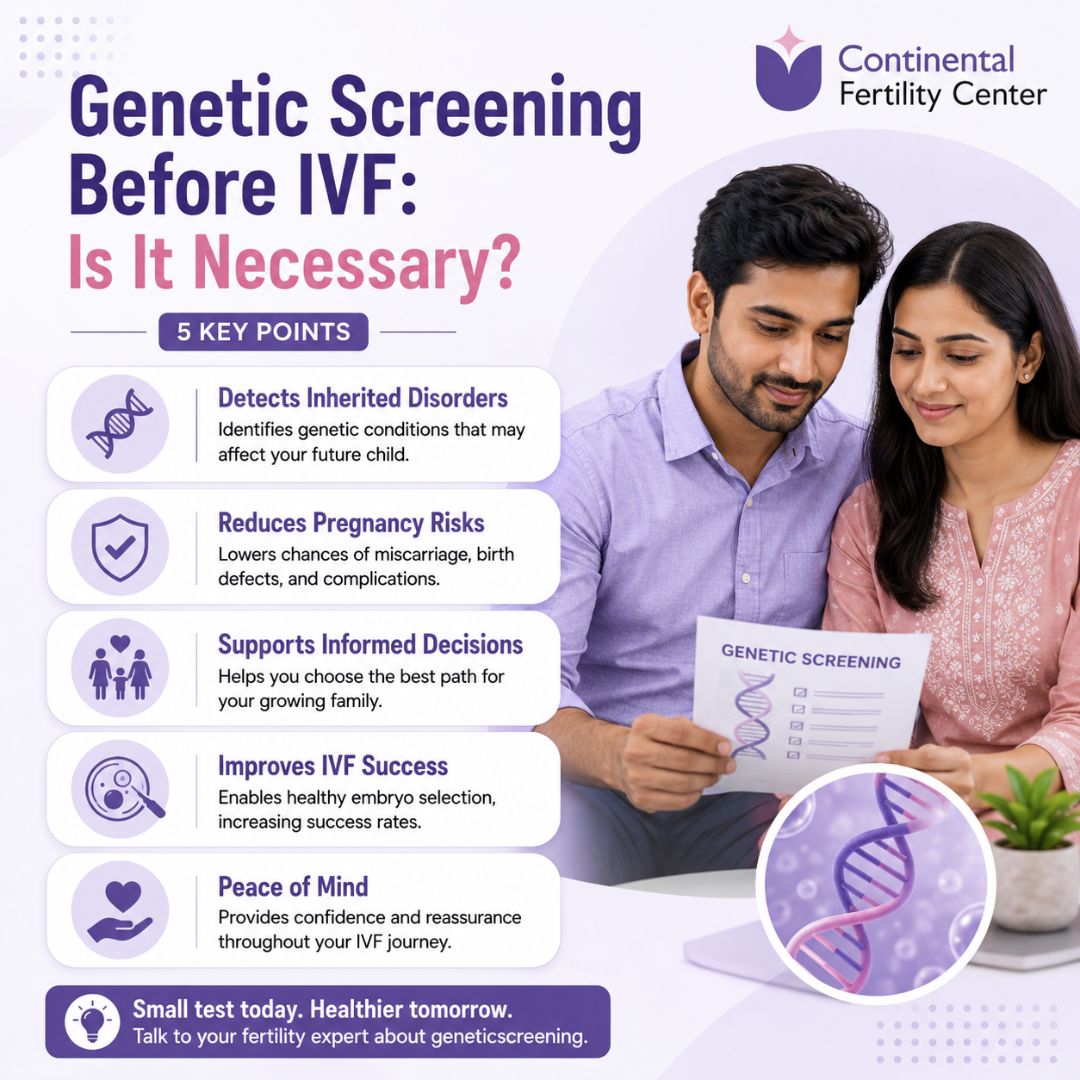
Is genetic screening truly necessary for every couple undergoing IVF? While it may not be mandatory for everyone, it is highly beneficial for optimizing pregnancy outcomes and minimizing the emotional toll of failed cycles.
Does it lower the risk of miscarriage?
Yes, a significant percentage of early pregnancy losses are caused by chromosomal abnormalities in the embryo. By screening out these abnormal embryos prior to transfer, the risk of miscarriage is substantially reduced.
Can it improve implantation rates?
Yes, embryos with the correct number of chromosomes have a much higher chance of successfully implanting into the uterine lining, leading to a higher success rate per embryo transfer.
Does it reduce the need for multiple transfer cycles?
Yes, by identifying the most viable embryos first, couples often achieve a successful pregnancy in fewer cycles, saving valuable time and emotional energy.
Who Should Consider Genetic Testing Before IVF?
While genetic screening is available to all couples undergoing fertility treatments, certain individuals benefit from it more significantly. Fertility specialists often recommend this advanced testing to couples who meet specific criteria.
Women of Advanced Maternal Age: Women aged 35 and above have a higher risk of producing eggs with chromosomal abnormalities, making screening highly valuable.
Couples with Recurrent Miscarriages: Couples who have experienced two or more consecutive pregnancy losses often find that genetic factors are the root cause.
Individuals with Repeated IVF Failures: If multiple high-quality embryos have failed to implant in previous cycles, screening can help identify if a genetic issue is responsible.
Known Carriers of Genetic Disorders: When one or both partners carry a hereditary genetic condition, screening prevents passing the disorder to the child.
What Is the Role of Genetic Counseling?
Before undergoing advanced laboratory tests, couples are encouraged to participate in genetic counseling. A certified genetic counselor helps prospective parents understand the implications of the test results and guides them through the decision-making process.
During a genetic counseling session, the specialist reviews the family medical histories of both partners to assess potential risks. They explain what the genetic screening can and cannot detect, ensuring that couples have realistic expectations. This guidance provides clarity and peace of mind, helping patients make informed, confident choices about their reproductive health.
How Does This Differ from Prenatal Genetic Testing?
It is common to confuse screening done before IVF with prenatal genetic testing. The fundamental difference lies in the timing of the procedure.
Genetic screening before IVF happens in a specialized laboratory setting before a pregnancy is ever established. It evaluates the embryo before it is transferred to the womb. In contrast, prenatal genetic testing is performed during pregnancy, using methods like non-invasive prenatal screening blood tests, amniocentesis, or chorionic villus sampling to check the health of a developing fetus. Choosing screening before IVF allows couples to minimize risks before pregnancy begins.
Why Choose Continental Fertility Center for Genetic Screening and IVF?
When undergoing sophisticated treatments like IVF and genetic screening, selecting an institution with advanced clinical capabilities is essential. Continental Hospitals is widely recognized as the best hospital in Hyderabad for comprehensive reproductive medicine and fertility care.
Continental Hospitals holds prestigious national and international accreditations, including the National Accreditation Board for Hospitals & Healthcare Providers or NABH accreditation. These accreditations guarantee that the hospital adheres to the highest global standards of patient safety, clinical quality, and ethical medical practices.
The Continental Fertility Center features a state-of-the-art embryology laboratory equipped with cutting-edge technology required for safe embryo biopsy and genetic analysis. A dedicated multi-disciplinary team of reproductive endocrinologists, embryologists, and genetic counselors works collaboratively to deliver precise, personalized treatment plans, ensuring the highest level of care and maximum confidentiality for every couple.
Conclusion
Deciding whether to include genetic screening in your IVF journey is a deeply personal choice, but it remains one of the most effective tools in modern medicine to ensure a healthy pregnancy. By identifying chromosomal health early, couples can navigate their fertility treatments with greater confidence, higher success rates, and a clearer path toward holding a healthy baby.
If you suffer from recurrent pregnancy loss or unexplained infertility or want to explore advanced reproductive options, seeking expert guidance is the first step toward building your family.
Book a consultation with our best fertility clinic in Hyderabad at Continental Hospitals today to learn how advanced genetic care can support your parenthood dreams.
Related Blog Topics:
Frequently Asked Questions
Genetic screening before IVF is a testing process used to evaluate embryos for certain genetic abnormalities before they are transferred into the uterus. The most common methods include Preimplantation Genetic Testing for Aneuploidy (PGT-A), Preimplantation Genetic Testing for Monogenic Disorders (PGT-M), and Preimplantation Genetic Testing for Structural Rearrangements (PGT-SR). These tests help identify embryos with the correct number of chromosomes or those free from specific inherited conditions. Genetic screening is performed on a few cells taken from the embryo in a specialized laboratory. The goal is to improve embryo selection and support healthier pregnancies. It may reduce the risk of transferring embryos with significant genetic abnormalities. The testing process is commonly recommended for certain high-risk couples. It is an additional step in the IVF journey that provides valuable genetic information. However, it does not guarantee a successful pregnancy or a healthy baby. A fertility specialist can help determine whether genetic screening is appropriate for an individual case.
Genetic screening is not necessary for every IVF patient. The decision depends on factors such as age, medical history, previous pregnancy outcomes, and family history of genetic disorders. Some couples may benefit significantly from testing, while others may achieve successful outcomes without it. Women of advanced maternal age often consider genetic screening because the risk of chromosomal abnormalities increases with age. Couples who have experienced recurrent miscarriages may also be advised to undergo testing. In some situations, the fertility specialist may recommend screening to improve embryo selection. However, many healthy couples with no known genetic risks may not require it. The benefits and limitations should be discussed carefully before making a decision. Genetic screening adds cost and additional laboratory procedures to the IVF process. Personalized medical advice is essential to determine whether it is appropriate. Each IVF journey is unique, and testing recommendations vary accordingly.
Genetic screening may be beneficial for couples with specific risk factors. Women aged 35 years or older are often advised to consider testing because chromosome abnormalities become more common with increasing age. Couples with a history of recurrent pregnancy loss may also benefit from embryo screening. Individuals who are known carriers of inherited genetic disorders may use genetic testing to reduce the risk of passing these conditions to their children. Those who have experienced multiple failed IVF cycles may consider screening to improve embryo selection. Patients with a family history of genetic diseases may also be candidates. Genetic screening can be useful when one partner has a chromosomal rearrangement. Fertility specialists evaluate medical and family histories before recommending testing. The goal is to identify embryos with the highest potential for healthy development. A detailed consultation helps determine whether screening is likely to provide meaningful benefits.
Genetic screening may improve IVF outcomes for certain patients by helping identify embryos with normal chromosome numbers. Selecting chromosomally normal embryos may increase the likelihood of implantation and ongoing pregnancy. It may also reduce the chances of miscarriage caused by chromosomal abnormalities. However, the degree of benefit varies depending on the patient's age and reproductive history. Younger patients with a good prognosis may experience less significant advantages. Genetic screening does not improve the quality of embryos but helps identify those more likely to result in a successful pregnancy. The test provides additional information that can assist in embryo selection. Success rates are influenced by many factors, including egg quality, sperm quality, uterine health, and overall fertility. Genetic screening is not a guarantee of pregnancy. It should be viewed as one tool among many in fertility treatment. A fertility expert can explain the expected benefits for each individual case.
Genetic screening can reduce the risk of certain genetic abnormalities, but it cannot eliminate all genetic disorders. Current testing methods focus on specific chromosomal abnormalities or known inherited conditions. Not every genetic disease can be detected through embryo testing. Some rare disorders may not be included in the screening process. In addition, genetic screening examines a limited number of cells from the embryo and may not capture every possible abnormality. There is also a small chance of false-positive or false-negative results. Prenatal testing during pregnancy may still be recommended even after genetic screening. The technology is highly advanced but has limitations. Patients should understand that no test can guarantee a completely healthy baby. Genetic counseling can help explain the scope and limitations of testing. A balanced understanding supports informed decision-making during IVF treatment.
Several types of genetic testing are available during IVF. Preimplantation Genetic Testing for Aneuploidy (PGT-A) checks whether embryos have the correct number of chromosomes. Preimplantation Genetic Testing for Monogenic Disorders (PGT-M) is used when parents carry a specific inherited disease, such as thalassemia or cystic fibrosis. Preimplantation Genetic Testing for Structural Rearrangements (PGT-SR) helps identify embryos affected by chromosomal structural abnormalities. Each test serves a different purpose and is recommended based on individual risk factors. The testing process usually involves embryo biopsy and laboratory analysis. Results help fertility specialists select embryos with the best chance of developing into a healthy pregnancy. Not all IVF patients require every type of testing. The choice depends on medical history and genetic risk assessment. Genetic counseling is often provided before testing. Understanding the available options helps couples make informed reproductive decisions.
Genetic screening is generally considered safe when performed by experienced fertility laboratories. The procedure involves removing a small number of cells from the embryo, typically at the blastocyst stage. Modern biopsy techniques are designed to minimize harm to the embryo. However, as with any medical procedure, there are potential risks and limitations. In rare cases, embryo biopsy may affect embryo viability. There is also a possibility that some embryos may not survive the freezing and thawing process associated with testing. Test results may occasionally be inconclusive, requiring further evaluation. The procedure can increase treatment costs and extend the IVF timeline. Emotional stress may also arise while waiting for results. Discussing potential risks with a fertility specialist is important before proceeding. Careful patient selection and expert laboratory practices help maximize safety and effectiveness.
The decision to undergo genetic screening should be based on individual medical circumstances, fertility goals, and professional guidance. Couples should discuss their age, reproductive history, family history, and previous IVF experiences with a fertility specialist. Genetic counseling can provide detailed information about the benefits and limitations of testing. Understanding the likelihood of genetic abnormalities can help patients make informed choices. Financial considerations may also influence the decision, as genetic testing adds to the overall cost of IVF treatment. Some couples value the additional information provided by testing, while others may choose to proceed without it. The decision should align with personal preferences and clinical recommendations. There is no one-size-fits-all approach. Careful evaluation helps determine whether testing is likely to improve treatment outcomes. Open communication with the fertility team ensures the most appropriate treatment plan. The ultimate goal is to support a healthy pregnancy and informed reproductive decisions.