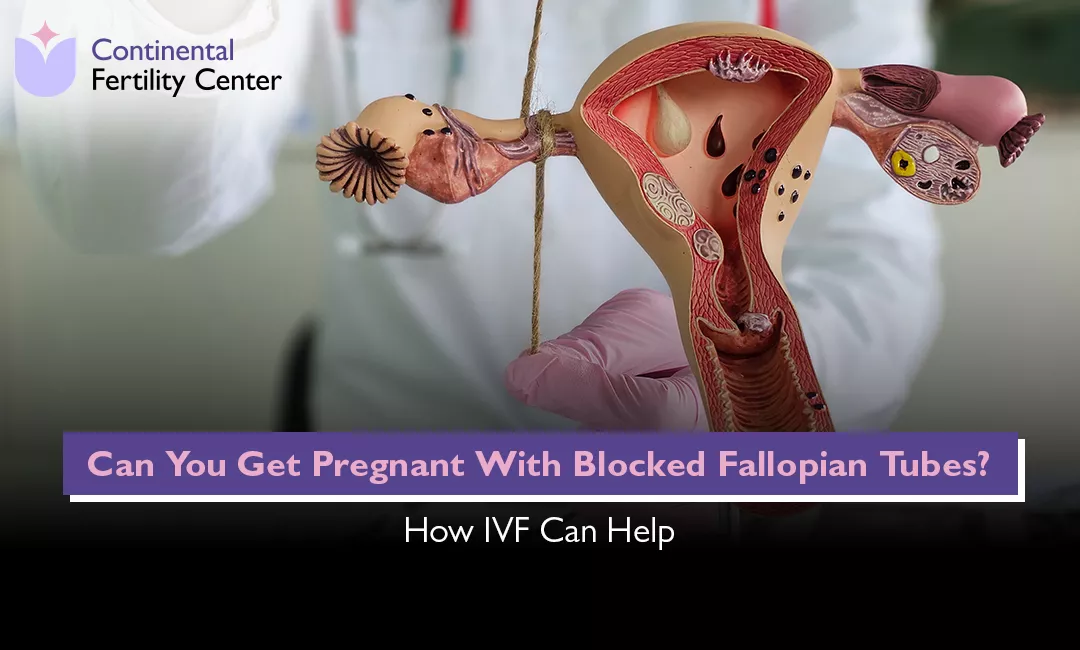
Can You Get Pregnant With Blocked Fallopian Tubes? How IVF Can Help
Blocked fallopian tubes are a common cause of female infertility. Fallopian tubes play an important role in natural conception because they allow sperm to meet the egg and help the fertilized egg travel to the uterus. When one or both tubes are blocked, getting pregnant may become difficult. However, the right treatment can help many women achieve pregnancy.
The good news is that IVF for blocked fallopian tubes offers an effective fertility option for many couples. In vitro fertilization (IVF) allows fertilization to take place outside the body, helping bypass the blocked tubes. At Continental Fertility Center, Hyderabad, fertility specialists evaluate the cause of infertility and recommend personalized treatment based on each patient's reproductive health.
What Causes Blocked Fallopian Tubes?
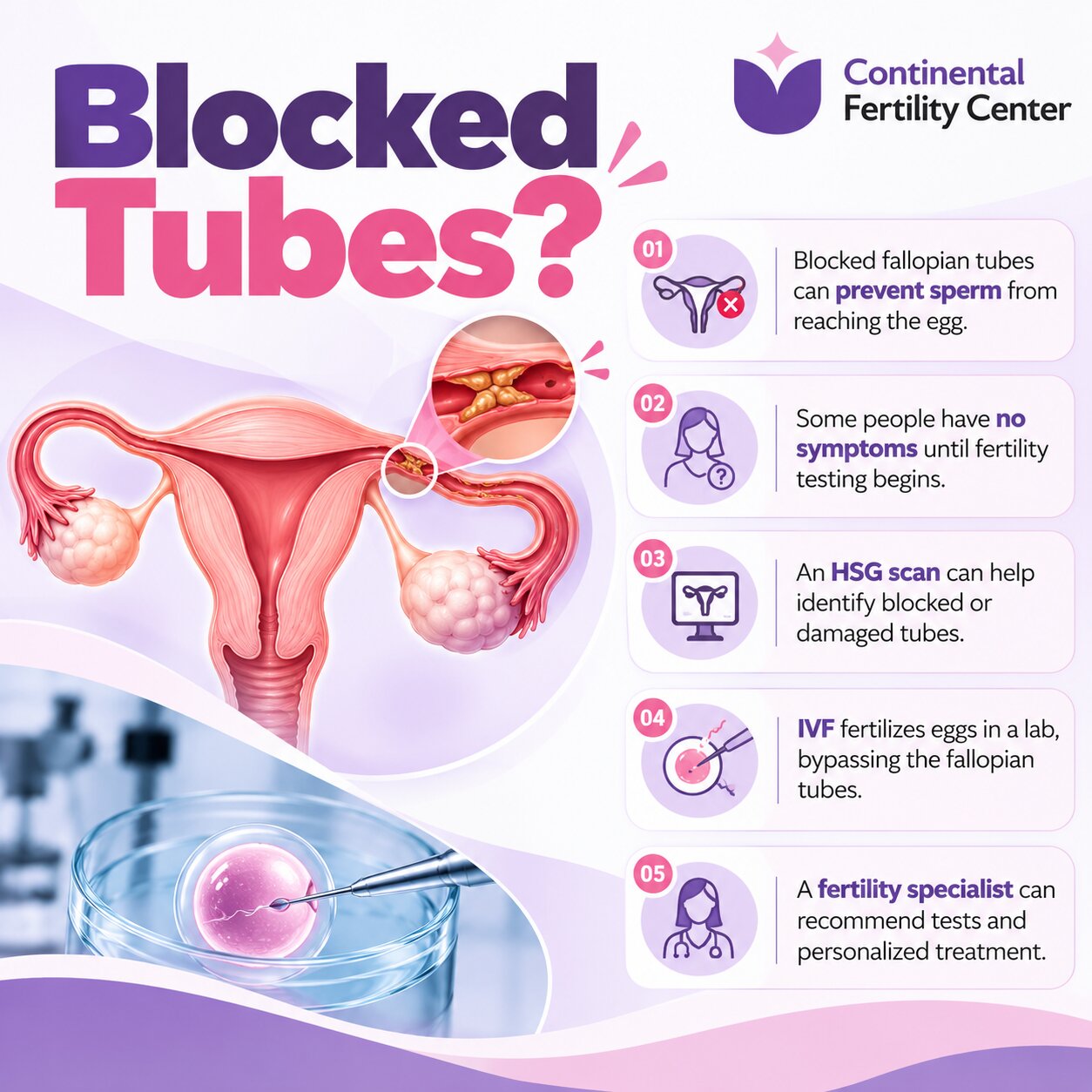
Blocked fallopian tubes occur when scar tissue, inflammation, or other conditions prevent the egg and sperm from meeting. The blockage may affect one or both tubes.
Common causes include:
- Pelvic inflammatory disease (PID)
- Previous pelvic or abdominal surgery
- Endometriosis
- Past ectopic pregnancy
- Pelvic infections and scar tissue
- Hydrosalpinx, a condition in which a fallopian tube fills with fluid
Some women may not experience noticeable symptoms and discover the blockage only during fertility investigations.
Can You Get Pregnant With Blocked Fallopian Tubes?
Yes, pregnancy may still be possible, depending on whether one or both tubes are blocked.
If one fallopian tube is healthy and functioning normally, natural conception may still occur. However, if both tubes are completely blocked, natural conception becomes much more difficult because the sperm and egg cannot meet through the usual pathway.
Blocked tubes and pregnancy possibilities depend on the location and severity of the blockage, the condition of the remaining tube, and other fertility factors. A fertility specialist can help determine the most suitable treatment.
How Does IVF Help With Blocked Fallopian Tubes?
IVF for blocked tubes helps bypass the fallopian tubes completely. Instead of fertilization occurring inside the body, eggs are collected and fertilized with sperm in a laboratory. The resulting embryo is then transferred into the uterus.
The IVF process generally involves:
- Ovarian stimulation: Medicines help the ovaries develop multiple eggs.
- Egg retrieval: Mature eggs are collected through a medical procedure.
- Fertilization: Eggs are fertilized with sperm in the laboratory.
- Embryo development: Fertilized eggs are monitored as they develop.
- Embryo transfer: A suitable embryo is transferred into the uterus.
Because IVF bypasses the fallopian tubes, it can be a suitable option for women with tubal factor infertility.
What Is the Treatment for Fallopian Tube Blockage?
Fallopian tube blockage treatment depends on the location and severity of the blockage. Some women may benefit from surgery or procedures to open certain types of blockage. Others may be advised to consider IVF directly.
Your fertility specialist may recommend:
- Diagnostic tests to confirm the blockage
- Further evaluation of ovarian reserve and uterine health
- Surgery in selected cases
- IVF when both tubes are blocked or tubal damage is significant
- Additional treatment if an underlying infection or other condition is identified
Treatment should be individualized because opening a fallopian tube does not always restore normal function or eliminate the risk of ectopic pregnancy.
What Is the Connection Between Hydrosalpinx and IVF?
Hydrosalpinx occurs when a blocked fallopian tube fills with fluid. This fluid may flow back into the uterus and negatively affect embryo implantation or pregnancy outcomes.
For some women with hydrosalpinx, a fertility specialist may recommend treating the affected tube before IVF. Depending on the individual condition, this may involve surgery or another appropriate procedure.
Why Choose Continental Fertility Center in Hyderabad?
Choosing the right fertility center can make the treatment journey clearer and more supportive. Continental Fertility Center offers individualized fertility assessments, specialist consultations, diagnostic support, and personalized IVF planning.
Continental Hospitals holds JCI accreditation and NABH accreditation, reflecting its commitment to healthcare quality and patient safety. Its multidisciplinary approach supports coordinated care throughout fertility evaluation and treatment.
Patients can benefit from:
- Experienced fertility and reproductive medicine specialists
- Comprehensive infertility investigations
- Personalized IVF treatment planning
- Modern diagnostic and laboratory facilities
- Patient-focused counselling and follow-up care
When Should You Consult a Fertility Specialist?
If you have been diagnosed with blocked fallopian tubes, have a history of pelvic infections, or have been trying to conceive without success, consult a fertility specialist for an evaluation.
If you are experiencing infertility due to blocked fallopian tubes, consult our best fertility specialist in Hyderabad at Continental Fertility Center, Hyderabad, to understand your treatment options and determine whether IVF is appropriate for you.
Conclusion
Blocked fallopian tubes do not mean pregnancy is impossible. Depending on the condition of the tubes, natural conception, selected surgical procedures, or IVF may be possible options. IVF can be particularly helpful when both tubes are completely blocked because it allows fertilization to occur outside the body.
With timely diagnosis, appropriate treatment, and personalized fertility care, many couples can explore a suitable path toward parenthood.
Frequently Asked Questions
Pregnancy with blocked fallopian tubes depends on whether one or both tubes are affected. The fallopian tubes help sperm reach the egg and transport the fertilized egg toward the uterus. If one tube remains healthy and functional, natural pregnancy may still be possible. However, blocked or damaged tubes can reduce the chances of conception. If both tubes are completely blocked, natural conception is generally not possible. Some blockages may be partial rather than complete. The location and severity of the blockage can influence treatment options. A fertility specialist may recommend tests to assess tubal health. Treatment depends on the cause of the blockage and your overall reproductive health. IVF can help bypass the fallopian tubes. During IVF, eggs are collected and fertilized with sperm in a laboratory. The resulting embryo is transferred directly into the uterus. A fertility consultation can help determine the most suitable approach.
Yes, IVF can help many women become pregnant when their fallopian tubes are blocked. IVF stands for in vitro fertilization. It allows fertilization to take place outside the body in a laboratory. The fertility specialist first evaluates ovarian function and reproductive health. Medication is generally used to stimulate the ovaries to produce multiple eggs. The eggs are collected through a medical procedure. They are fertilized with sperm in the laboratory. Embryos are monitored as they develop. A suitable embryo is then transferred into the uterus. This process bypasses the need for eggs and sperm to travel through the fallopian tubes. IVF may be recommended when both tubes are blocked or severely damaged. Success depends on factors such as age, egg quality, sperm health, and embryo development. Your fertility specialist can explain your expected outcomes and treatment options.
Blocked fallopian tubes can develop because of several medical conditions. Pelvic inflammatory disease is one possible cause. Certain sexually transmitted infections can damage the tubes. Endometriosis may cause inflammation, scarring, or adhesions around the reproductive organs. Previous pelvic or abdominal surgery can sometimes lead to scar tissue. A past ectopic pregnancy may also damage a fallopian tube. Tuberculosis affecting the reproductive tract can cause tubal damage in some regions. Some women develop blockages without noticeable symptoms. Others may experience pelvic pain or have a history of pelvic infection. Blocked tubes are often discovered during fertility investigations. A hysterosalpingography test may help assess whether the tubes are open. Further evaluation may be necessary when results are unclear. Identifying the underlying cause helps doctors recommend appropriate treatment. Early fertility assessment can help you understand your options.
Blocked fallopian tubes often cause no noticeable symptoms. Many women discover the condition when they seek help for difficulty conceiving. Some may experience pelvic pain related to the underlying cause. Painful periods can occur in women with conditions such as endometriosis. Unusual vaginal discharge or fever may indicate a pelvic infection. These symptoms do not necessarily mean that the fallopian tubes are blocked. Fluid accumulation inside a damaged tube is known as hydrosalpinx. This condition may sometimes cause pelvic discomfort. Previous pelvic infections or ectopic pregnancy can increase concern about tubal damage. A medical history alone cannot confirm a blockage. Fertility specialists may recommend imaging tests to examine the tubes. Early evaluation can help identify suitable treatment options. Seek prompt medical attention for fever or severe pelvic pain. Sudden severe pain with dizziness or bleeding requires emergency assessment, especially if pregnancy is possible.
Blocked fallopian tubes are diagnosed through a fertility evaluation. Your doctor will review your medical history and any previous pelvic infections. A hysterosalpingography test uses contrast dye and X-ray imaging to assess the tubes. The test can help identify areas where dye does not pass through. A contrast ultrasound may also be used to evaluate tubal patency. Standard pelvic ultrasound can identify some abnormalities but may not rule out every blockage. Additional tests may be recommended if the initial results are uncertain. Laparoscopy can help examine the pelvis directly in selected cases. The appropriate test depends on your symptoms and medical history. Your doctor may also evaluate ovulation and ovarian reserve. A partner's semen analysis may be part of the fertility assessment. Accurate diagnosis helps guide decisions about surgery or IVF. Discuss the benefits and limitations of each test with your fertility specialist.
Natural remedies cannot reliably reopen fallopian tubes that are scarred or completely blocked. Healthy lifestyle habits can support general reproductive health. Eating a balanced diet and avoiding smoking may benefit overall fertility. However, these measures cannot remove established scar tissue. Herbal products and fertility supplements have not been proven to clear tubal blockages. Some products may interact with medicines or cause unwanted effects. Treatment depends on the location and severity of the blockage. Certain minor blockages may sometimes be treated with medical procedures. Surgery may be considered for selected patients after careful evaluation. IVF is often an effective option when both tubes are severely damaged. A fertility specialist can explain which treatments are appropriate for your condition. Avoid delaying evaluation when pregnancy has not occurred despite trying to conceive. Early assessment can help you make informed decisions about fertility care.
IVF is a well-established fertility treatment for many people with blocked fallopian tubes. Its suitability depends on your overall health and reproductive condition. The treatment involves ovarian stimulation, egg retrieval, laboratory fertilization, and embryo transfer. As with any medical procedure, IVF has potential risks. Ovarian stimulation can occasionally cause ovarian hyperstimulation syndrome. Egg retrieval may involve bleeding, infection, or complications related to the procedure. Multiple pregnancy is possible when more than one embryo is transferred. Damaged tubes containing fluid, a condition called hydrosalpinx, may reduce IVF success. In such cases, a specialist may recommend treating the affected tube before embryo transfer. IVF does not guarantee pregnancy or a live birth. Outcomes vary according to age, embryo quality, and other medical factors. Your fertility specialist should explain the benefits and risks before treatment. Individualized planning helps support safer and more appropriate fertility care.
You may consider IVF if blocked fallopian tubes are preventing natural conception. IVF is often recommended when both tubes are completely blocked. It may also be appropriate when the tubes are severely damaged. Women with hydrosalpinx may need treatment before starting IVF. Your age and ovarian reserve can influence how quickly treatment should begin. Previous fertility treatments and the duration of infertility are also important. A fertility specialist can assess whether surgery or IVF is more suitable. Some patients may benefit from treatment of a correctable tubal problem. Others may achieve better prospects with IVF rather than surgery. A complete fertility evaluation helps guide this decision. Your partner may also need reproductive testing. Discuss expected success rates, possible risks, and treatment timelines with your doctor. Early consultation can help you choose a suitable plan for your family-building goals.
If you are looking for IVF treatment in Hyderabad, start with a qualified fertility specialist. Choose a fertility centre that offers comprehensive infertility evaluation and individualized treatment planning. The specialist can investigate whether one or both fallopian tubes are blocked. Diagnostic testing helps determine the cause and severity of the problem. Your doctor can explain whether IVF or another treatment may be appropriate. IVF may help bypass blocked tubes and allow an embryo to be transferred into the uterus. The treatment plan should consider your age, ovarian reserve, and medical history. Your partner may also require fertility testing. Ask about the treatment process, possible risks, and expected outcomes. It is important to understand that IVF success varies between individuals. Continental Fertility Centre provides fertility consultations to help patients understand available treatment options. Speak with the fertility team to discuss your individual circumstances. A personalized assessment is the first step toward informed fertility care.