
Does the HPV Vaccine Affect Female Fertility? Facts Explained
The HPV vaccine is an important preventive measure that helps protect women against certain types of human papillomavirus (HPV), a common virus linked to cervical cancer and other health conditions. However, many women have questions about its safety, especially when planning a pregnancy or considering fertility treatment. One common concern is whether the HPV vaccine can affect a woman's ability to conceive.
The good news is that there is no credible scientific evidence that the HPV vaccine causes infertility. Research and safety monitoring support its use in preventing HPV-related diseases. Understanding the HPV vaccine, its benefits, possible side effects, and its connection to reproductive health can help women make informed decisions about their health and future pregnancy plans.
Does the HPV Vaccine Cause Infertility?
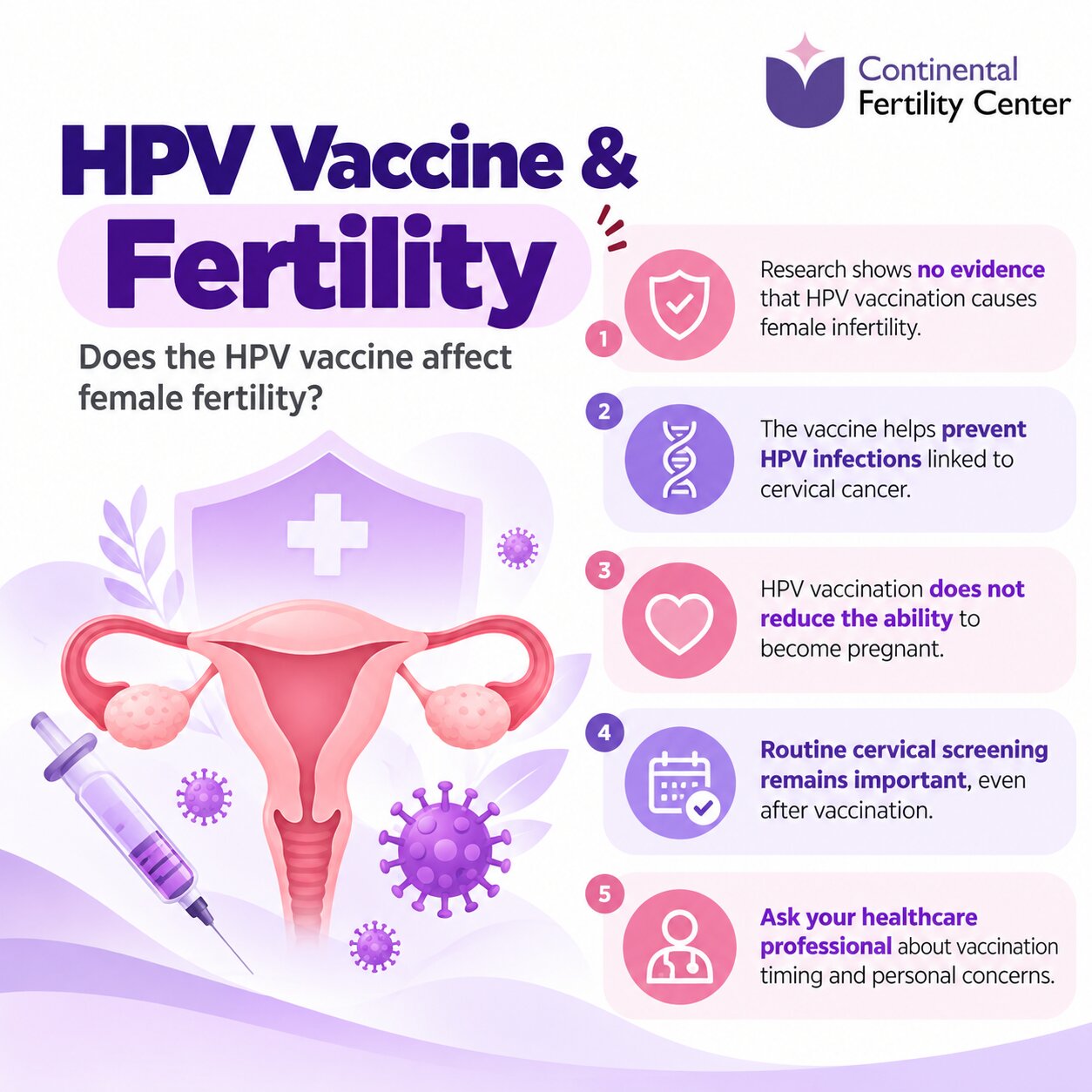
No. Current scientific evidence does not show that the HPV vaccine causes infertility in women. The vaccine helps the immune system protect against HPV infections that can lead to cervical cancer and other diseases. It does not damage the ovaries or reduce a woman's ability to conceive.
In fact, preventing HPV-related cervical disease may help protect reproductive health by reducing the likelihood of needing certain cervical procedures that can sometimes affect pregnancy outcomes.
The HPV vaccine is preventive, meaning it helps protect against future infections. It does not treat an existing HPV infection or cure infertility.
What Is the Connection Between HPV Infection and Fertility?
HPV is a common viral infection that can affect the genital area. Most infections clear naturally, but some high-risk HPV types can persist and cause abnormal cervical cell changes that may develop into cervical cancer.
The HPV infection and fertility relationship is complex. HPV itself is not generally considered a direct cause of female infertility, and research into its possible effects on reproductive outcomes is ongoing.
However, complications associated with persistent HPV infection can sometimes affect reproductive health. For example, treatment for significant cervical abnormalities may involve removing cervical tissue. Depending on the procedure and the amount of tissue removed, this can influence certain pregnancy outcomes.
By helping prevent infections caused by important high-risk HPV types, the HPV vaccine offers valuable protection for long-term cervical health.
What Are the Benefits of HPV Vaccination?
The HPV vaccine provides several important health benefits for women.
- Cervical cancer prevention: Protects against HPV types responsible for many cases of cervical cancer.
- Protection against HPV infections: Helps prevent infection from the HPV types covered by the vaccine.
- Reduced risk of precancerous changes: Lowers the risk of cervical cell abnormalities associated with covered HPV types.
- Protection for future reproductive health: Helps reduce the risk of HPV-related disease and some of the treatments that may follow.
- Long-term health benefits: Provides the greatest benefit when administered before exposure to HPV.
The HPV vaccine does not replace routine cervical screening. Women should continue screening according to their doctor's recommendations.
What Are the Possible HPV Vaccine Side Effects?
The HPV vaccine has a well-established safety profile. Like other vaccines, it may cause mild, temporary side effects.
Common HPV vaccine side effects include:
- Pain, redness, or swelling at the injection site
- Mild fever
- Headache
- Tiredness
- Muscle discomfort
- Dizziness or fainting shortly after vaccination
Serious allergic reactions are rare. Medical observation after vaccination may be recommended, particularly for adolescents who could feel faint.
There is no established link between HPV vaccination and ovarian damage, reduced fertility, or premature ovarian insufficiency. If you experience unusual or persistent symptoms after vaccination, consult a healthcare professional.
Is the HPV Vaccine Safe When Planning a Pregnancy?
The HPV vaccine is not recommended during pregnancy as a routine precaution. If a woman discovers that she is pregnant after receiving a dose, there is generally no reason to panic. Available evidence has not identified a specific pregnancy safety concern, but any remaining doses should usually be postponed until after pregnancy.
The vaccine is not known to cause difficulty conceiving. Women planning pregnancy can discuss the appropriate vaccination schedule with their doctor.
If you are undergoing IVF or another fertility treatment, inform your fertility specialist about your vaccination history and planned treatment dates. Your doctor can advise you on appropriate timing based on your individual circumstances.
Who Should Consider the HPV Vaccine?
HPV vaccination is most effective when given before exposure to the virus. It is routinely recommended for eligible adolescents, while catch-up vaccination may be appropriate for some older individuals, depending on age and local guidelines.
Women considering vaccination should discuss the following with their doctor:
- Their age and vaccination history
- Whether they have previously received any HPV vaccine doses
- Their medical history and any previous severe allergic reactions
- Pregnancy status or plans to conceive
- Whether catch-up vaccination is appropriate
Even women who are already sexually active may benefit from vaccination because they may not have been exposed to all HPV types covered by the vaccine.
Why Choose Continental Fertility Center?
Choosing the right healthcare provider helps women make informed decisions about reproductive health and pregnancy planning. Continental Fertility Center offers fertility evaluation, reproductive health guidance, and personalized treatment planning based on individual needs.
Continental Hospitals follows established healthcare quality and patient safety practices and holds NABH and NABL accreditations. These accreditations reflect recognized standards for hospital care and laboratory quality, respectively.
Women can seek guidance on fertility concerns, preconception planning, vaccination questions, and fertility treatment options from the appropriate specialists. The medical team can help address concerns about the HPV vaccine and reproductive health using current medical evidence.
When Should You Consult a Doctor?
If you are planning a pregnancy, preparing for IVF, or concerned about the effects of HPV infection on your reproductive health, consult a qualified specialist. A doctor can review your medical history, explain vaccination recommendations, and help you understand the importance of cervical screening.
If you have concerns about infertility or are experiencing difficulty conceiving, consult our best fertility specialist in Hyderabad at Continental Fertility Center for an individualized evaluation and appropriate guidance.
Conclusion
The HPV vaccine does not have an established link to female infertility. Instead, it helps protect against HPV infections that can cause cervical cancer and other diseases. Vaccination, routine cervical screening, and timely medical advice are important parts of maintaining reproductive and overall health.
Women planning pregnancy or fertility treatment should discuss their vaccination needs with a qualified healthcare professional. With accurate information and appropriate medical guidance, you can make confident decisions about HPV prevention and your future reproductive health.
Frequently Asked Questions
No, current scientific evidence does not show that the HPV vaccine causes female infertility. The vaccine helps protect against certain types of human papillomavirus. Some of these HPV types can cause cervical cancer. The vaccine stimulates the immune system to recognise and fight the virus. It does not contain live HPV that can cause an HPV infection. Research has not established a link between HPV vaccination and reduced fertility. Studies have also not shown that the vaccine damages the ovaries. HPV vaccination may help protect reproductive health by preventing HPV-related cervical disease. Some cervical precancers may require treatments that can affect future pregnancy outcomes. Preventing these conditions may therefore offer important long-term health benefits. The vaccine does not guarantee fertility or prevent every HPV infection. Recommended cervical screening remains important after vaccination. Women with fertility concerns should discuss their medical history with a qualified doctor. A healthcare professional can provide reliable advice about vaccination and reproductive health.
Current evidence does not establish that the HPV vaccine damages the ovaries. The vaccine is designed to protect against specific types of human papillomavirus. It works by helping the immune system develop protection against the virus. It does not contain live HPV capable of causing infection. Research has not demonstrated a consistent link between HPV vaccination and premature ovarian insufficiency. Premature ovarian insufficiency occurs when the ovaries lose normal function before age 40. Menstrual changes can happen for many reasons unrelated to vaccination. Stress, hormonal conditions and changes in health may affect menstrual cycles. A menstrual change after vaccination does not automatically mean the vaccine caused it. Persistent irregular periods or missed periods should be evaluated by a healthcare professional. Your doctor may recommend tests based on your symptoms and medical history. HPV vaccination should be considered alongside age-appropriate preventive healthcare. Do not avoid recommended vaccination based on unsupported fertility claims. Ask your doctor if you have specific concerns about ovarian health.
The HPV vaccine has not been shown to cause infertility or permanently delay the ability to become pregnant. It does not target the reproductive organs as a fertility treatment. Its main purpose is to prevent infections caused by certain HPV types. The vaccine helps reduce the risk of cervical precancers and related cancers. There is no established evidence that HPV vaccination reduces a woman's future chances of conception. Fertility depends on factors such as age, ovulation, fallopian tube health and sperm quality. Existing reproductive conditions may also affect the time needed to conceive. The vaccine is preventive and does not treat an existing HPV infection. If you are planning pregnancy, discuss the appropriate vaccination schedule with your doctor. HPV vaccination is generally deferred during pregnancy as a precaution. If a dose is given before pregnancy is recognised, available evidence has not identified a specific pregnancy-related safety concern requiring special intervention. Remaining doses can usually be given after pregnancy. Your healthcare professional can advise you based on your circumstances. Do not delay fertility evaluation if you have difficulty conceiving.
The HPV vaccine has a well-established safety record in recommended age groups. It helps protect against HPV types associated with cervical and other cancers. Most side effects are mild and temporary. These may include pain, redness or swelling at the injection site. Some people may experience a headache, mild fever or fatigue. Dizziness or fainting can occur after vaccination, particularly among adolescents. Sitting or lying down during the recommended observation period can help prevent injuries from fainting. Severe allergic reactions are rare but require immediate medical attention. The vaccine does not cause HPV infection because it does not contain live virus. Large studies have not established a causal link between HPV vaccination and female infertility. The appropriate vaccine and schedule depend on age and local recommendations. People with a history of severe allergic reactions should inform their healthcare professional. Vaccination may need to be postponed during certain acute illnesses. Ask your doctor about benefits, possible side effects and the recommended schedule.
Yes, HPV vaccination can be given before pregnancy when it is recommended for your age and medical circumstances. Vaccination before exposure to HPV offers the greatest preventive benefit. The vaccine helps protect against HPV types responsible for many cervical cancers. It can also prevent certain other HPV-related diseases. The vaccine is not known to reduce female fertility. It does not need to be taken as a fertility treatment. If you are planning pregnancy, ask your doctor about the best time to complete vaccination. HPV vaccination is generally not recommended during an ongoing pregnancy. If pregnancy begins after the first dose, remaining doses should usually be postponed until after pregnancy. Receiving a dose before knowing you are pregnant is not generally considered a reason for alarm. Tell your healthcare professional if you are pregnant or suspect pregnancy. Your doctor can review your vaccination history and advise on the schedule. Cervical screening remains necessary even after vaccination. Vaccination and routine reproductive healthcare work together to support long-term health.
HPV is a common viral infection that affects the skin and mucous membranes. Many HPV infections clear naturally without causing long-term problems. Current evidence does not establish that HPV infection alone causes infertility in every affected woman. However, persistent high-risk HPV infections can cause changes in cervical cells. Some of these changes may develop into cervical cancer if not detected and treated. Treatment for significant cervical disease can sometimes affect future pregnancy outcomes. The impact depends on the type and extent of treatment. HPV itself does not always prevent conception. Fertility also depends on ovulation, fallopian tube health, age and other medical factors. Regular cervical screening helps identify abnormal changes early. HPV vaccination can prevent many infections caused by the high-risk types covered by the vaccine. It does not treat an infection that is already present. Women with abnormal screening results should follow their doctor's recommendations. Discuss persistent symptoms or fertility concerns with a qualified healthcare professional.
The HPV vaccine has not been shown to cause persistent menstrual problems in a consistent, established way. Menstrual cycles can naturally vary from month to month. Stress, changes in weight, illness and hormonal conditions can influence periods. Some people may notice a temporary change in their cycle around the time of vaccination. A change occurring after vaccination does not necessarily mean the vaccine caused it. Research has not established that HPV vaccination causes infertility through menstrual changes. The vaccine is designed to prevent certain HPV infections. It does not function as a hormone treatment. If your period is late, pregnancy may be one possible explanation if you are sexually active. Other causes include thyroid disorders and polycystic ovary syndrome. Seek medical advice if periods become persistently irregular or stop unexpectedly. Heavy bleeding or severe pelvic pain also requires medical assessment. Your doctor can recommend appropriate tests based on your symptoms. Do not stop or avoid recommended vaccination because of unverified claims about menstrual health.
HPV vaccination is recommended routinely for adolescents in many national immunisation programmes. The ideal age and schedule depend on the country's guidelines. Vaccination is most effective when given before exposure to HPV. People who missed vaccination at the recommended age may still benefit later. Eligibility for catch-up vaccination depends on age and local recommendations. Some adults may consider vaccination after discussing the potential benefits with their doctor. The vaccine prevents new infections but does not treat existing HPV infections. It does not replace cervical screening. People with certain medical conditions may need individual advice about vaccination. A history of HPV infection does not necessarily mean vaccination has no benefit. The appropriate number of doses depends on age at the first dose and immune status. Your healthcare professional can confirm the recommended schedule. Ask about vaccine availability and suitability for your circumstances. Vaccination is an important preventive measure for eligible individuals.
Yes, women can become pregnant after receiving the HPV vaccine. Current evidence does not indicate that HPV vaccination causes female infertility. The vaccine protects against certain HPV types linked to cervical cancer and other diseases. It does not stop ovulation or act as contraception. It is not designed to improve fertility or guarantee pregnancy. Your chances of conception depend on several factors, including age and reproductive health. If you are trying to conceive, discuss your vaccination schedule with your doctor. HPV vaccination is generally postponed during pregnancy. If you become pregnant after receiving a dose, inform your healthcare professional. Remaining doses can usually be completed after pregnancy. There is no established evidence that vaccination before conception harms future fertility. Continue recommended cervical screening even if you have been vaccinated. If you experience difficulty conceiving, a fertility assessment may help identify possible causes. A qualified fertility specialist can guide you on pregnancy planning and reproductive health.