
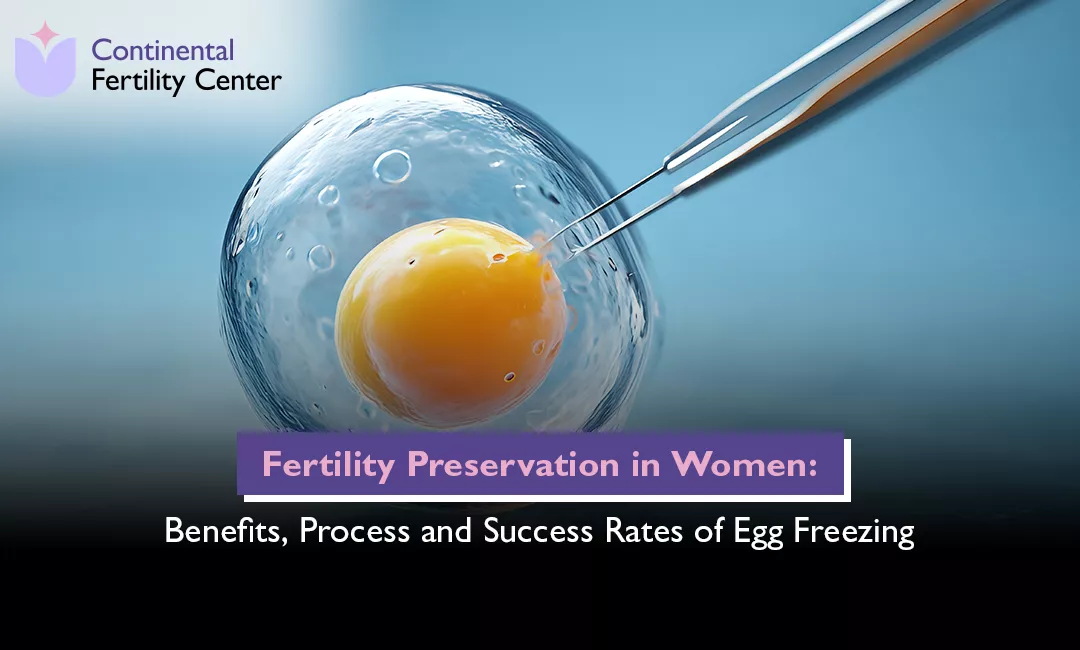
Fertility Preservation in Women: Benefits, Process and Success Rates of Egg Freezing
Egg freezing can be considered as one of the options for fertility preservation in women wishing to postpone childbirth but retain their chances of bearing a biological child later in life. Life circumstances, career plans, and individual desires can make a woman decide on delaying her pregnancy until the appropriate time. Fertility preservation through egg freezing presents an opportunity to preserve a woman's egg cells at a young age to be used later on.
Fertility preservation is a method of maintaining a woman's reproductive capacity by preserving her eggs for future use. As a result of significant developments in reproductive medicine, fertility preservation methods like egg freezing have gained popularity among women who want to postpone pregnancy or undergo certain medical procedures affecting their fertility.
What Does It Mean to Preserve Fertility in Women?
Fertility preservation involves medical interventions aimed at protecting the ability of women to conceive children. The most common technique is egg freezing or oocyte cryopreservation.
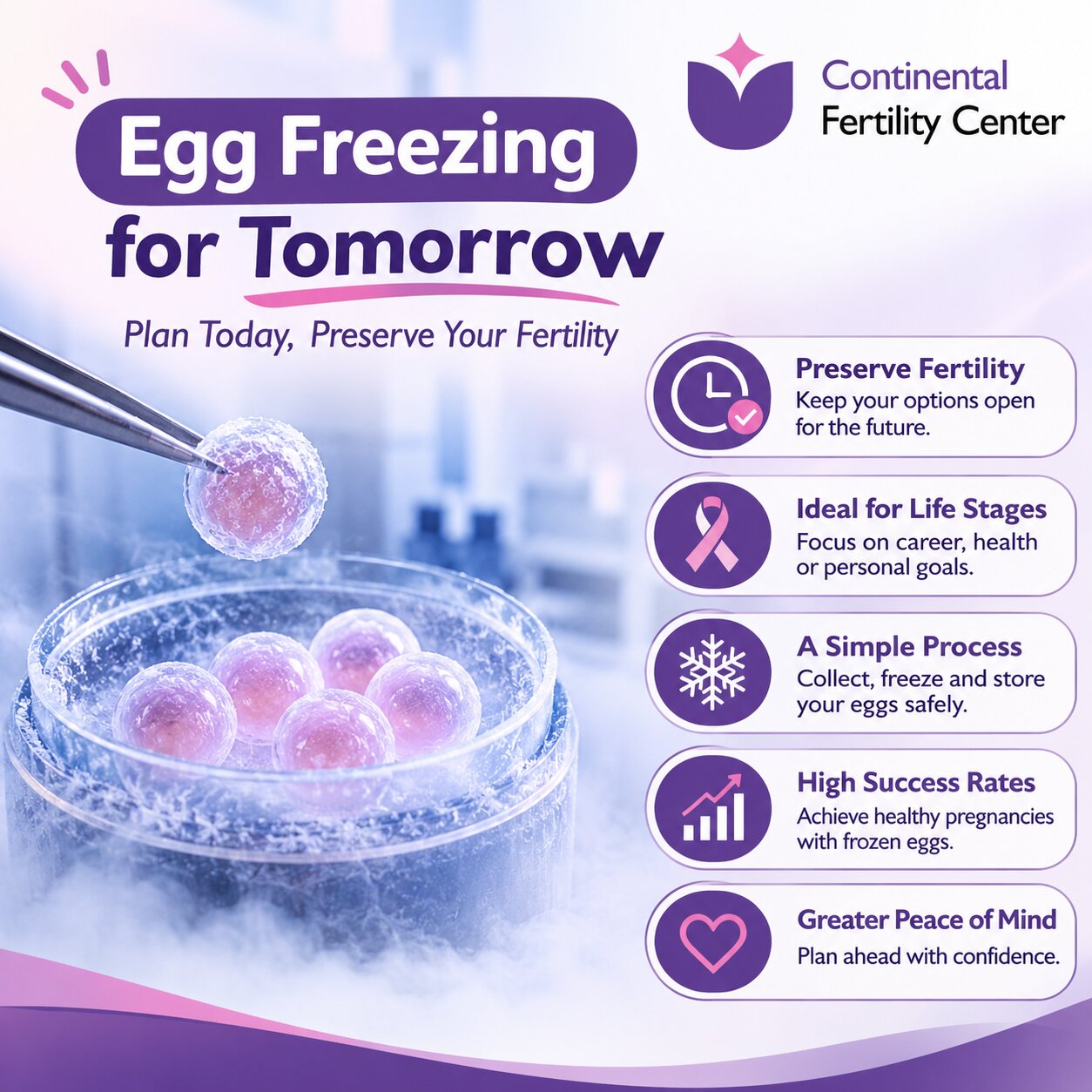
This involves retrieving mature eggs from the ovary and preserving them through a special technique known as vitrification. The preserved eggs can then be retrieved for use in an IVF procedure in the future.
Why Do Women Choose Egg Freezing?
There can be many reasons why women might consider fertility preservation, including personal, professional, and health concerns. This helps preserve the eggs before the age-related deterioration takes place.
Some common reasons include:
- Postponing conception owing to professional or personal reasons.
- Not being ready to conceive yet.
- Undergoing chemotherapy or radiotherapy.
- Suffering from medical issues that might impair ovary function.
- Needing to undergo any medical procedures that might lower fertility.
- Possessing a medical history of premature menopause.
At What Age Is It Best to Freeze Eggs?
Age is one of the main factors that affect fertility in women. Women usually have a fixed quantity of eggs, which reduces with time.
Freezing of eggs is best done when a woman is young and of reproductive age, especially before she turns 35 years. This is because when a woman is young, she is more likely to have many eggs that have reproductive potential.
The optimal age for freezing eggs is determined by several factors, including ovarian reserve, past medical conditions, and fertility goals.
How Is the Egg Freezing Procedure Done?
Fertility preservation via egg freezing consists of a number of steps. These procedures are tailored to the individual fertility needs of women.
1. Fertility Evaluation
Egg supply is estimated by the means of hormone analysis and ultrasound examination of the ovaries and antral follicles.
2. Ovarian Stimulation
Medication stimulating production of mature eggs in one cycle is provided to a woman.
3. Egg Retrieval
When the eggs mature, they are retrieved in a small procedure done under sedation or anesthesia with ultrasound visualization.
4. Egg Freezing and Cryopreservation
The mature eggs are cryopreserved by the method of vitrification in special conditions.
5. Future Egg Thawing, Fertilization, and Embryo Transfer
Later, when a woman is ready for conception, her frozen eggs can be thawed and fertilized with the help of ICSI, and embryos are implanted into her uterus.
What are the success rates of egg freezing?
Egg freezing success rates are affected by many variables, mostly the age of the woman when she undergoes egg freezing and the amount of mature eggs she has stored.
Success rates are higher for younger women who are trying to conceive through frozen eggs. But not all the frozen eggs can survive during the thawing process, fertilize, and become embryos.
Success rates depend on:
- Age at the time of freezing.
- Number of mature eggs retrieved and frozen.
- Quality of eggs and ovarian reserve.
- Survival rate of the eggs after thawing.
- Embryo formation and development of the uterus.
Keep in mind that egg freezing doesn't assure pregnancy or a baby.
Why Should You Choose Continental Fertility Center?
It is important to select the correct fertility center when undergoing personalized care for your reproductive issues. Continental Fertility Center provides an exhaustive fertility evaluation and treatment with the help of fertility experts and modern medical facilities.
Continentals Hospitals are accredited with NABH & NABL, which reflects the standard level of healthcare that they provide.
Some of the benefits of selecting this center include:
- Skilled fertility and reproductive medicine experts.
- Customized fertility preservation plan.
- State-of-the-art diagnostics and fertility evaluation.
- IVF and egg freezing laboratory services.
- Counselling and guidance to patients.
- Full reproductive healthcare.
Continental Hospitals have been recognized as one of the finest healthcare organizations, especially when it comes to the selection of the best hospital in Hyderabad.
When Should You See a Fertility Doctor?
If you wish to put off pregnancy, have a history of premature menopause in your family, or are going for treatment that could have an effect on your ability to conceive, see a fertility doctor.
If you want to preserve your fertility and find out if you are a candidate for egg freezing, consult our best fertility specialist in Hyderabad at Continental Fertility Center, Hyderabad.
Conclusion
Fertility preservation in females provides a chance for preserving reproductive abilities for the future. Egg freezing is a well-known procedure for those females who wish to postpone becoming a mother or preserve their fertility before certain medical procedures. It is important to be aware of the egg freezing age, process, and possible success rate before proceeding.
Frequently Asked Questions
Egg freezing, medically known as oocyte cryopreservation, is a fertility preservation procedure. It allows women to preserve their eggs for future pregnancy attempts. The process involves collecting mature eggs from the ovaries. These eggs are frozen using a specialised technique called vitrification. Vitrification helps prevent the formation of ice crystals inside the eggs. The frozen eggs are stored in carefully controlled conditions. Women can consider this option for personal or medical reasons. Some choose egg freezing to delay motherhood. Others may preserve their fertility before undergoing treatments such as chemotherapy. The eggs can be thawed and fertilised with sperm when a woman decides to conceive. The resulting embryos may then be transferred into the uterus. Egg freezing does not guarantee a future pregnancy. However, it offers an additional option for women who wish to preserve their reproductive potential.
Egg freezing may be suitable for women who want to preserve their fertility. Women who wish to delay pregnancy for personal or professional reasons may consider it. Those who are not ready to start a family can explore this option. Women diagnosed with cancer may consider egg freezing before chemotherapy or radiation therapy. Certain medical treatments can affect ovarian function and egg quality. Women with conditions that may reduce ovarian reserve may also discuss fertility preservation. Some women with a family history of early menopause may seek specialist advice. Women planning surgery that could affect their ovaries may also consider this procedure. The decision depends on age, ovarian reserve and reproductive health. A fertility specialist can evaluate individual circumstances. Egg freezing is generally more beneficial when performed at a younger reproductive age. However, suitability varies from person to person. A fertility consultation can help determine the right approach.
Age is an important factor when considering egg freezing. Women are generally advised to explore fertility preservation earlier rather than later. Egg quality and quantity naturally decline with increasing age. This decline becomes more noticeable during the mid-to-late thirties. Women in their twenties and early thirties may have better egg quality. Freezing eggs at a younger age may improve their potential for future use. However, the right age depends on individual reproductive health. Women in their mid-to-late thirties may also benefit from discussing their options. Ovarian reserve testing can help assess the remaining egg supply. Tests such as AMH and antral follicle count may be recommended. These tests help specialists plan ovarian stimulation. There is no single ideal age that applies to every woman. A fertility specialist can explain the potential benefits based on age and test results. Early consultation helps women make informed fertility decisions.
Egg freezing involves several steps under the supervision of a fertility specialist. The process usually begins with a fertility assessment. Blood tests and ultrasound scans help evaluate ovarian reserve. Hormonal injections are then given to stimulate the ovaries. These medications encourage multiple eggs to mature during one cycle. Ultrasound scans and hormone tests monitor follicular development. Once the eggs are ready, a trigger injection is administered. Egg retrieval is performed using ultrasound guidance and sedation. The collected eggs are examined by embryologists in the laboratory. Mature eggs are selected for freezing. A technique called vitrification is commonly used for rapid freezing. The frozen eggs are stored in specialised cryogenic tanks. They can be thawed and fertilised when the woman decides to pursue pregnancy. The entire stimulation and retrieval process generally takes around two weeks, although individual timelines may vary.
Egg freezing offers women an opportunity to preserve their reproductive potential. It provides greater flexibility in family planning. Women can consider pregnancy at a later stage without relying entirely on their future egg quality. It may be helpful for women who want to focus on education or career goals. It also offers an option for women facing medical treatments that may affect fertility. Preserving younger eggs may improve the chances of successful fertilisation in the future. Egg freezing can provide additional reproductive choices. It may help women who are not currently ready for motherhood. Frozen eggs can be stored for future fertility treatment. They can later be thawed and fertilised through IVF. However, egg freezing does not guarantee pregnancy or a live birth. The number and quality of frozen eggs influence future outcomes. Age at freezing is another important factor. A fertility specialist can help women understand the benefits and limitations.
The success rate of egg freezing depends on several individual factors. A woman's age at the time of egg retrieval is particularly important. Younger eggs generally have a higher potential for successful fertilisation and development. The total number of mature eggs frozen also influences future outcomes. Egg quality plays an important role in embryo development. The freezing and thawing process can affect egg survival. Laboratory techniques and embryology expertise are also important considerations. When a woman decides to use her frozen eggs, they are thawed and fertilised through IVF. Not every thawed egg will survive or fertilise successfully. Some fertilised eggs may not develop into suitable embryos. Not every embryo will result in a successful pregnancy. Therefore, egg freezing cannot guarantee a baby in the future. A fertility specialist can provide an individualised estimate based on age and ovarian reserve. Understanding these factors helps women set realistic expectations.
Frozen eggs can be stored in specialised cryogenic facilities. They are preserved at extremely low temperatures using liquid nitrogen. These conditions help maintain the eggs in a frozen state. Proper storage prevents normal biological ageing of the frozen eggs. Their quality does not continue to decline in the same way as eggs remaining in the ovaries. The age at which eggs were collected remains important for future outcomes. Storage duration and permitted limits depend on applicable regulations. In India, egg freezing and storage are subject to ART regulatory requirements. Women should discuss the permitted storage period with their fertility centre. Regular monitoring of storage facilities is important. When needed, the eggs can be thawed for assisted reproduction. Their survival after thawing depends on several factors. Long-term storage does not guarantee successful pregnancy. A fertility specialist can explain storage policies and future treatment options.
Egg freezing is generally considered a well-established fertility preservation procedure. However, like other medical procedures, it has potential risks. Hormonal injections may cause temporary bloating, discomfort or mood changes. Some women may experience ovarian hyperstimulation syndrome. This condition can cause enlarged ovaries and fluid accumulation. Modern stimulation protocols help reduce this risk. Egg retrieval is a minimally invasive procedure performed under sedation. Possible complications include bleeding, infection and injury to nearby structures, although these are uncommon. The risks depend on individual health and the treatment protocol. Frozen eggs are stored under carefully monitored laboratory conditions. The procedure does not guarantee future pregnancy. Women should discuss their medical history and concerns with a fertility specialist. Appropriate monitoring and specialist care help improve procedural safety. Individual counselling is important before beginning egg freezing.