
Light Menstrual Flow: Is It Normal or a Sign of a Health Problem?
The amount of bleeding may differ between individual women. Although some women undergo heavy bleeding when they have their period, there are those who may bleed lightly for a number of days. Nevertheless, reduced menstrual bleeding could pose a question concerning women’s reproductive health. Light menstrual bleeding might not be abnormal among some women, but it may indicate some other problems in some situations.
It is vital to find out the cause of light menstruation for reproductive health purposes. There are different causes, including stress, changes in body weight, hormonal imbalance, and thyroid problems, as well as ovarian changes. It is vital to find out the cause if your periods become abnormal or light.
What Are The Symptoms Of Light Menstrual Flow?
The symptoms of light menstrual flow include menstrual bleeding that is significantly lower compared to your normal period. In medical terms, this problem is called hypomenorrhea. Women who are affected by this condition might experience very little bleeding, shorter cycles, or spotting during their menstrual cycle.
These symptoms include:
- Reduced duration of menstruation cycles
- Low volume of menstrual bleeding
- Spotting in place of normal menstrual bleeding
- Changes in patterns of menstrual cycles
- Gradual lightening of periods over a period of a few months
Occasional occurrences of these symptoms are not an issue. However, if these symptoms occur on a regular basis, then it is recommended that you see a doctor.
Is Light Period Flow Normal?
Yes, light period flow may be normal in some women, especially when their menstrual cycles are lighter than average. This can also be influenced by other life stages.
This is because women have lighter periods when they are in the early stages of their menstrual cycles, during breastfeeding, or approaching menopause.
In case you used to have normal periods but all of a sudden notice a significant decrease in bleeding, then you should find out why.
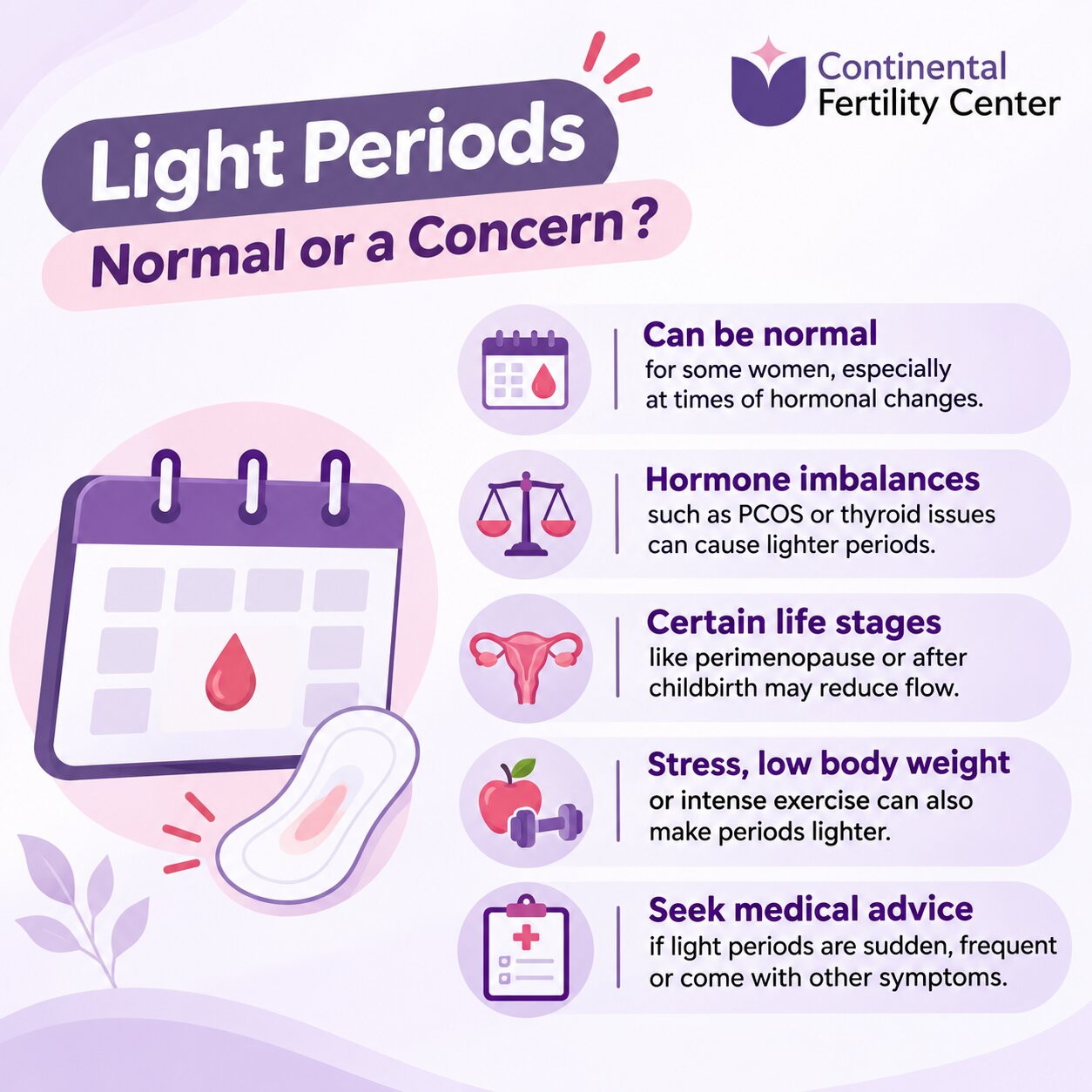
What Are the Major Causes of Light Periods?
There are several things that might influence the quantity of menstrual bleeding. The major causes of light periods include:
1. Hormonal Imbalance
Estrogen and progesterone are some of the hormones that control the menstrual cycle. If these hormones are unbalanced, the development of uterine lining becomes difficult, causing light bleeding.
2. Stress and Changes in Lifestyle
Stress is one of the things that might affect hormones, which control the process of ovulation and menstruation. Rapid changes in sleeping habits, increased exercises, and improper nutrition may cause light periods as well.
3. Unexpected Weight Loss
Weight loss and having very low body weight will negatively affect estrogen production, which will consequently have an effect on ovulation.
4. Thyroid Dysfunction
Thyroid dysfunction, whether hyperthyroidism or hypothyroidism, can influence the pattern of the menstrual cycle. The woman may suffer from light periods, heavy periods, or missed periods due to the presence of a thyroid problem.
5. Polycystic Ovarian Syndrome (PCOS)
PCOS can lead to hormonal imbalances and ovulation problems. Women suffering from PCOS may have irregular periods, delayed periods, or irregular flow of the period.
6. Pregnancy
It is possible for light periods to appear in early pregnancy. In case you experience light periods or late periods and suspect pregnancy, then you should take a pregnancy test.
Does Having Light Periods Influence Your Fertility?
Having light periods does not always indicate fertility issues. However, if you have light periods because of your hormones being off balance or your ovulation cycle being irregular, then having light periods can influence your fertility.
Lower levels of the estrogen hormone can influence the uterus lining, which is necessary for pregnancy.
Those who have continuous light periods and face issues with fertility should seek a consultation from a fertility doctor.
When Do You Need to See a Doctor?
Some changes in your menstrual flow do not require any treatment. However, you need to seek a consultation with a doctor if you have:
- Changes in your regular flow of menstruation
- Irregularity or lack of menstruation
- Problems with getting pregnant
- Unusual pelvic pain
- Such symptoms as excessive hair growth and weight changes
- Spotting during the period
Such signs can help diagnose you with some problems.
What Are The Methods For Diagnosis And Treatment Of Light Periods?
Depending on the symptoms and the patient’s medical history, your doctor can order some tests for you.
It might include:
Hormone tests: For evaluating estrogen, progesterone, thyroid hormones, and other reproductive hormones.
Pelvic ultrasound: To have an examination of the uterus, ovaries, and endometrium.
Pregnancy test: In case of ruling out pregnancy, where applicable.
Assessment of medical history: To analyze the menstrual patterns, changes in the lifestyle, and previous problems with reproduction.
The treatment is based on the cause of the problem.
Why Should You Opt for the Continental Fertility Center?
The selection of a fertility center is an essential aspect when the menstrual changes have started impacting the reproductive health of a woman. The team at Continental Fertility Center in Hyderabad, offers individual fertility diagnosis and treatment according to the specific health requirements of the women.
Continental Hospitals abides by well-defined health care quality and safety standards that are endorsed through JCI accreditation and NABH and QAI accreditations. It ensures:
- Expert services of fertility and reproductive medicine specialists
- Detailed evaluation of hormonal and reproductive health issues
- Modern diagnostic and ultrasound services
- Personalized fertility treatment plan
- Patient-focused counselling and follow-up
- Medical assistance from different medical departments
Continental Fertility Centre strives to offer comprehensive fertility services at Continental Hospitals, one of the most preferred multispecialty healthcare destinations in Hyderabad.
Conclusion
Not every instance of light periods is an indication of any health issue. Nonetheless, any prolonged change in menstrual bleeding could be a result of hormonal issues, thyroid problems, PCOS, and other reproductive disorders. Recognizing the reasons behind light periods and visiting a doctor on time will ensure that you stay healthy in the future.
In case of light menstrual periods, irregular periods, or troubles with conception, visit our best fertility specialist in Hyderabad at Continental Fertility Center, Hyderabad.
Frequently Asked Questions
Light menstrual flow means having less menstrual bleeding than usual during your period. It is also medically known as hypomenorrhea. Some women experience very light bleeding for one or two days. Others may notice only a few spots of blood. Menstrual flow can naturally vary from person to person. Hormonal changes can affect the amount of bleeding. Stress and sudden weight changes may also influence periods. Excessive exercise can sometimes cause lighter menstrual flow. Hormonal contraceptives may reduce menstrual bleeding as well. However, a sudden change in your usual period pattern should not be ignored. If light periods continue for several cycles, medical evaluation may be helpful. A gynaecologist can identify possible underlying causes. Understanding your menstrual pattern helps determine whether treatment is necessary.
A light period can be normal for some women. Menstrual flow differs depending on age, hormones and individual health. Some women naturally experience shorter or lighter periods. Hormonal contraceptives can also make menstrual bleeding lighter. Stress, travel and lifestyle changes may temporarily affect your cycle. However, a sudden reduction in menstrual flow may indicate an underlying issue. Hormonal imbalances can affect the regularity and amount of bleeding. Thyroid disorders may also influence menstrual patterns. Changes in body weight can affect reproductive hormones. If your period becomes unusually light for several months, consult a gynaecologist. Medical evaluation can help identify possible causes. Do not assume that every light period indicates a health problem. Monitoring your menstrual cycle can help you understand changes in your reproductive health.
Light periods can occur due to several physical and hormonal factors. Hormonal imbalance is one possible cause of reduced menstrual bleeding. Low oestrogen levels may affect the development of the uterine lining. Thyroid disorders can also influence menstrual flow. Polycystic Ovary Syndrome may cause irregular menstrual cycles. Sudden weight loss or excessive weight gain can affect hormone production. Intense physical activity may sometimes reduce menstrual bleeding. Emotional stress can also interfere with hormonal regulation. Hormonal birth control methods may naturally make periods lighter. Perimenopause can cause changes in menstrual flow as hormone levels fluctuate. In some cases, uterine scarring may affect menstrual bleeding. Pregnancy-related bleeding can sometimes be mistaken for a light period. Identifying the underlying cause is important for appropriate treatment.
Yes, stress can affect menstrual flow and cycle regularity. The body produces stress hormones when you experience prolonged emotional or physical stress. These hormones can influence the brain signals that regulate reproductive hormones. Changes in hormonal activity may affect ovulation. Irregular ovulation can also change the menstrual cycle. Some women may experience lighter periods during stressful periods. Others may notice delayed or missed periods. Work pressure, sleep disturbances and emotional challenges can contribute to stress. Maintaining a balanced daily routine may support hormonal health. Regular physical activity can help manage stress levels. Getting adequate sleep is also important for reproductive health. However, persistent light periods should not automatically be attributed to stress. Consult a gynaecologist if menstrual changes continue or become concerning.
Light periods do not always indicate fertility problems. Some women with naturally light menstrual flow can conceive without difficulty. However, unusually light periods may sometimes be associated with hormonal imbalances. Low oestrogen levels can affect the development of the uterine lining. Irregular ovulation may also influence the chances of conception. Conditions such as PCOS and thyroid disorders can affect reproductive health. A thin uterine lining may sometimes create challenges during embryo implantation. However, menstrual flow alone cannot determine fertility. Women planning pregnancy should monitor their menstrual cycles. A fertility specialist may recommend hormone tests and ultrasound examinations. These investigations help assess ovarian function and uterine health. Early evaluation can identify conditions that may affect conception. Appropriate treatment depends on the underlying cause. Seeking timely fertility guidance can help support pregnancy planning.
Sometimes, light bleeding can occur during early pregnancy. This bleeding may be related to changes in the reproductive system. Some women experience light spotting around the time their period is expected. However, spotting does not confirm pregnancy. A lighter-than-usual period may also have other hormonal or medical causes. If pregnancy is possible, taking a home pregnancy test is recommended. Testing after a missed period generally provides more reliable results. A blood pregnancy test may help confirm the pregnancy. Bleeding during pregnancy should not automatically be considered normal menstruation. Heavy bleeding, severe abdominal pain or dizziness requires urgent medical attention. A healthcare professional can evaluate the cause of bleeding. Avoid assuming that light bleeding means implantation has occurred. Proper testing is important to understand your pregnancy status.
You should pay attention when your menstrual flow suddenly becomes much lighter than usual. Persistent changes over several menstrual cycles may require medical evaluation. Missing periods along with light spotting should also be assessed. Irregular cycles may indicate hormonal disturbances. Severe pelvic pain or unusual abdominal discomfort should not be ignored. Unexplained weight changes can also be associated with menstrual irregularities. Excessive facial hair or acne may indicate hormonal conditions such as PCOS. If you are trying to conceive, unusual menstrual changes deserve attention. Bleeding during a possible pregnancy should be evaluated by a healthcare professional. Heavy bleeding, severe pain, fainting or dizziness requires urgent medical care. A gynaecologist can recommend appropriate investigations. Early diagnosis helps identify underlying reproductive health concerns. Do not delay consultation when menstrual changes persist.
Treatment for light periods depends on the underlying cause. A gynaecologist may first review your menstrual and medical history. Hormone tests may be recommended to identify hormonal imbalances. Thyroid function tests can help detect thyroid-related problems. An ultrasound may be advised to examine the uterus and ovaries. If stress contributes to menstrual changes, stress management may help. Maintaining a healthy body weight supports hormonal balance. Eating a nutritious and balanced diet is important for reproductive health. Regular moderate exercise can also support overall well-being. Hormonal treatment may be recommended for certain medical conditions. Women with PCOS or thyroid disorders may need condition-specific treatment. Avoid taking hormonal medicines or supplements without medical advice. If you are planning pregnancy, a fertility specialist can guide further evaluation. Individualised treatment can help address the underlying menstrual concern.