
How Exercise Can Improve Your Chances of Conception
Are you trying to conceive and wondering if exercise can improve your chances of pregnancy? The answer is yes. Regular physical activity supports overall reproductive health by improving hormone balance, maintaining a healthy weight, reducing stress, and increasing blood circulation. When combined with healthy eating and medical guidance, exercise can play an important role in your fertility journey. Many couples also include yoga for conception in their daily routine because it supports both physical and emotional well-being.
If you are looking for natural ways to support fertility, yoga for conception is one of the most recommended forms of exercise. It helps relax the mind, improves flexibility, and supports hormonal balance. While exercise alone cannot treat every cause of infertility, it can improve your body's readiness for pregnancy and complement fertility treatments when needed. Understanding the right type of exercise can help you move closer to your dream of becoming a parent.
Can Exercise Really Improve Your Chances of Conception?
Yes. Exercise can improve reproductive health in both women and men. It helps regulate hormones, supports ovulation, improves sperm quality, and reduces stress levels that may interfere with conception.
Women who maintain a healthy lifestyle with regular physical activity often experience better menstrual cycle regulation. Men also benefit from moderate exercise through improved testosterone levels, healthier sperm production, and better overall health.
Adding yoga for conception to your weekly routine can be especially beneficial because it combines gentle movement with breathing exercises that promote relaxation and hormonal balance.
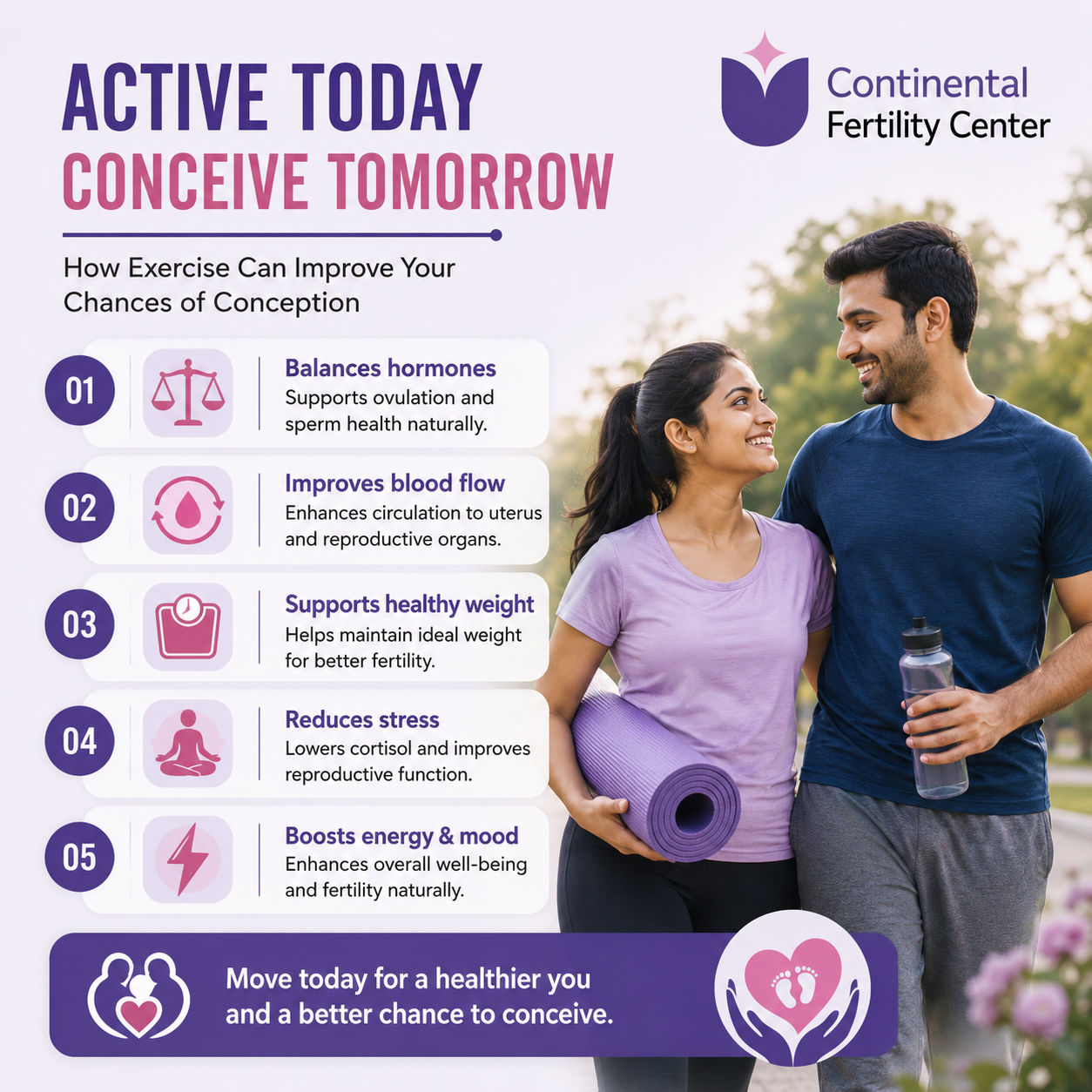
Why Is Yoga for Conception Recommended?
Many fertility specialists recommend yoga for conception because it provides both physical and mental health benefits without placing excessive stress on the body.
Benefits include:
- Reduces stress and anxiety
- Improves blood circulation to reproductive organs
- Supports hormone balance
- Enhances flexibility and posture
- Promotes better sleep
- Encourages mindfulness and emotional well-being
- Helps maintain a healthy body weight
Practicing yoga for conception consistently can become an important part of your overall fertility plan.
Which Exercises Are Best When Trying to Conceive?
Choosing the right exercises is important while trying to conceive.
Some of the best options include:
- Yoga for conception
- Walking
- Swimming
- Cycling at a moderate pace
- Light strength training
- Stretching exercises
- Pilates with professional guidance
These exercises improve cardiovascular health without placing unnecessary strain on the body.
How Does Exercise Support Fertility?
Exercise benefits fertility in several ways.
Maintains a Healthy Weight
Being underweight or overweight may affect ovulation and hormone production. Regular exercise helps maintain a healthy body weight, which supports reproductive health.
Improves Hormonal Balance
Balanced hormones are essential for ovulation and menstrual regularity. Moderate physical activity supports the endocrine system and improves hormone function.
Reduces Stress
Stress can interfere with fertility by affecting hormone levels. Yoga for conception combines movement with breathing techniques that help lower stress hormones naturally.
Boosts Blood Circulation
Healthy blood flow delivers oxygen and nutrients throughout the body, including the reproductive organs, creating a healthier environment for conception.
Improves Sleep Quality
Quality sleep supports hormone production and overall reproductive health. Exercise encourages deeper and more refreshing sleep.
Can Too Much Exercise Affect Fertility?
Yes. While regular movement is beneficial, excessive exercise may reduce fertility in some individuals.
Very intense workouts may:
- Delay ovulation
- Disrupt menstrual cycles
- Lower reproductive hormone levels
- Increase physical stress on the body
Finding the right balance is essential. Fertility specialists often recommend moderate activity instead of high-intensity training while trying to get pregnant.
How Often Should You Practice Yoga for Conception?
Many experts recommend practicing yoga for conception three to five times each week. Sessions lasting thirty to forty-five minutes are generally sufficient.
Consistency matters more than intensity. Gentle daily practice combined with relaxation techniques can provide lasting benefits over time.
Can Exercise Improve Male Fertility?
Absolutely.
Moderate physical activity may help men by:
- Improving sperm quality
- Increasing sperm motility
- Supporting healthy testosterone levels
- Reducing stress
- Improving cardiovascular health
- Maintaining a healthy weight
Couples trying to conceive should view exercise as a shared lifestyle habit that supports both partners.
Can Exercise Improve Egg Quality?
Many women ask how to improve egg quality naturally.
Although age remains the biggest factor affecting egg quality, healthy lifestyle habits can support reproductive health.
Helpful habits include:
- Practicing yoga for conception
- Eating a balanced diet
- Staying physically active
- Sleeping well
- Managing stress
- Avoiding smoking
- Limiting alcohol intake
- Following your fertility specialist's advice
Exercise creates a healthier internal environment that supports overall fertility.
What Lifestyle Habits Can Improve Fertility?
Along with yoga for conception, consider these healthy habits.
- Eat plenty of fruits and vegetables
- Include lean protein and healthy fats
- Stay hydrated
- Maintain a healthy weight
- Sleep seven to eight hours every night
- Reduce stress with meditation or yoga
- Avoid tobacco products
- Limit alcohol consumption
- Keep regular medical checkups
- Follow your fertility treatment plan if advised
Why Choose Continental Fertility Center?
Continental Fertility Center provides comprehensive fertility care with a patient-first approach. Our experienced fertility specialists offer personalized evaluation, advanced diagnostic services, and evidence-based treatment plans designed around every couple's unique needs.
As part of Continental Hospitals, patients receive care in a world-class healthcare environment with internationally recognized standards. Continental Hospitals is accredited by JCI and NABH, reflecting its commitment to patient safety, quality healthcare, and clinical excellence. With advanced technology, experienced specialists, multidisciplinary expertise, and compassionate care, Continental Fertility Center supports couples throughout every stage of their parenthood journey.
When Should You Consult a Fertility Specialist?
You should consider consulting a fertility specialist if:
- You have been trying to conceive for one year without success
- You are over the age of thirty-five and have been trying for six months
- You have irregular or absent menstrual cycles
- You have recurrent pregnancy loss
- You have been diagnosed with infertility
- Your partner has fertility concerns
- You have conditions such as PCOS, endometriosis, or low sperm count
Early evaluation can identify the underlying cause and improve your chances of successful treatment.
Conclusion
Exercise is one of the simplest and most effective lifestyle habits that can support your fertility journey. Whether you choose walking, swimming, or yoga for conception, regular physical activity helps improve hormone balance, reduce stress, maintain a healthy weight, and prepare your body for pregnancy. While exercise alone cannot treat every cause of infertility, it is a valuable part of a healthy fertility plan and works well alongside medical care when needed.
If you are trying to conceive, experiencing infertility, or looking for expert guidance on improving your fertility, consult the fertility specialists in Hyderabad at Continental Fertility Center. Our team provides comprehensive evaluation, personalized treatment, and compassionate care to help you take the next step toward achieving a healthy pregnancy.
Related Blogs:
Frequently Asked Questions
Yes. Regular exercise can naturally improve fertility by supporting overall reproductive health. Moderate physical activity helps maintain a healthy body weight, improves blood circulation to the reproductive organs, and balances hormones involved in ovulation and sperm production. Exercise also reduces stress, which can interfere with fertility by affecting hormone levels. Women with regular exercise habits often experience more consistent menstrual cycles, while men may benefit from improved sperm quality and motility. However, moderation is important because excessive or intense exercise may negatively affect fertility in some individuals. Combining regular physical activity with a balanced diet, adequate sleep, and healthy lifestyle habits offers the greatest benefit. If you have been trying to conceive for several months without success, consult a fertility specialist for personalized guidance.
Moderate-intensity exercises are generally considered the best choice for couples trying to conceive. Activities such as brisk walking, swimming, cycling, yoga, stretching, light jogging, and strength training help improve cardiovascular health and maintain an ideal body weight without placing excessive stress on the body. Yoga and meditation can also reduce anxiety and promote relaxation, which supports reproductive hormone balance. Couples should aim for at least 150 minutes of moderate exercise each week. Extremely intense workouts or prolonged endurance training may affect ovulation in women and reduce sperm quality in men if not balanced with proper nutrition and recovery. A personalized exercise plan recommended by a healthcare professional can provide the best results.
Exercise benefits women by supporting hormonal balance, improving insulin sensitivity, and promoting healthy ovulation. It helps regulate body weight, which is especially important because being underweight or overweight can interfere with menstrual cycles and fertility. Women with conditions such as polycystic ovary syndrome (PCOS) often experience improved ovulation through regular physical activity combined with healthy eating. Exercise also reduces inflammation, improves blood flow to the uterus and ovaries, and lowers stress hormones that may affect conception. Better sleep and improved emotional well-being are additional benefits that support reproductive health. Maintaining consistency with moderate exercise is more effective than occasional intense workouts for improving fertility outcomes.
Yes. Regular physical activity can significantly improve male reproductive health by enhancing sperm count, motility, and overall sperm quality. Exercise supports healthy testosterone production, improves blood circulation, and reduces obesity-related hormonal imbalances that may impair fertility. It also lowers stress levels and decreases inflammation, both of which can positively influence reproductive function. Moderate aerobic exercise and resistance training are particularly beneficial when performed consistently. However, excessive endurance training or the misuse of anabolic steroids can negatively affect sperm production and hormone balance. Men planning for pregnancy should combine regular exercise with a nutritious diet, adequate sleep, smoking cessation, and limited alcohol consumption for optimal fertility.
Yes. Both excess body weight and being underweight can reduce fertility in men and women. Obesity may disrupt hormone production, interfere with ovulation, reduce egg quality, and increase the risk of pregnancy complications. In men, excess weight can lower testosterone levels and negatively affect sperm quality. Being underweight can also cause irregular menstrual cycles or prevent ovulation altogether due to insufficient hormone production. Regular exercise combined with healthy nutrition helps achieve and maintain an ideal weight, creating a healthier environment for conception. Sustainable lifestyle changes are more effective than rapid weight-loss methods. If weight-related fertility issues persist, professional evaluation and guidance from a fertility specialist are recommended.
Yes. While moderate exercise supports fertility, excessive or high-intensity workouts without adequate nutrition and recovery may negatively affect reproductive health. In women, excessive exercise can disrupt hormonal balance, delay ovulation, or stop menstrual periods altogether. In men, prolonged intense endurance training may reduce testosterone levels and affect sperm quality. The goal should be consistency rather than intensity. Listening to your body, allowing sufficient recovery, staying hydrated, and maintaining balanced nutrition are essential for protecting fertility. If you participate in competitive sports or intensive training and are experiencing difficulty conceiving, discussing your exercise routine with a fertility specialist can help determine appropriate modifications.
Most healthcare experts recommend at least 150 minutes of moderate-intensity exercise each week for adults trying to conceive. This can be achieved through activities such as brisk walking, cycling, swimming, yoga, or light strength training spread across most days of the week. Consistency is more beneficial than occasional intense workouts. Including flexibility exercises and stress-relieving activities such as yoga or meditation can further support reproductive health. Adequate rest, proper hydration, balanced nutrition, and quality sleep should complement the exercise routine. Couples with existing medical conditions or fertility concerns should consult their healthcare provider before beginning a new fitness program.
Exercise is an important part of a healthy lifestyle, but it cannot treat every cause of infertility. Couples should seek medical evaluation if they have been trying to conceive for 12 months without success, or after 6 months if the woman is over 35 years of age. Women with irregular periods, PCOS, endometriosis, recurrent miscarriages, or known reproductive disorders should also seek timely evaluation. Men with low sperm count, previous testicular problems, or hormonal disorders should undergo fertility assessment as well. Early diagnosis allows appropriate treatment and improves the chances of successful conception. A fertility specialist can recommend investigations and personalized treatment based on each couple's unique needs.