
Varicocele: A Treatable Cause of Male Infertility
Planning for a family is an exciting journey, but for some couples, conception may take longer than expected. While female fertility often receives more attention, male fertility plays an equally important role. One of the most common yet treatable causes of Male Infertility is Varicocele. Many men are unaware they have this condition until they undergo a fertility evaluation.
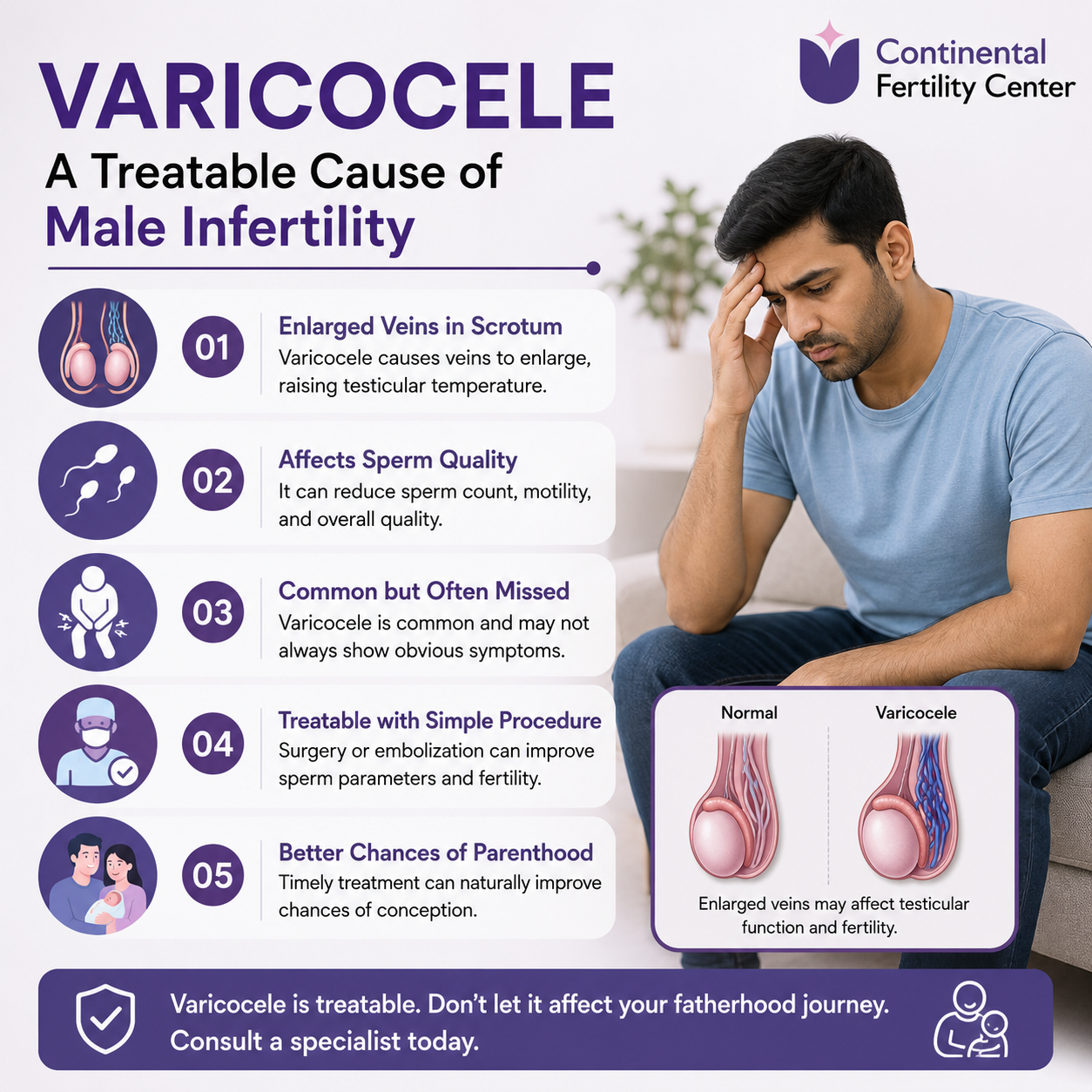
Varicocele is a condition in which the veins inside the scrotum become enlarged, similar to varicose veins in the legs. This can affect blood circulation, increase the temperature around the testicles, and interfere with healthy sperm production. The good news is that Varicocele Treatment is available, and many men experience significant improvement in fertility after receiving the right care. Early diagnosis and timely treatment can make a meaningful difference for couples trying to conceive.
What Is Varicocele?
Varicocele is the abnormal enlargement of veins within the scrotum that drain blood from the testicles. It is one of the leading causes of reduced sperm quality and male infertility. Although some men have no symptoms, others may notice discomfort or changes in the size of the scrotum.
This condition usually develops during adolescence and is more commonly found on the left side. However, it can affect both sides in some cases.
Why Does Varicocele Affect Male Fertility?
Healthy sperm production depends on maintaining the right temperature around the testicles. When a varicocele develops, blood collects in the enlarged veins instead of flowing efficiently. This increases the temperature inside the scrotum and may damage sperm production.
Varicocele and Male Infertility and depression are closely connected because the condition can:
- Reduce sperm count
- Lower sperm motility
- Affect sperm shape and quality
- Increase oxidative stress that damages sperm cells
- Reduce testosterone production in some men
These changes can reduce the chances of natural conception.
What Causes Varicocele?
The exact cause of varicocele is not always known. Experts believe it occurs when the valves inside the veins do not function properly, causing blood to flow backward and collect in the veins.
Possible contributing factors include:
- Faulty vein valves
- Poor blood circulation
- Increased pressure in the veins
- Genetic factors
- Normal growth during puberty
Although it is not always preventable, early diagnosis helps protect fertility.
What Are the Symptoms of Varicocele?
Many men with varicocele have no noticeable symptoms. In other cases, the condition may cause the following:
- Dull or aching pain in the scrotum
- Swollen or enlarged veins
- Feeling of heaviness in the scrotum
- One testicle appearing smaller than the other
- Fertility problems during family planning
If you experience these symptoms, consult a fertility specialist for evaluation.
How Is Varicocele Diagnosed?
Diagnosing varicocele is usually straightforward. A fertility specialist will review your medical history and perform a physical examination. Additional tests may include:
- Scrotal ultrasound
- Semen analysis
- Hormone testing
- Testicular examination
These tests help determine whether varicocele is affecting fertility and identify the most suitable treatment plan.
Can Varicocele Be Treated?
Yes. Varicocele treatment is highly effective for many men, particularly those experiencing infertility or persistent discomfort.
Treatment options include the following:
Observation
If the condition causes no symptoms and fertility is not affected, regular monitoring may be recommended.
Microsurgical Varicocelectomy
This is considered one of the most effective treatments. The surgeon closes the affected veins while preserving healthy blood vessels. It offers excellent success rates with faster recovery.
Laparoscopic Surgery
In selected cases, minimally invasive laparoscopic surgery may be recommended.
Percutaneous Embolization
This nonsurgical procedure blocks the abnormal veins using a catheter, restoring healthy blood flow.
Your fertility specialist will recommend the most appropriate varicocele treatment based on your condition.
Can Fertility Improve After Varicocele Treatment?
Yes. Many studies have shown that treating varicocele can improve sperm quality and increase the chances of natural pregnancy.
Potential benefits include the following:
- Improved sperm count
- Better sperm movement
- Healthier sperm structure
- Improved testosterone levels in some men
- Increased chances of successful conception
While results vary between individuals, many couples experience improved fertility after treatment.
When Should You See a Fertility Specialist?
Seek medical advice if you experience:
- Difficulty conceiving after one year of regular unprotected intercourse
- Pain or swelling in the scrotum
- Visible enlarged veins
- Abnormal semen analysis results
- Reduced testicular size
- Concerns about Male Infertility
Early evaluation allows timely treatment and better reproductive outcomes.
Why Choose Continental Fertility Center?
Choosing the right fertility center is essential when dealing with varicocele and male infertility. At Continental Fertility Center, patients receive comprehensive evaluation and personalized treatment from experienced fertility specialists.
Why patients trust us:
- Expert fertility specialists and experienced urologists
- Advanced diagnostic facilities for Male Infertility
- Modern microsurgical techniques for Varicocele Treatment
- Individualized fertility care plans
- Patient-centered approach with compassionate care
- Multidisciplinary team for complete reproductive health support
- Backed by Continental Hospitals, accredited by JCI, NABH, and QAI, reflecting internationally recognized standards for patient safety and clinical excellence
- Trusted as one of the best hospitals in Hyderabad for advanced fertility care
Our team focuses on identifying the root cause of infertility and providing evidence-based treatment that supports better reproductive health.
Conclusion
Varicocele is one of the most common and treatable causes of male infertility. Ignoring symptoms or delaying evaluation can affect sperm health and reduce the chances of conception. Fortunately, timely diagnosis and appropriate varicocele treatment can significantly improve fertility outcomes for many men.
If you are experiencing symptoms of varicocele, have concerns about male infertility, or are planning to start a family without success, consult the fertility specialists in Hyderabad at Continental Fertility Center. Our expert team provides advanced diagnosis, personalized treatment, and comprehensive fertility care to help you take the next step toward parenthood with confidence.
Frequently Asked Questions
A varicocele is an enlargement of the veins inside the scrotum, similar to varicose veins that occur in the legs. It develops when the valves inside these veins do not function properly, causing blood to pool. This increased blood flow raises the temperature around the testicles, which can interfere with healthy sperm production. Over time, it may reduce sperm count, decrease sperm movement, and affect sperm shape. Varicocele is one of the most common treatable causes of male infertility. Many men with a varicocele have no symptoms, making regular fertility evaluation important when pregnancy is delayed. Early diagnosis and appropriate treatment can improve sperm quality and increase the chances of natural conception.
Many men with a varicocele do not notice any symptoms, especially in the early stages. However, some may experience a dull or aching pain in the scrotum that worsens after standing or physical activity. A feeling of heaviness or discomfort in the testicles is also common. In some cases, one testicle may appear smaller than the other because of reduced blood supply. Enlarged or twisted veins may be visible or feel like a 'bag of worms' during a physical examination. Difficulty conceiving may be the first sign that leads to diagnosis. If you experience persistent scrotal pain, swelling, or fertility concerns, consult a urologist for evaluation.
A varicocele is usually diagnosed through a detailed medical history and physical examination by a urologist. During the examination, the doctor may ask you to stand and perform a Valsalva maneuver, which helps identify enlarged veins. If the diagnosis is unclear, a scrotal ultrasound is recommended to confirm the condition and assess blood flow. Men facing infertility may also undergo semen analysis to evaluate sperm count, motility, and morphology. Hormone tests may be advised in selected cases. Accurate diagnosis helps determine whether treatment is necessary. Early detection can prevent further damage to sperm production and improve fertility outcomes.
Not every varicocele requires surgery. Men who have no pain, normal fertility, and no signs of testicular damage may only need regular monitoring. Mild discomfort can often be managed with supportive underwear, avoiding prolonged standing, and using pain-relieving medications as advised by a doctor. However, if the varicocele affects sperm quality, causes chronic pain, or leads to shrinking of the testicle, surgery is usually recommended. Lifestyle changes alone cannot correct the enlarged veins. A urologist will recommend the most appropriate treatment based on symptoms, fertility goals, and examination findings.
Yes, varicocele surgery has been shown to improve fertility in many men. The procedure blocks abnormal veins, allowing blood to flow through healthy veins instead. This helps lower the temperature around the testicles and creates a healthier environment for sperm production. Many men experience improvements in sperm count, movement, and overall sperm quality within three to six months after surgery. While results vary from person to person, treatment significantly increases the chances of natural conception in suitable patients. Your urologist may recommend repeat semen analysis after recovery to monitor improvement.
Treatment is generally recommended for men who have infertility with abnormal semen analysis, persistent scrotal pain, testicular shrinkage, or adolescents showing reduced testicular growth. Men planning to start a family may also benefit if a varicocele is affecting sperm quality. Not everyone with a varicocele requires intervention, especially if there are no symptoms or fertility concerns. A specialist will consider your age, symptoms, fertility goals, physical examination, and investigation results before recommending treatment. Early intervention in appropriate cases may help preserve fertility and prevent further testicular damage.
Recovery after varicocele surgery is generally quick, and most patients return home the same day. Mild pain, swelling, or bruising around the surgical area is common during the first few days and usually improves with medication and rest. Most men can return to desk work within a few days, while strenuous exercise and heavy lifting should be avoided for about two weeks or as advised by the surgeon. Semen quality typically begins improving within three to six months because sperm production takes time. Follow-up appointments help monitor healing and evaluate fertility improvement.
You should consult a urologist if you notice scrotal pain, swelling, enlarged veins, a difference in testicle size, or if you have been trying to conceive for more than a year without success. Early evaluation is especially important if semen analysis shows abnormalities or if discomfort interferes with daily activities. Prompt diagnosis allows timely treatment before long-term damage to sperm production occurs. A comprehensive examination, ultrasound, and fertility assessment can determine whether the varicocele is affecting your reproductive health. Seeking medical advice early offers the best chance for successful treatment and improved fertility.