
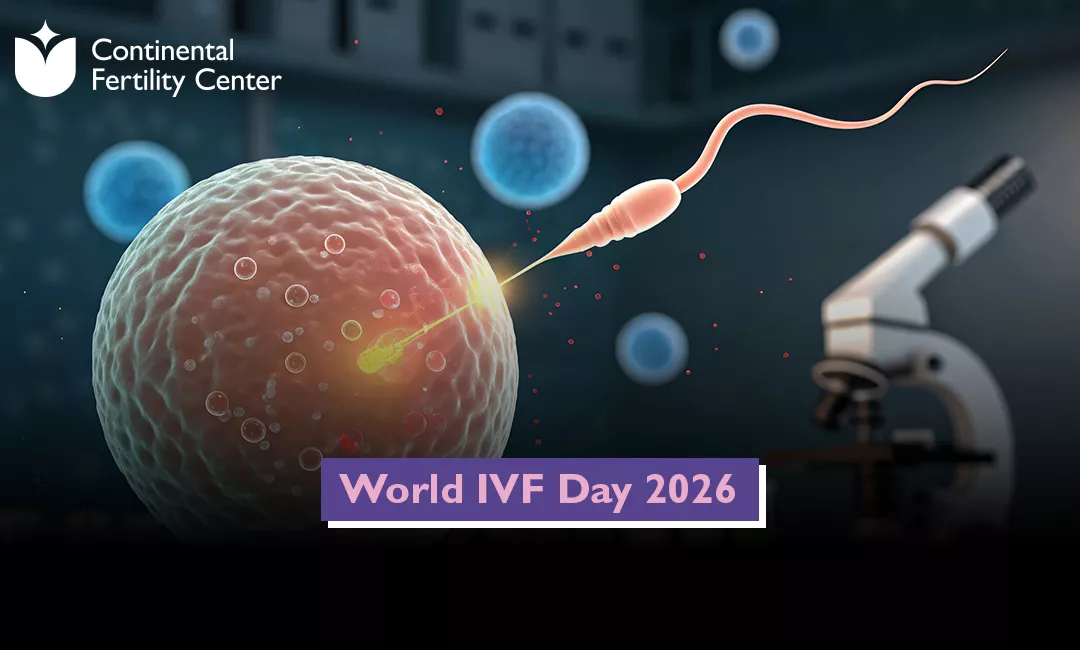
World IVF Day 2026
World IVF Day 2026 is a meaningful occasion that celebrates the remarkable progress in fertility care and gives hope to millions of couples and individuals dreaming of becoming parents. Observed every year on July 25, World IVF Day raises fertility awareness, encourages early diagnosis of fertility concerns, and highlights how modern IVF treatment has transformed countless lives through science and compassionate care.
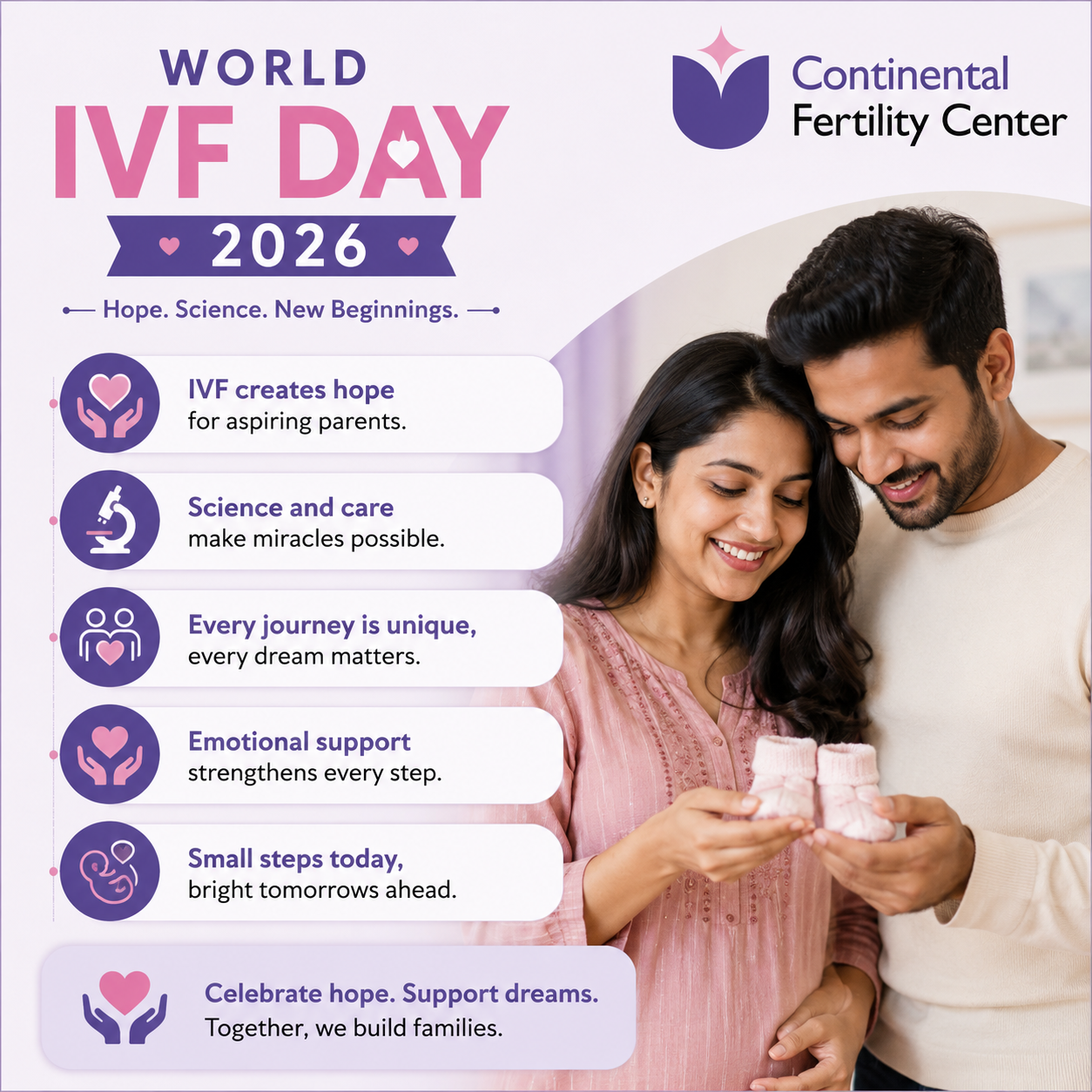
The theme for World IVF Day 2026, "Making Parenthood Possible: Science, Hope, and You," reminds us that every fertility journey is unique. With advanced medical technology, experienced IVF specialists, and personalized fertility treatment, many people who once believed parenthood was impossible are now welcoming healthy babies. Understanding fertility challenges and seeking timely medical advice can make a significant difference in treatment outcomes.
What is World IVF Day 2026?
World IVF Day 2026 commemorates the birth of the world's first baby conceived through in vitro fertilization (IVF). This milestone revolutionized reproductive medicine and created new possibilities for couples facing infertility.
Today, World IVF Day is observed globally to:
- Increase fertility awareness
- Educate people about infertility
- Encourage early fertility evaluation
- Reduce stigma around fertility treatment
- Celebrate medical advancements in reproductive health care.
This special day reminds everyone that infertility is a medical condition, not a personal failure, and that effective treatment options are available.
What is IVF treatment?
IVF treatment, also known as in vitro fertilization, is an advanced fertility procedure in which an egg and sperm are fertilized in a specialized laboratory. Once a healthy embryo develops, it is carefully transferred into the uterus to achieve pregnancy.
IVF is recommended when natural conception becomes difficult due to medical reasons affecting either partner or when other fertility treatments have not been successful.
Who Can Benefit from IVF Treatment?
Many individuals and couples can benefit from fertility treatment through IVF.
IVF may be recommended for:
- Blocked or damaged fallopian tubes
- Male infertility factors
- Ovulation disorders
- Endometriosis
- Unexplained infertility
- Low ovarian reserve
- Age-related fertility decline
- Previous unsuccessful fertility treatments
- Genetic conditions requiring embryo screening
Early consultation with experienced IVF specialists helps identify the most suitable treatment plan.
Why is Fertility Awareness Important?
Many people assume pregnancy will happen naturally whenever they decide to start a family. However, fertility changes with age and certain medical conditions may affect reproductive health.
Fertility awareness helps people:
- Understand reproductive health
- Recognize early warning signs
- Seek timely medical advice
- Improve lifestyle habits
- Plan pregnancy with confidence
- Reduce unnecessary delays in treatment
Awareness empowers individuals to make informed decisions about their reproductive future.
What Affects IVF Success Rates?
Many patients ask, "What improves IVF success rates?"
Several factors influence treatment outcomes.
Important factors include:
- Age of the woman
- Egg quality
- Sperm quality
- Overall reproductive health
- Underlying medical conditions
- Healthy lifestyle
- Laboratory technology
- Experience of IVF specialists
- Individualized treatment protocols
Every fertility journey is different. A personalized approach often provides the best opportunity for successful treatment.
How Has Modern IVF Improved?
Today's IVF treatment is more advanced than ever before.
Modern fertility care now offers:
- Advanced embryo culture techniques
- High-quality laboratory systems
- Improved embryo selection
- Better fertility preservation options
- Genetic testing when medically indicated
- Personalized stimulation protocols
- Enhanced patient monitoring
- Comprehensive fertility counselling
These innovations continue to improve patient care and overall treatment experiences.
Why Choose Continental Fertility Center?
Choosing the right fertility center is one of the most important decisions during your parenthood journey.
At Continental Fertility Center, patients receive compassionate, evidence-based care supported by advanced reproductive technology and experienced fertility experts.
Why do families trust Continental Fertility Center?
- Experienced IVF specialists
- Personalized fertility treatment plans
- Advanced IVF laboratory facilities
- Modern reproductive technology
- Comprehensive infertility evaluation
- Ethical and transparent patient care
- Multidisciplinary medical support
- Patient-focused counselling throughout treatment
Continental Fertility Center is part of Continental Hospitals, one of the leading healthcare institutions in Hyderabad. The hospital is internationally recognized with JCI accreditation and is also NABH accredited, reflecting its commitment to global standards of patient safety, quality healthcare, clinical excellence, and continuous improvement. Patients benefit from advanced medical infrastructure, experienced specialists, and integrated healthcare services under one roof.
How Can You Support World IVF Day 2026?
Everyone can contribute to spreading fertility awareness.
You can:
- Learn about infertility
- Encourage open conversations
- Support families undergoing treatment
- Share reliable health information
- Promote early fertility evaluation
- Inspire hope through awareness
Together, we can help remove misconceptions surrounding infertility and create a more supportive community.
Conclusion
World IVF Day 2026 celebrates the remarkable achievements of reproductive medicine while giving hope to millions of aspiring parents worldwide. Every fertility journey is unique, but with the right guidance, timely diagnosis, and advanced IVF treatment, many families can successfully achieve their dream of parenthood.
The theme, "Making Parenthood Possible: Science, Hope, and You," reminds us that science continues to create new opportunities, hope strengthens every journey, and expert medical care can make all the difference. If you have been trying to conceive without success, do not delay seeking professional advice. Early evaluation often opens the door to more effective treatment options and better outcomes.
Are you facing difficulty in conceiving naturally? Have you been trying for pregnancy without success? Are you looking for trusted fertility treatment from experienced IVF specialists?
Consult our best fertility specialist in Hyderabad at Continental Fertility Center, Hyderabad. Our experienced reproductive medicine specialists provide comprehensive fertility evaluation, personalized IVF treatment, advanced in vitro fertilization techniques, and compassionate care designed around your individual needs. Take the first step toward parenthood with confidence and expert guidance at one of the best hospitals in Hyderabad.
Frequently Asked Questions
World IVF Day is observed every year on July 25 to celebrate the remarkable achievements of in vitro fertilization (IVF) and raise awareness about fertility treatments. The day marks the birth of the world's first IVF baby, Louise Brown, in 1978. It recognizes the hope that assisted reproductive technologies have brought to millions of couples facing infertility. World IVF Day also aims to educate people about fertility health, early diagnosis, and available treatment options. It encourages open conversations about infertility to reduce stigma and misinformation. Fertility specialists use this occasion to spread awareness about reproductive health and the importance of timely medical intervention. The day highlights continuous advancements in reproductive medicine that have improved success rates and patient outcomes. It reminds couples that infertility is a medical condition that can often be treated with expert care. Overall, World IVF Day celebrates science, hope, and the joy of parenthood for families worldwide.
In vitro fertilization (IVF) is an advanced fertility treatment that helps couples conceive when natural pregnancy is difficult. During IVF, a woman's ovaries are stimulated with fertility medications to produce multiple eggs. These eggs are carefully retrieved and combined with sperm in a specialized laboratory. Fertilization takes place under controlled conditions, allowing embryos to develop for several days. The healthiest embryo is then selected and transferred into the uterus. If implantation is successful, pregnancy begins naturally within the uterus. Additional healthy embryos may be frozen for future use. IVF is recommended for several infertility conditions, including blocked fallopian tubes, male infertility, ovulation disorders, endometriosis, and unexplained infertility. The treatment plan is personalized according to each couple's medical history and fertility needs.
IVF may be recommended for couples who have been unable to conceive despite trying naturally for an extended period. Women with blocked or damaged fallopian tubes often benefit from IVF because fertilization occurs outside the body. Men with low sperm count, poor sperm motility, or other fertility challenges may also be suitable candidates. IVF is commonly advised for women with endometriosis, ovulation disorders, or reduced ovarian reserve. Couples experiencing unexplained infertility may achieve pregnancy through IVF after other treatments have failed. Individuals with genetic disorders may use IVF with genetic testing to reduce the risk of passing inherited conditions. Women planning fertility preservation before cancer treatment may also choose IVF for egg or embryo freezing. A fertility specialist evaluates age, medical history, fertility tests, and overall health before recommending the most appropriate treatment.
Several factors influence the success of IVF treatment, with maternal age being one of the most important. Women under the age of 35 generally have higher success rates because of better egg quality. The quality of sperm and embryos also plays a significant role in achieving pregnancy. Lifestyle habits such as smoking, excessive alcohol consumption, obesity, and unmanaged stress may negatively affect outcomes. Underlying medical conditions including endometriosis, polycystic ovary syndrome (PCOS), thyroid disorders, and uterine abnormalities can impact success. The expertise of the fertility specialist and the quality of the IVF laboratory are equally important. Following prescribed medications, maintaining a healthy lifestyle, and attending regular follow-up appointments improve the chances of success. Each couple is unique, and individualized treatment planning helps maximize pregnancy outcomes.
IVF is considered a safe and well-established fertility treatment that has helped millions of families worldwide. The medications used during IVF are carefully monitored to minimize potential risks. Egg retrieval is a minimally invasive procedure performed under expert medical supervision. Most pregnancies achieved through IVF progress similarly to naturally conceived pregnancies. In certain situations, IVF pregnancies may require closer monitoring, particularly in women with underlying medical conditions or advanced maternal age. Modern IVF techniques have significantly improved safety and reduced complications. Single embryo transfer has also lowered the chances of multiple pregnancies in many patients. Babies born through IVF generally have normal growth and development. Regular prenatal care and guidance from experienced fertility specialists contribute to healthy pregnancy outcomes for both mother and baby.
Healthy lifestyle habits can positively influence fertility and improve the chances of IVF success. Eating a balanced diet rich in fruits, vegetables, whole grains, lean proteins, and healthy fats supports reproductive health. Maintaining a healthy body weight can improve hormone balance and ovulation. Regular moderate exercise helps overall wellness but excessive workouts should be avoided during treatment. Quitting smoking and limiting alcohol consumption are strongly recommended before starting IVF. Managing stress through relaxation techniques, meditation, or counseling may provide emotional support during treatment. Adequate sleep and staying hydrated also contribute to better overall health. Couples should follow their fertility specialist's advice regarding medications, supplements, and lifestyle modifications. Small healthy changes before and during IVF can support better treatment outcomes.
Preparing for IVF begins with a comprehensive fertility evaluation for both partners. Doctors may recommend blood tests, ultrasound scans, semen analysis, and other diagnostic investigations before treatment. Patients should discuss their complete medical history, medications, and previous pregnancies with the fertility specialist. Following a healthy diet, exercising moderately, and maintaining an ideal weight are encouraged before starting IVF. Smoking, alcohol, and recreational drugs should be avoided as they may affect fertility. Taking prescribed vitamins, including folic acid when advised, supports reproductive health. Couples should also prepare emotionally by understanding each step of the treatment process and discussing expectations with their healthcare team. Maintaining regular communication with the fertility clinic helps ensure timely appointments and successful treatment planning.
Continental Fertility Centre offers comprehensive fertility care with personalized treatment plans designed for every couple. The center combines experienced fertility specialists, advanced reproductive technology, and modern laboratory facilities to provide high-quality IVF services. Every patient receives thorough fertility evaluation, individualized counseling, and compassionate support throughout the treatment journey. The team follows evidence-based medical protocols to optimize treatment outcomes while prioritizing patient safety. Advanced diagnostic services, fertility preservation options, and minimally invasive procedures are available under one roof. Transparent communication and patient-centered care help couples make informed decisions at every stage. The center focuses on delivering ethical, high-quality fertility care while supporting patients emotionally and medically. With a commitment to excellence and compassionate care, Continental Fertility Centre strives to help couples achieve their dream of parenthood.