
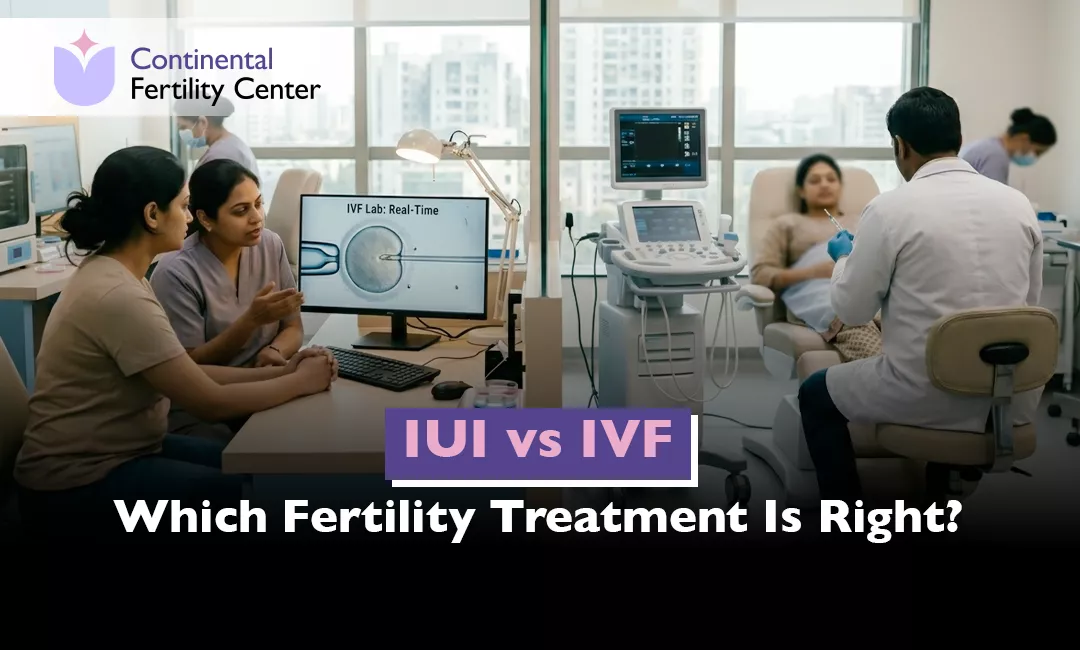
IUI vs IVF: Which Fertility Treatment Is Right
Embarking on the journey to parenthood is a deeply personal and transformative experience. When natural conception takes longer than expected, modern medicine offers incredible pathways to help you achieve your dream of starting a family. Two of the most common and effective procedures are Intrauterine Insemination (IUI) and In Vitro Fertilization (IVF). Understanding the nuances of IUI vs IVF is the first step toward making an informed decision that aligns with your health needs and reproductive goals.
Understanding the Basics: What is IUI?
Intrauterine insemination, often referred to as artificial insemination, is a relatively simple fertility treatment. During this process, specially prepared and concentrated sperm is placed directly into the uterus around the time of ovulation. By bypassing the cervix and reducing the distance the sperm must travel to reach the egg, IUI increases the chances of fertilization.
This method is often recommended for couples dealing with mild male factor infertility, unexplained infertility, or cervical mucus issues. It is a less invasive procedure compared to other fertility treatments and is frequently the first line of intervention because it closely mimics the natural conception process within the body.
What is IVF?
In vitro fertilization is a more complex and highly successful form of assisted reproductive technology. Unlike IUI, where fertilization happens inside the woman's body, IVF involves retrieving eggs from the ovaries and fertilizing them with sperm in a specialized laboratory. Once fertilization occurs, the resulting embryo is monitored for several days before being transferred back into the uterus.
IVF is highly effective for a wide range of fertility challenges, including blocked fallopian tubes, severe male factor infertility, advanced maternal age, and polycystic ovary syndrome (PCOS). Because it allows for the direct observation of embryos and even genetic testing, it offers a higher degree of control over the conception process.
Comparing the Procedures: IUI vs IVF
When comparing IUI vs IVF, several factors come into play, including the complexity of the procedure, the health of the parents, and the specific causes of infertility.
The Complexity of Treatment
IUI is a straightforward procedure that usually requires minimal medication. It involves tracking the menstrual cycle and performing the insemination in a quick office visit. In contrast, IVF is a multi-step process involving hormone injections to stimulate the ovaries, a minor surgical procedure for egg retrieval, laboratory fertilization, and embryo transfer.
The Success Rates
In the discussion of IUI vs IVF, success rates are a major consideration. Generally, IVF has a significantly higher success rate per cycle than IUI. While IUI success depends heavily on the woman's age and the quality of the sperm, IVF provides a more robust solution for complex cases where other treatments may have failed.
The Timeline
An IUI cycle is relatively short and follows the natural rhythm of the woman’s cycle. An IVF cycle can take several weeks from the start of medication to the final embryo transfer. However, because IVF is more likely to result in pregnancy in fewer attempts, the overall time to achieve a successful pregnancy might be shorter for some patients.
Why Choose the Continental Fertility Center?
Choosing the right partner for your fertility journey is essential. Continental Fertility Centre stands out as a premier destination for reproductive health, offering a blend of advanced technology and compassionate care.
- Global Accreditations: Continental Hospitals is proud to be a JCI-accredited facility, ensuring that our clinical protocols and patient safety measures meet international gold standards. We are also NABH accredited, which reflects our commitment to quality healthcare delivery in India.
- Cutting-Edge Laboratory: Our fertility center is equipped with a state-of-the-art embryology lab, providing the controlled environment necessary for successful IVF and advanced embryo monitoring.
- Multidisciplinary Expertise: We believe in a holistic approach. Our fertility specialists work closely with nutritionists, counselors, and endocrinologists to ensure every aspect of your health is optimized for conception.
- Personalized Care: No two journeys are the same. We provide tailored treatment plans that prioritize the least invasive options first, ensuring you receive the care that is precisely right for you.
Key Factors to Consider for Your Treatment
Deciding between IUI vs IVF requires a thorough evaluation by a specialist. Here are some factors that will influence the recommendation:
- Fallopian Tube Health: If the tubes are blocked or damaged, IVF is the necessary path, as it bypasses the tubes entirely.
- Sperm Quality: For cases with very low sperm count or motility, IVF with ICSI (Intracytoplasmic Sperm Injection) is often more effective than IUI.
- Age Factor: Women over the age of 35 may find higher success rates with IVF due to its ability to select the healthiest embryos.
- Previous History: If multiple IUI cycles have not resulted in pregnancy, transitioning to IVF is often the next logical step.
Common Questions About Fertility Treatments
Is the IUI procedure painful?
Most women describe IUI as being similar to a Pap smear. There might be some mild cramping during the procedure, but it is generally quick and does not require anesthesia.
What happens during IVF egg retrieval?
Egg retrieval is performed under light sedation. A specialist uses ultrasound guidance to collect the eggs from the follicles. While you may feel some bloating or pressure afterward, the recovery is usually very rapid.
How many IUI cycles should we try before moving to IVF?
Most specialists recommend trying three to four cycles of IUI. If pregnancy is not achieved within this timeframe, the statistical likelihood of IUI working decreases, making IVF a more viable option.
The Success Path at Continental
Our success is measured by the families we help build. By integrating world-class technology with a patient-centric approach, we ensure that you are supported at every step. From your initial consultation and diagnostic testing to the final stages of your fertility treatment, our team is dedicated to providing clarity, comfort, and clinical excellence.
Conclusion
Navigating the choices of IUI vs IVF can feel overwhelming, but you do not have to do it alone. Whether IUI is the right first step for you or IVF offers the best chance of success, the goal remains the same: a healthy pregnancy and a happy beginning for your family. At Continental Fertility Centre, we combine our international accreditations with a deep understanding of individual patient needs to provide the best fertility treatment options available.
If you suffer from infertility or have been struggling to conceive for over a year, it is time to seek expert guidance. Early intervention can make a significant difference in your reproductive outcomes. We invite you to schedule a consultation with our experienced team to explore your options and take the next step toward parenthood.
Consult our fertility specialist in Hyderabad at Continental Fertility Centre today to begin your journey.
Related Blog Topics:
Frequently Asked Questions
Intrauterine Insemination (IUI) is a fertility treatment where washed and concentrated sperm is directly placed into the uterus during ovulation to increase the chances of fertilization.
In Vitro Fertilization (IVF) involves retrieving eggs and fertilizing them with sperm in a laboratory. The resulting embryo is then transferred into the uterus, making it more advanced than IUI.
IVF generally has higher success rates compared to IUI, especially in cases of severe infertility, advanced maternal age, or blocked fallopian tubes.
IUI is suitable for couples with mild male factor infertility, unexplained infertility, or cervical mucus issues, and women with regular ovulation.
IVF is recommended for women with blocked fallopian tubes, severe male infertility, endometriosis, or when multiple IUI cycles have failed.
Yes, IUI is generally more affordable than IVF because it is less complex and requires fewer medications and procedures.
Most doctors recommend trying 3 to 6 IUI cycles before moving to IVF, depending on the patient’s age and fertility condition.
Both treatments carry some risks such as multiple pregnancies and mild side effects from fertility medications. IVF may have slightly higher risks due to its invasive nature.