
.webp)
Low Hemoglobin in Women: Can Anemia Affect Fertility and Pregnancy?
Low hemoglobin in women is a common health concern, particularly among women who experience heavy menstrual bleeding, have increased nutritional requirements, or do not get enough iron through their diet. Hemoglobin carries oxygen throughout the body, so when levels become low, women may experience tiredness, weakness, dizziness, headaches, or shortness of breath. But can low hemoglobin also affect fertility and pregnancy?
The answer depends on the underlying cause and severity of anemia. Iron deficiency anemia is particularly important to identify before conception and during pregnancy. Addressing low hemoglobin early can support overall health and help prepare the body for a healthy pregnancy. If you are planning pregnancy or experiencing anemia symptoms, medical evaluation can help identify the cause and guide appropriate treatment.
What Does Low Hemoglobin Mean in Women?
Low hemoglobin means the blood has less hemoglobin than the expected healthy range. One of the most common causes is iron deficiency anemia, which occurs when the body does not have enough iron to produce adequate hemoglobin.
Common iron deficiency anemia symptoms include:
- Persistent tiredness or weakness
- Pale skin
- Headaches or dizziness
- Shortness of breath
- Feeling unusually cold
- Reduced concentration
- Fast heartbeat in more significant anemia
Heavy menstrual bleeding, inadequate iron intake, certain nutritional deficiencies, and some chronic health conditions can contribute to low hemoglobin in women.
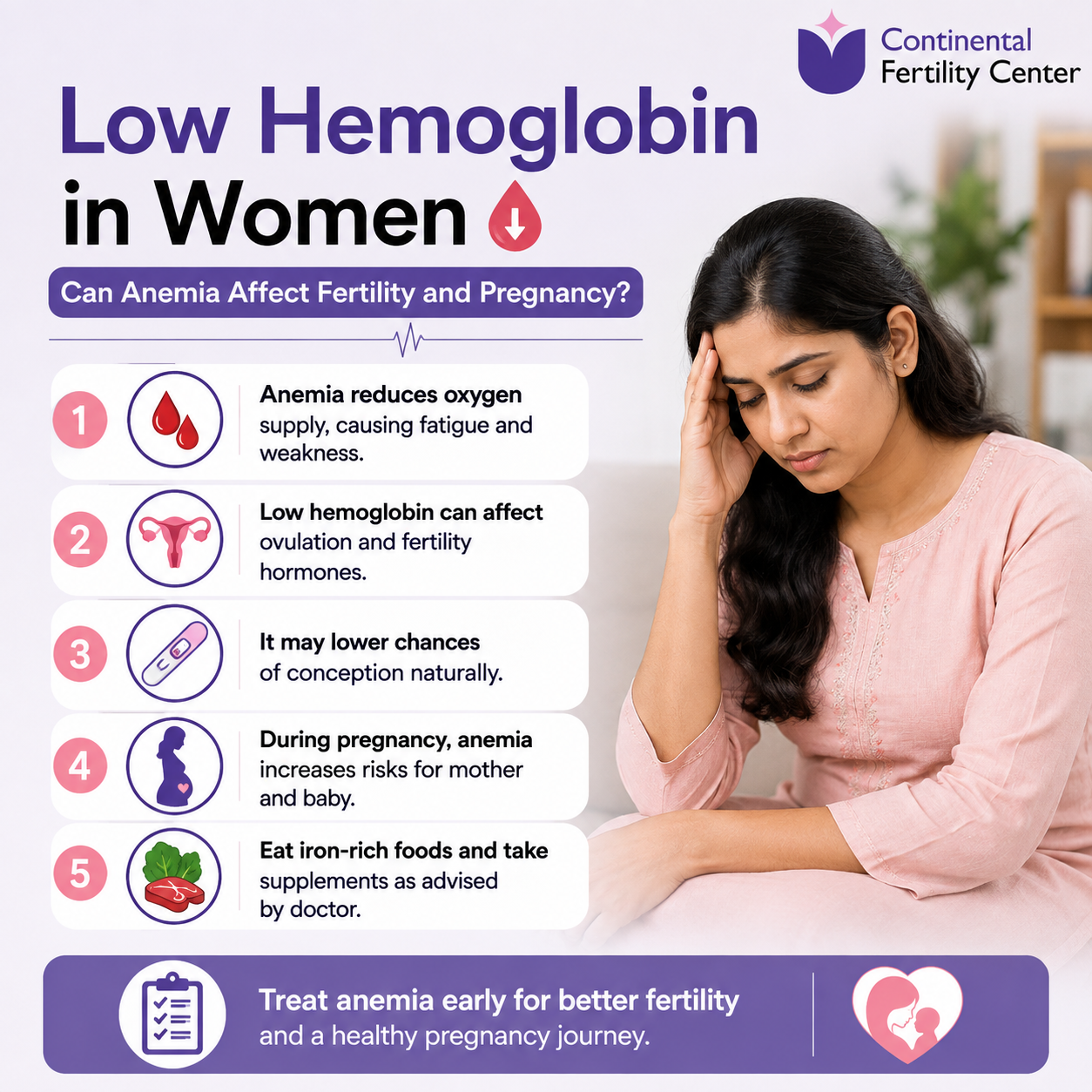
Can Low Hemoglobin Affect Fertility?
Can low hemoglobin directly cause infertility? Not necessarily. However, significant or untreated anemia may affect overall health and reproductive well-being.
When the body does not receive enough oxygen, energy levels and general health can be affected. In women planning pregnancy, identifying and correcting anemia can be an important part of preconception care.
If you have been trying to conceive and also have symptoms of anemia, your doctor may recommend blood tests to understand whether iron deficiency or another condition is contributing to low hemoglobin.
Can Anemia Affect Pregnancy?
Yes, anemia in pregnancy deserves careful attention. During pregnancy, the body's blood supply increases to support the growing baby. This increases the need for iron and other nutrients.
Untreated or significant anemia during pregnancy may increase the risk of complications, depending on its severity and cause. This is why hemoglobin levels are commonly monitored during pregnancy.
Appropriate prenatal care can help identify anemia in pregnancy early and allow treatment to be started when required.
What Causes Iron Deficiency Anemia During Pregnancy?
Why is iron deficiency common during pregnancy? Pregnancy increases the body's requirement for iron because iron is needed to support increased blood production and the developing baby.
Some common contributing factors include:
- Low dietary iron intake
- Heavy menstrual bleeding before pregnancy
- Closely spaced pregnancies
- Multiple pregnancy
- Existing iron deficiency before conception
- Increased nutritional requirements during pregnancy
Pregnancy nutrition should therefore include adequate iron, protein, folate, vitamin B12, and other essential nutrients based on individual medical advice.
How Is Iron Deficiency Anemia Diagnosed?
How do doctors confirm iron deficiency anemia? A complete blood count can help assess hemoglobin and other blood parameters. Depending on the results and symptoms, additional tests such as iron studies, serum ferritin, vitamin B12, and folate testing may be recommended.
Iron deficiency anemia diagnosis should focus on finding the underlying cause rather than simply treating a low hemoglobin reading. Women with heavy periods, persistent fatigue, or recurrent anemia may need further evaluation.
What Can Women Do Before Pregnancy?
What can you do if you are planning pregnancy? Start with a preconception consultation. Your doctor can review your menstrual history, nutrition, medical history, previous pregnancies, and blood test results.
Helpful pregnancy tips include:
- Eat a balanced diet containing iron-rich foods.
- Include adequate protein and nutrient-rich foods.
- Follow recommended prenatal supplements.
- Do not self-medicate with iron supplements.
- Treat heavy menstrual bleeding or other underlying causes.
- Complete recommended blood tests before pregnancy.
A healthy nutritional foundation can support the body before conception and throughout pregnancy.
Why Choose Continental Hospitals for Fertility and Pregnancy Care?
Why choose Continental Hospitals for fertility and pregnancy care? Continental Fertility Center, Hyderabad, provides multidisciplinary care supported by experienced specialists, advanced diagnostic facilities, and comprehensive obstetric services. Its obstetrics department provides care across pregnancy, childbirth, and postpartum health, including prenatal care and management of high-risk pregnancies.
Continental Hospitals is a JCI- and NABH-accredited multispecialty hospital offering tertiary and quaternary care. The hospital also has advanced laboratory and diagnostic facilities, helping specialists evaluate health concerns that may affect pregnancy and overall well-being.
For women dealing with fertility concerns, anemia, nutritional deficiencies, or pregnancy-related health issues, coordinated care can help address the underlying problem while supporting reproductive health.
When Should You See a Doctor?
When should you seek medical advice for low hemoglobin? If you have persistent fatigue, dizziness, breathlessness, heavy periods, repeated anemia, or are planning pregnancy, speak with a qualified specialist.
If you suffer from symptoms associated with low hemoglobin, iron deficiency anemia, or fertility concerns, consult our best fertility specialist in Hyderabad for appropriate evaluation and personalized care.
Conclusion
Low hemoglobin in women should not be ignored, especially when you are planning pregnancy or are already pregnant. Iron deficiency anemia can affect your overall health and may require careful management during pregnancy. Early diagnosis, appropriate pregnancy nutrition, regular monitoring, and treatment of the underlying cause can help support a healthier pregnancy journey.
Related Blogs:
Frequently Asked Questions
Anemia does not always directly cause infertility in women. However, severe or untreated iron deficiency may affect overall reproductive health. Iron is important for oxygen transport, energy production, and normal body functions. Women with anemia may experience fatigue, weakness, dizziness, or reduced energy. Iron deficiency can sometimes occur along with nutritional or hormonal problems. Heavy menstrual bleeding can also cause anemia and may need separate evaluation. In some women, the underlying cause of anemia may be more important than anemia itself. For example, thyroid problems, nutritional deficiencies, or chronic illnesses can contribute to reproductive difficulties. There is not enough evidence to say that every case of low hemoglobin causes infertility. Women trying to conceive should have persistent anemia evaluated rather than treating it on their own. A doctor may recommend a complete blood count, iron studies, ferritin, vitamin B12, or folate testing. Treating the underlying cause can improve general health before pregnancy. Maintaining adequate iron levels is an important part of preconception care.
Low hemoglobin by itself does not necessarily prevent a woman from becoming pregnant. However, anemia can be a sign of an underlying health or nutritional problem. Iron deficiency is one of the most common causes of anemia in women. Heavy periods are another common reason women may develop low iron levels. Some women may also have vitamin B12 or folate deficiency. Chronic diseases, inflammation, or other medical conditions can also cause anemia. These underlying conditions may sometimes affect reproductive health or ovulation. Severe anemia can also cause significant tiredness, weakness, and reduced physical well-being. Therefore, persistent low hemoglobin should not be ignored when planning pregnancy. A healthcare professional can identify the type and cause of anemia through blood tests. Treatment may involve dietary changes, supplements, or treatment of an underlying condition. Iron supplements should be taken only in the recommended dose after appropriate evaluation. Correcting anemia before conception can help support a healthier pregnancy.
Yes, anemia is relatively common during pregnancy, particularly iron-deficiency anemia. During pregnancy, the body produces more blood to support the growing baby. This increases the body's requirement for iron and other nutrients. If iron intake or stored iron is insufficient, anemia can develop. Pregnancy also causes an increase in blood plasma, which can lower hemoglobin concentration naturally. This is sometimes called dilutional or physiologic anemia of pregnancy. Iron deficiency remains an important cause of clinically significant anemia. Pregnant women are generally screened for anemia using blood tests during prenatal care. ACOG recommends screening during the first trimester and again later in pregnancy. :contentReference[oaicite:1]{index=1} Symptoms may include tiredness, weakness, dizziness, headaches, or shortness of breath. Some women may have anemia without noticeable symptoms, especially when it develops gradually. Doctors may investigate iron status and other possible causes when anemia is detected. Early identification and appropriate treatment can help protect maternal and fetal health.
Untreated or significant anemia during pregnancy can increase the risk of complications. The level of risk depends on the severity, duration, and underlying cause of anemia. Iron is essential for making hemoglobin and supporting oxygen delivery to the body. Pregnancy increases the mother's need for iron because of the growing baby and increased blood volume. Severe iron-deficiency anemia has been associated with adverse maternal and fetal outcomes. These may include preterm birth and low birth weight. :contentReference[oaicite:2]{index=2} Severe maternal anemia may also increase the likelihood of needing a blood transfusion around delivery. Some research has also linked significant maternal anemia with developmental concerns in children. However, outcomes vary depending on the severity and cause of anemia. Not every woman with mild anemia will experience pregnancy complications. Regular prenatal blood tests can help identify anemia before it becomes severe. Doctors can recommend appropriate iron, folate, vitamin B12, or other treatment when needed. Managing anemia early can support the health of both mother and baby.
A low hemoglobin level means the blood has less hemoglobin than expected for the person and situation. The exact definition of anemia can vary according to age, pregnancy stage, and clinical guidelines. During pregnancy, hemoglobin levels naturally change because blood volume increases. Common clinical criteria consider hemoglobin below 11 g/dL to indicate anemia in early pregnancy. The threshold may differ during the second trimester because of normal blood-volume changes. For this reason, pregnancy-specific reference ranges are important when interpreting results. A single hemoglobin value does not always explain why anemia has developed. Doctors may consider the complete blood count and red blood cell measurements. They may also check ferritin and other iron studies when iron deficiency is suspected. Vitamin B12 and folate testing may be recommended in appropriate cases. The severity of anemia and its symptoms also influence treatment decisions. Women should avoid diagnosing or treating anemia based only on an isolated blood report. A healthcare professional can interpret the result in relation to pregnancy and overall health.
Iron deficiency is one of the most common causes of anemia in women. Heavy menstrual bleeding can gradually reduce the body's iron stores. Pregnancy also increases the body's requirement for iron and can contribute to deficiency. A diet that does not provide enough iron may increase the risk of iron-deficiency anemia. Vitamin B12 or folate deficiency can cause other types of anemia. Some women may develop anemia because of chronic illnesses or inflammatory conditions. Blood loss from the digestive system can also contribute to persistent anemia. Certain inherited blood disorders may cause anemia and require specialized evaluation. Kidney disease and other chronic conditions can affect red blood cell production. The symptoms of anemia may include tiredness, weakness, dizziness, headaches, or breathlessness. Because anemia has many possible causes, treatment depends on the underlying reason. Blood tests can help distinguish iron deficiency from other forms of anemia. Identifying and treating the cause is important, especially before or during pregnancy.
Iron supplements can help improve anemia when iron deficiency is the underlying cause. They are commonly used to treat iron-deficiency anemia during pregnancy. However, not every type of anemia is caused by a lack of iron. Taking iron without confirming the cause may not correct anemia and may cause unwanted effects. Doctors may use blood tests to assess hemoglobin and iron status. Ferritin can provide information about the body's stored iron in appropriate clinical situations. The recommended dose depends on the person's age, pregnancy status, laboratory results, and medical condition. Some women experience constipation, nausea, abdominal discomfort, or other side effects from oral iron. Doctors may adjust the dose or formulation when side effects occur. Intravenous iron may be considered in selected situations when oral treatment is unsuitable or ineffective. Iron requirements increase during pregnancy, making appropriate assessment especially important. :contentReference[oaicite:3]{index=3} Women who are pregnant should discuss supplements with their obstetrician or healthcare provider. The goal is to correct deficiency safely while avoiding unnecessary or excessive iron intake.
Preventing anemia starts with good nutrition and appropriate prenatal care. Women planning pregnancy should discuss existing anemia or low iron levels with their healthcare provider. Eating a balanced diet can provide iron and other nutrients needed to make healthy red blood cells. Iron-rich foods include beans, lentils, leafy vegetables, fortified cereals, meat, poultry, and seafood. Vitamin C-rich foods can help the body absorb iron from plant-based foods. :contentReference[oaicite:4]{index=4} Prenatal vitamins may provide iron and folic acid as recommended by a healthcare professional. Regular prenatal blood tests help identify anemia during pregnancy. Women with heavy menstrual bleeding should discuss this with their doctor before conception. Existing iron deficiency should ideally be addressed before pregnancy whenever possible. Vitamin B12 and folate deficiencies should also be identified and treated when present. Women should not take high-dose iron supplements without medical advice. The right prevention plan depends on diet, laboratory results, pregnancy stage, and individual health needs. Early evaluation and appropriate treatment can help support maternal and fetal health throughout pregnancy.