
Preconception Care: Steps for a Healthy Pregnancy
Planning for a baby is one of the most exciting milestones in a couple's life. While many people think that pregnancy care begins after a positive pregnancy test, the foundation for a healthy pregnancy is actually laid much earlier. This proactive planning phase is known as preconception care.
Taking care of your body before conceiving ensures a safer pregnancy journey and gives your future child the best possible start in life. Whether you want to conceive in a few months or a year, prioritizing preconception care helps identify potential health risks, optimize your nutrition, and create an ideal environment for your baby to grow.
What is preconception care and why does it matter?
Preconception care refers to the medical checkups, lifestyle changes, and health measures that individuals undertake before becoming pregnant. It focuses on improving preconception health and reducing factors that could contribute to complications for both the mother and the baby.
The first few weeks of pregnancy are critical because the baby's organs begin to form before most women even realize they are pregnant. By focusing on healthy pregnancy planning early, you ensure your body is fully prepared to support a new life. This proactive approach significantly lowers the risk of birth defects, premature birth, and maternal health complications during delivery.
Essential Steps for Preparing for Pregnancy
Preparing for pregnancy involves a combination of medical interventions, dietary changes, and lifestyle adjustments. Following a structured approach can make your journey smoother and more predictable.
Schedule a Preconception Checkup
A medical evaluation with a specialist is the core of effective pre-pregnancy care. During this visit, your doctor will assess your overall physical condition, review your medical history, and discuss any family history of genetic disorders. This checkup typically includes:
Screening for Chronic Conditions: Managing issues like diabetes, high blood pressure, thyroid disorders, and asthma is essential before conception, as these conditions can impact pregnancy outcomes if left unmanaged.
Reviewing Medications: Some prescription drugs and over-the-counter supplements can harm a developing fetus. Your doctor will modify your medications to ensure they are completely safe for pregnancy planning.
Updating Vaccinations: Certain infections, such as rubella and chickenpox, can cause severe birth defects if contracted during pregnancy. Checking your immunity and getting required vaccines beforehand provides vital protection.
Screening for Infections: Testing for sexually transmitted infections and other reproductive tract infections allows for timely treatment before you conceive.
Optimize Your Nutrition and Start Supplements
Your nutritional status before conceiving plays a massive role in egg quality, hormone production, and early fetal development. Incorporating expert pregnancy planning tips into your daily routine can make a significant difference.
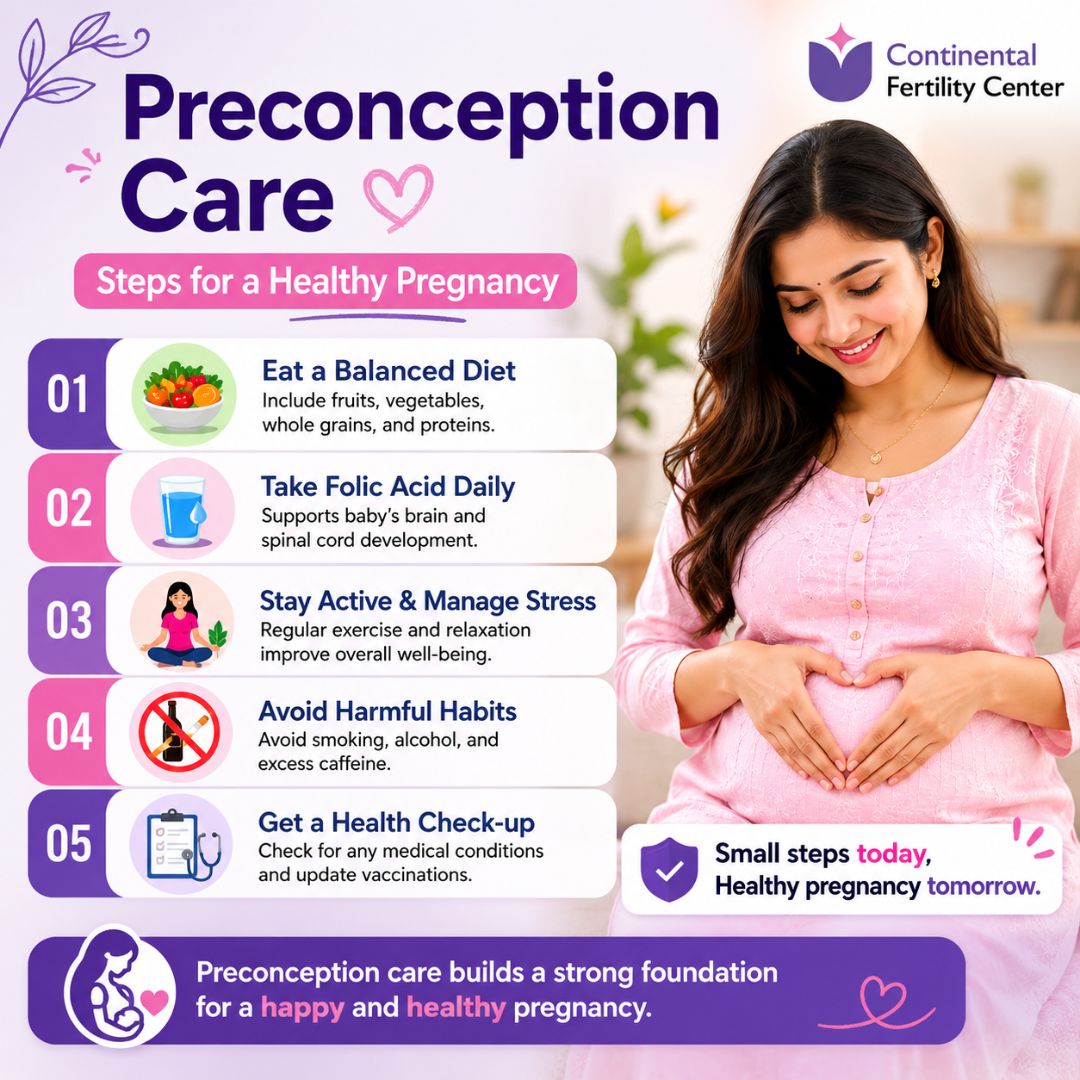
Take Folic Acid Daily: This is perhaps the most critical step in preconception care. Taking a daily supplement of folic acid reduces the risk of neural tube defects, which affect the baby's brain and spinal cord, by up to seventy percent.
Focus on Nutrient-Dense Foods: Fill your meals with leafy green vegetables, lean proteins, whole grains, nuts, seeds, and fruits. These foods provide the essential iron, calcium, and zinc needed for healthy reproductive function.
Maintain a Healthy Weight: Being significantly underweight or overweight can alter hormone levels and interfere with regular ovulation, making conception more difficult. Achieving an optimal body mass index supports regular menstrual cycles and a healthier pregnancy.
Lifestyle Adjustments for Better Preconception Health
Your daily habits directly influence your fertility and the health of your future pregnancy. Making positive lifestyle adjustments early on is a vital part of comprehensive pre-pregnancy care.
Eliminate Harmful Substances
To secure a healthy pregnancy, both partners must avoid habits that damage egg and sperm quality.
Quit Smoking: Tobacco smoke contains toxins that age the ovaries prematurely, reduce egg quality, and increase the risk of miscarriage.
Avoid Alcohol: There is no known safe amount of alcohol consumption during pregnancy or while trying to conceive. Eliminating alcohol entirely eliminates the risk of fetal alcohol spectrum disorders.
Limit Caffeine Intake: High caffeine consumption has been linked to fertility challenges and an increased risk of early pregnancy loss. It is wise to limit your intake to less than two hundred milligrams of caffeine per day.
Manage Stress and Prioritize Sleep
High chronic stress levels trigger cortisol production, which can disrupt the delicate hormonal balance required for ovulation and implantation. Incorporating relaxation techniques such as gentle yoga, meditation, or deep breathing exercises can restore balance to your system. Additionally, aiming for seven to eight hours of high quality sleep every night helps regulate reproductive hormones and boosts overall immunity.
Preconception Care for Men Matters Too
Fertility is a shared journey, and preconception health is not just for women. Men contribute fifty percent of the genetic material to the baby, meaning male health directly impacts the chances of conception and the health of the pregnancy.
Men should also adopt healthy habits during this phase. This includes eating an antioxidant-rich diet to protect sperm DNA, avoiding hot tubs and saunas that can overheat the testicles, maintaining a healthy weight, and avoiding smoking and excessive alcohol use. A healthy partner leads to a healthier outcome for the entire family.
Why Choose Continental Hospitals for Preconception Care?
When you decide to take the step toward parenthood, choosing the right medical institution ensures you receive accurate guidance and premium medical support. Continental Hospitals is widely recognized as the best hospital in Hyderabad for comprehensive fertility and preconception care.
Continental Hospitals is a premier multispecialty healthcare facility built on international standards of clinical excellence. The hospital proudly holds the prestigious National Accreditation Board for Hospitals and Healthcare Providers (NABH) accreditation, reflecting a steadfast commitment to patient safety, ethical medical practices, and exceptional care quality.
The Continental Fertility Centre provides a holistic environment tailored for couples preparing for pregnancy. Equipped with advanced diagnostic tools, state-of-the-art laboratory facilities, and highly specialized clinics, the center offers personalized preconception screening packages. Our multidisciplinary team works together to ensure all your medical, nutritional, and emotional needs are addressed under one roof, making your transition into pregnancy safe and seamless.
Conclusion
Embracing preconception care is the single best investment you can make for the future health of your baby and yourself. By scheduling a medical evaluation, adjusting your diet, eliminating toxic habits, and addressing existing medical concerns, you actively minimize risks and pave the way for a smooth, joyful pregnancy experience.
Are you ready to plan your path to a healthy pregnancy? Do you want to ensure your body is fully prepared for the journey ahead? Seeking expert medical advice before conceiving clears away doubts and gives you complete peace of mind.
If you suffer from underlying health issues, irregular cycles, or simply want to maximize your chances of a smooth pregnancy, do not wait until after conception to seek guidance. Early medical counsel makes all the difference in modern family planning.
Book a consultation with our best fertility specialist in Hyderabad at Continental Hospitals today to begin your journey toward a healthy pregnancy.
Frequently Asked Questions
Preconception care is the medical, nutritional, and lifestyle preparation undertaken before conception to improve the chances of a healthy pregnancy and baby. It involves assessing overall health, identifying potential risks, reviewing medications, updating vaccinations, and addressing existing medical conditions. Preconception care helps reduce the risk of pregnancy complications, birth defects, premature birth, and low birth weight. Both men and women can benefit from preconception planning. It also provides an opportunity to discuss family history, fertility concerns, and healthy lifestyle habits. Early preparation allows healthcare providers to identify and manage issues before pregnancy occurs. This proactive approach supports maternal well-being and promotes optimal fetal development from the earliest stages of pregnancy.
Ideally, preconception care should begin at least three to six months before attempting to conceive. This timeframe allows individuals to make necessary lifestyle changes, optimize nutrition, and address any underlying health conditions. Women can start taking folic acid supplements, achieve a healthy weight, and ensure vaccinations are up to date. Men can improve sperm health through healthy habits and medical evaluation when needed. Starting early also provides time for medication adjustments, fertility assessments, and management of chronic conditions such as diabetes or hypertension. Planning ahead increases the likelihood of a healthy pregnancy and helps create the best possible environment for conception and fetal growth.
Folic acid is one of the most important supplements recommended before pregnancy. Women are generally advised to take at least 400 micrograms of folic acid daily to reduce the risk of neural tube defects. Other essential nutrients may include iron, calcium, vitamin D, iodine, and omega-3 fatty acids depending on individual health needs. Prenatal vitamins can help fill nutritional gaps and support reproductive health. A healthcare provider may recommend specific supplements based on dietary habits, medical conditions, or laboratory findings. It is important to avoid excessive supplementation without medical guidance. Proper nutrition and supplementation before conception support healthy fetal development and maternal well-being.
Maintaining a healthy weight before pregnancy can significantly improve fertility and reduce the risk of complications during pregnancy. Excess body weight may contribute to hormonal imbalances, irregular ovulation, and difficulty conceiving. Being underweight can also affect fertility and increase the risk of nutritional deficiencies. Achieving a healthy weight through balanced nutrition and regular physical activity supports reproductive health and hormone regulation. Women with a healthy weight are less likely to experience gestational diabetes, high blood pressure, and pregnancy-related complications. Healthy weight management also contributes to better fetal growth and development. Consulting a healthcare professional can help create a safe and effective plan before conception.
Several chronic medical conditions should be carefully managed before conception to reduce pregnancy-related risks. These include diabetes, hypertension, thyroid disorders, epilepsy, asthma, obesity, and autoimmune diseases. Proper control of these conditions can improve fertility and help prevent complications affecting both mother and baby. Healthcare providers may recommend medication adjustments, additional monitoring, or specialist consultations before pregnancy. Mental health conditions such as anxiety and depression should also be addressed. Early management helps ensure that treatment plans are safe during pregnancy. A preconception evaluation allows healthcare professionals to identify potential concerns and create a personalized care plan for a healthier pregnancy journey.
Healthy lifestyle changes before pregnancy can positively influence fertility and pregnancy outcomes. Individuals planning pregnancy should stop smoking, avoid alcohol and recreational drugs, and limit excessive caffeine intake. Regular exercise, adequate sleep, stress management, and a balanced diet rich in fruits, vegetables, whole grains, and lean proteins are highly recommended. Maintaining a healthy weight and staying hydrated also support reproductive health. Environmental exposures to harmful chemicals should be minimized whenever possible. Men should also adopt healthy habits to improve sperm quality. These positive lifestyle modifications create a healthier environment for conception and contribute to the overall well-being of both parents and the future baby.
Vaccinations play a vital role in protecting both the mother and baby from preventable infections. Before conception, healthcare providers may review immunization status and recommend vaccines if necessary. Vaccines for rubella, varicella, hepatitis B, and other preventable diseases may be advised depending on individual risk factors. Certain infections during pregnancy can lead to serious complications, including miscarriage, birth defects, and premature delivery. Receiving recommended vaccinations before pregnancy provides immunity and reduces these risks. Some vaccines cannot be administered during pregnancy, making preconception planning especially important. Discussing vaccination history with a healthcare provider helps ensure optimal protection before conception occurs.
Yes, preconception care is beneficial for both partners because reproductive health involves shared factors that influence fertility and pregnancy outcomes. Women can optimize their health through nutrition, medical evaluations, and lifestyle modifications. Men can improve sperm quality by maintaining a healthy lifestyle, managing medical conditions, and avoiding tobacco, alcohol, and harmful environmental exposures. Both partners may benefit from genetic counseling, fertility assessments, and discussions about family medical history. Emotional well-being and relationship support are also important aspects of preparation for parenthood. By actively participating in preconception care together, couples can improve their chances of conception and contribute to a healthier pregnancy and baby.