
Pregnancy Food Safety: What to Eat and What to Avoid
Pregnancy food safety is one aspect of keeping the mother and her unborn child healthy. In pregnancy, the body of the woman requires more nutrients as the baby develops in her womb. Selecting fresh, nutritious, and correctly cooked food ensures provision of essential vitamins, minerals, proteins, and energy. Good pregnancy food not only keeps the baby healthy but also promotes the general health of the mother.
Are you aware that some foods that are otherwise harmless can be risky in pregnancy? Some raw, undercooked, or unpasteurized foods may be contaminated by pathogens that could endanger the pregnancy. Therefore, knowing the foods to take and those to avoid in pregnancy will greatly help.
What Foods Should You Consume While Pregnant?
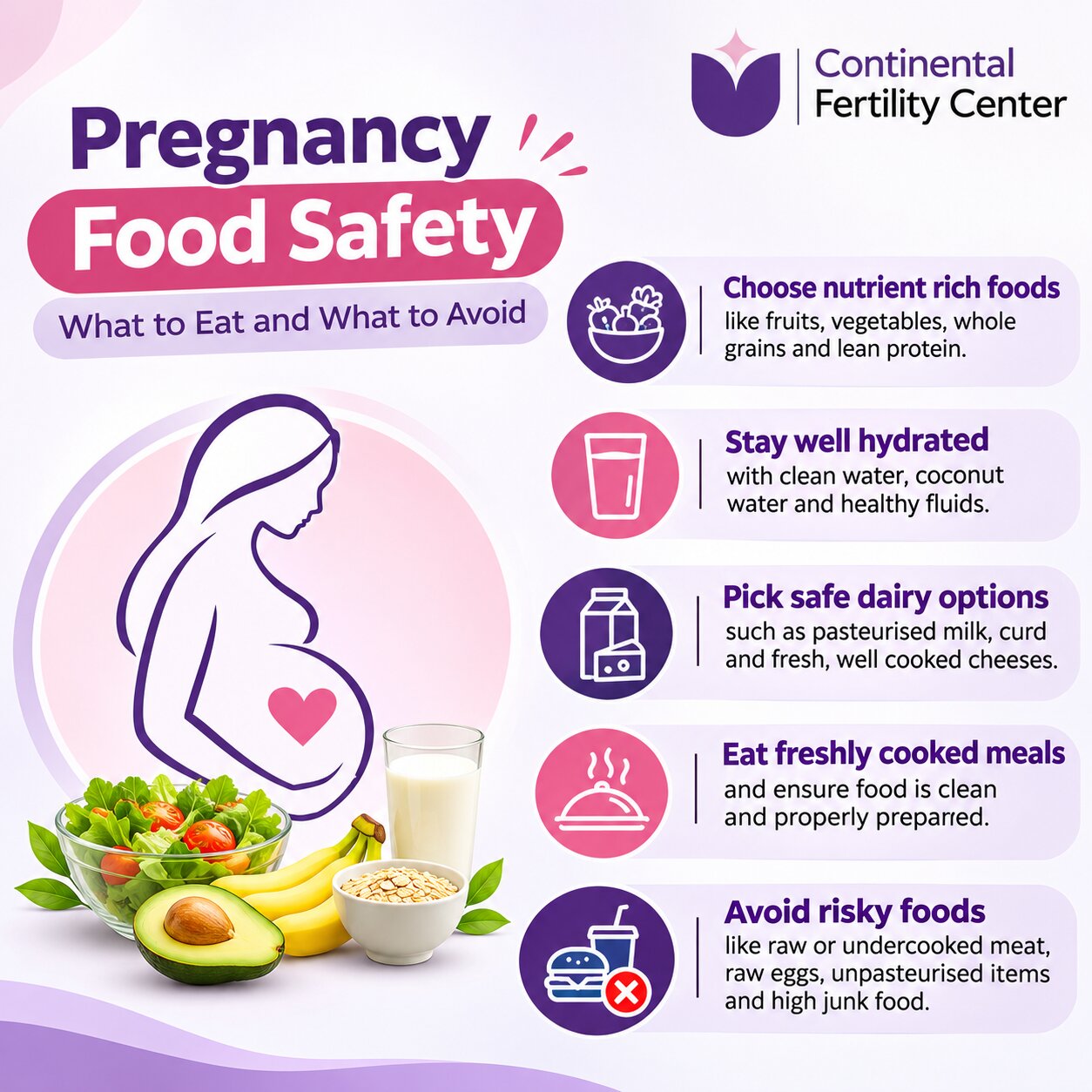
Which foods contain all the required nutrients for pregnancy? A healthy pregnancy diet needs to have a good balance of fresh fruits, vegetables, whole grains, foods rich in protein, and dairy products.
Below is a list of some healthy foods to be consumed during pregnancy:
1. Fresh Fruits: Apples, oranges, bananas, guavas, and berries provide vitamins, minerals, and fiber, which aid in digestion.
2. Green Leafy Vegetables: Spinach, amaranth, and other green leafy vegetables provide folate, iron, and other vital nutrients.
3. Whole Grains: Brown rice, oats, whole wheat, and millets provide fiber and energy.
4. Foods Rich in Proteins: Well-cooked eggs, legumes, beans, paneer, and well-cooked chicken provide proteins needed for the baby's growth.
5. Dairy Products: Pasteurized milk, curd, and paneer provide calcium and protein for healthy bones and teeth.
6. Nuts and Seeds: Almonds, walnuts, and seeds provide healthy fats, protein, and minerals.
7. Low-Mercury Fish: Properly cooked fish such as salmon and sardines provide omega-3 fatty acids necessary for brain and eye development of the baby.
Which Foods Are You Supposed to Avoid during Your Pregnancy?
Why do you need to avoid some food items during pregnancy? There are some foods that contain bacteria, parasites, and high mercury content, which can affect your health adversely.
The foods you should avoid during pregnancy are:
- Raw/Undercooked Eggs: Do not eat any type of raw eggs or egg-containing foods like homemade mayonnaise and undercooked eggs.
- Raw/Undercooked Meat: Do not eat meat that is not fully cooked because it contains microorganisms, which can harm you.
- Unpasteurized Milk Products: Avoid milk products that have not been pasteurized. These foods contain bacteria, which can affect you adversely.
- Fish with High Mercury Levels: Avoid shark, swordfish, and king mackerel. They contain a high level of mercury, which can affect the development of your child.
- Raw Seafood: Stay away from raw seafood, including fish.
- Unwashed Fruits and Vegetables: Make sure to wash fruits and vegetables before eating them.
- Alcohol: Do not drink alcohol during pregnancy.
Is Papaya Safe to Consume in Pregnancy?
Is papaya safe for pregnant women? Consuming fully ripe papayas in moderate amounts is safe. Unripe or partially ripened papaya, which is rich in latex, should not be consumed by pregnant women due to safety reasons. Always consult your gynecologist in case of any doubts regarding specific foods' safety.
How Can One Ensure Proper Food Safety During Pregnancy?
Choosing healthy food is not the only step one needs to take to stay safe during pregnancy. Proper handling and preparation of foods are equally important.
Here is a list of simple tips to ensure food safety during pregnancy:
1. Wash fruits and vegetables under clean running water.
2. Ensure full cooking of meat, fish, and eggs.
3. Prevent cross-contamination by separating raw and cooked foods.
4. Refrigerate all perishable foods.
5. Check the expiry date before consuming any food.
6. Opt for pasteurized milk and dairy products.
7. Wash your hands before eating or preparing food.
8. Do not eat food left outside the refrigerator for too long.
All these steps will help prevent food poisoning during pregnancy.
What Nutrients Should Be Provided to Your Body in Pregnancy?
What nutrients should be included in your pregnancy diet? Each nutrient is responsible for various stages of the baby's growth and development.
- Folic acid: For the formation of the brain and spine of the baby.
- Iron: For hemoglobin formation and oxygen delivery to the baby.
- Calcium: For the formation of bone and teeth of the baby.
- Protein: For the formation of tissue and organs in the baby.
- Iodine: For the development of the baby's brain and nervous system.
- Omega-3 fatty acids: For brain and eye development.
Depending on your body needs, you may be recommended prenatal vitamins.
Why Opt for Continental Fertility Center for Pregnancy?
What are the advantages of seeking professional advice when you are planning to develop your pregnancy diet? Every pregnancy diet can differ and can depend on the health condition of the mother.
Continental Fertility Center in Hyderabad offers all-round services for maternity and women’s healthcare that are backed by well-experienced obstetricians, nutritionists, diagnostic facilities, and medical experts of various fields.
Continental Hospitals have the national and international certifications in the field of healthcare that include Joint Commission International (JCI) and National Accreditation Board for Hospitals & Healthcare Providers (NABH).
Continental Hospitals provides assistance to the mothers from conception until childbirth.
Conclusion
Pregnancy food safety is crucial in maintaining the safety of not only the mother but also that of the fetus. Consuming fresh fruits, vegetables, whole grains, protein-containing foods, and pasteurized dairy products would help provide proper pregnancy nutrition. At the same time, staying away from uncooked and undercooked foods, non-pasteurized dairy products, high-mercury fishes, and alcohol would assist in avoiding any health hazards.
In case you are pregnant and have doubts regarding the consumption of some foods, visit our best gynecologists in Hyderabad at Continental Hospitals, Hyderabad, for expert suggestions on pregnancy nutrition. In case you suffer from foodborne illness or continuous vomiting, diarrhea, or fever during your pregnancy, contact your healthcare provider without delay.
Frequently Asked Questions
A balanced diet is important for a healthy pregnancy. Fresh fruits and vegetables provide essential vitamins and minerals. Wash fruits and vegetables thoroughly before eating. Choose whole grains such as oats, brown rice and whole wheat. Well-cooked eggs are a good source of protein. Properly cooked chicken and fish can also be included in your diet. Choose pasteurised milk, yoghurt and cheese. Include lentils, beans, nuts and seeds for additional nutrients. Drink clean and safe water throughout the day. Prefer freshly prepared homemade meals whenever possible. Avoid raw or undercooked animal products. Limit foods that are high in added sugar and unhealthy fats. Your doctor or dietitian can help you plan a balanced pregnancy diet.
Certain foods should be avoided during pregnancy to reduce the risk of infections and other complications. Avoid raw or undercooked meat, poultry and seafood. Raw fish and sushi containing uncooked seafood should also be avoided. Do not consume raw or partially cooked eggs. Avoid unpasteurised milk and products made from it. Soft cheeses made with unpasteurised milk may carry harmful bacteria. Avoid raw sprouts because they can contain bacteria. Wash fruits and vegetables carefully before consumption. Avoid refrigerated ready-to-eat meats unless they are reheated until steaming hot. Limit high-mercury fish such as shark, swordfish and king mackerel. Avoid alcohol completely during pregnancy. Check food labels and preparation methods before eating. When unsure about a food, consult your healthcare provider.
Papaya consumption during pregnancy depends on its ripeness and preparation. Fully ripe papaya is generally considered safe when eaten in moderate amounts. It provides vitamin C, fibre and other nutrients. However, unripe or semi-ripe papaya contains latex and higher levels of certain enzymes. These substances may cause concern during pregnancy. Some laboratory and animal studies have raised questions about unripe papaya consumption. Strong evidence about the effects in human pregnancy is limited. It is therefore advisable to avoid unripe and semi-ripe papaya. Wash ripe papaya properly before cutting and eating it. Consume it in reasonable portions as part of a balanced diet. Avoid eating fruit that is spoiled or improperly stored. If you have pregnancy complications or specific dietary restrictions, seek medical advice. Your obstetrician can guide you on suitable fruits during pregnancy.
Seafood can provide important nutrients during pregnancy. Fish contains protein and omega-3 fatty acids that support the baby's brain and eye development. Pregnant women can eat low-mercury fish that is properly cooked. Salmon, sardines and shrimp are examples of suitable choices. Choose seafood from reliable sources and ensure it is thoroughly cooked. Avoid raw fish, raw shellfish and undercooked seafood. High-mercury fish should be avoided because mercury can affect the baby's developing nervous system. Shark, swordfish, king mackerel and marlin are examples of high-mercury fish. Follow local dietary guidance for recommended seafood portions. Avoid fish caught from waters known to be polluted. Proper refrigeration and hygienic preparation are also important. If you have concerns about seafood choices, consult your obstetrician or dietitian.
Pregnant women can generally consume caffeine in limited amounts. However, excessive caffeine intake may increase pregnancy-related risks. Most pregnancy guidelines recommend keeping caffeine below 200 milligrams per day. Coffee, tea, chocolate and some soft drinks contain caffeine. Energy drinks may also contain high amounts of caffeine. Check product labels to understand the caffeine content. Remember that caffeine from different sources adds up throughout the day. You can choose decaffeinated coffee as an alternative. Milk, water and fresh fruit-based drinks without added sugar are other options. Avoid relying on energy drinks during pregnancy. Caffeine sensitivity can vary between individuals. If you have a high-risk pregnancy, discuss caffeine intake with your doctor. Following recommended limits can help you make safer dietary choices.
Food hygiene is especially important during pregnancy because certain infections can affect both mother and baby. Harmful bacteria may be present in contaminated or improperly stored food. Wash your hands with soap before preparing or eating meals. Clean kitchen surfaces, utensils and cutting boards regularly. Wash fruits and vegetables under clean running water. Keep raw meat separate from ready-to-eat foods. Cook meat, eggs and seafood thoroughly. Refrigerate perishable foods promptly. Avoid eating food that has been left at room temperature for too long. Drink clean and safe water. Check expiry dates before consuming packaged products. Avoid eating from unhygienic food preparation environments. These simple precautions can reduce the risk of foodborne illnesses during pregnancy.
Fruits provide essential vitamins, minerals, fibre and antioxidants during pregnancy. Apples are a good source of dietary fibre. Oranges provide vitamin C and help support iron absorption. Bananas contain potassium and vitamin B6. Pomegranates provide antioxidants and useful nutrients. Guava is rich in vitamin C and fibre. Berries contain antioxidants and vitamins that support overall health. Fully ripe papaya can also be included in moderate amounts. Wash all fruits thoroughly before eating them. Prefer fresh, whole fruits instead of packaged fruit juices with added sugar. Avoid fruits that are spoiled or contaminated. Eating different seasonal fruits helps provide a variety of nutrients. Women with gestational diabetes should discuss suitable fruit portions with their dietitian.
A healthy pregnancy diet should include a variety of nutritious foods. Include protein-rich foods such as lentils, beans, eggs and properly cooked meat. Green leafy vegetables provide folate, iron and other essential nutrients. Whole grains offer fibre and energy. Milk, yoghurt and other pasteurised dairy products provide calcium. Include low-mercury fish for omega-3 fatty acids when suitable. Fresh fruits provide important vitamins and antioxidants. Nuts and seeds can provide healthy fats and minerals. Drink sufficient safe water to maintain hydration. Eat regular, balanced meals rather than skipping meals. Your doctor may recommend folic acid, iron, calcium or other supplements depending on your needs. Avoid alcohol and foods that may cause foodborne infections. Every pregnancy is different, so follow a diet plan recommended by your healthcare provider.