
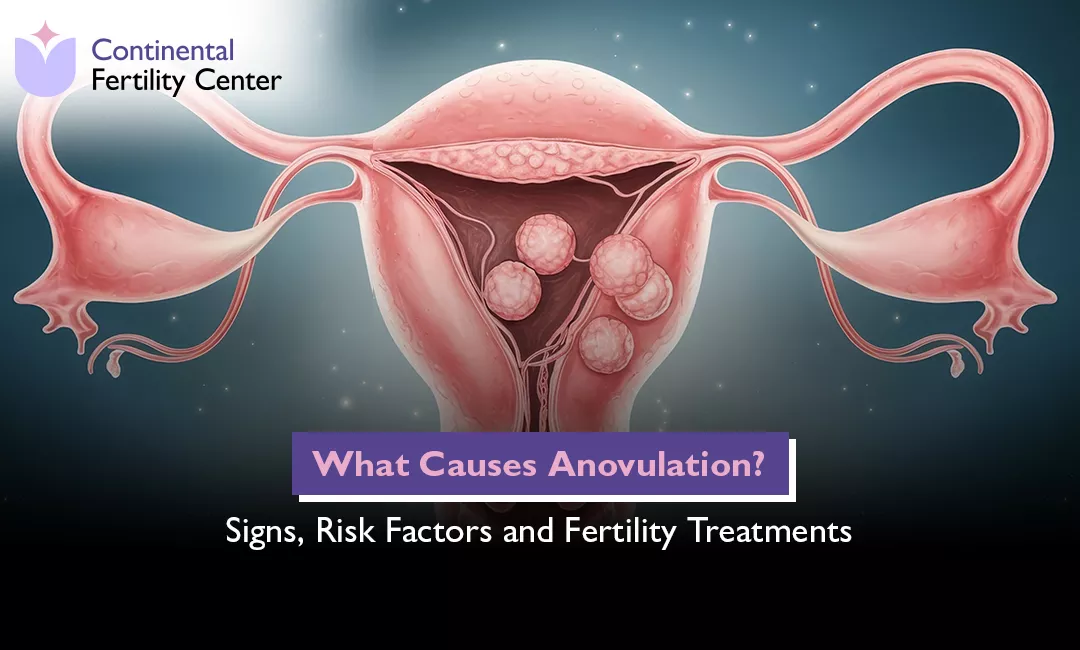
What Causes Anovulation? Signs, Risk Factors and Fertility Treatments
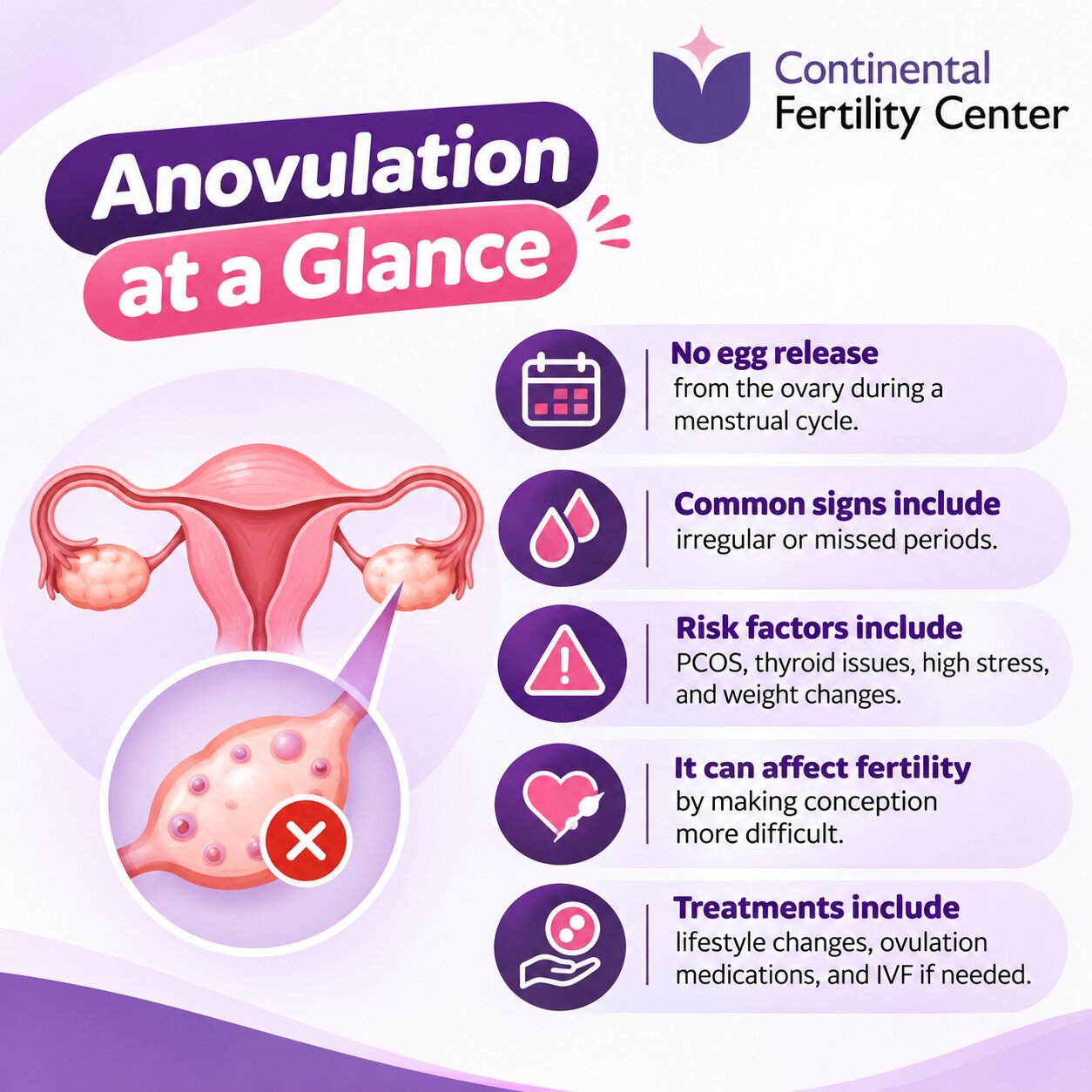
Anovulation is a state where the ovaries fail to release an egg during the menstrual cycle. It is normally expected that ovulation will happen once per every menstrual cycle and will be vital for natural pregnancy. Failure to ovulate may lead to decreased conception probability, which makes it significant for women who wish to conceive.
Anovulation is among the reasons for female infertility and can result from hormonal disorders, polycystic ovary syndrome (PCOS), thyroid problems, stress, and many other factors. Awareness of anovulation causes, detection of its symptoms, and consulting doctors in time can assist women in receiving proper fertility treatment.
Why Does a Woman Have Anovulation?
This condition is characterized by the inability of hormonal triggers for egg maturation and its release to work correctly. There are several factors that might be the reason for such problems.
The most common causes of anovulation include:
- Polycystic Ovary Syndrome (PCOS): This condition can cause ovulation disorders since hormones can prevent the release of eggs.
- Thyroid Diseases: Hypo- and hyperthyroidism can affect hormones and women’s periods.
- Elevated Levels of Prolactin: Elevated levels of prolactin can affect reproductive hormones.
- Stress: Physical and emotional stress can disrupt the balance of hormones.
- Rapid Weight Gain or Loss: Being significantly overweight or underweight can affect the levels of reproductive hormones.
- Intensive Exercise: The combination of intensive exercise and poor nutrition can affect ovulation.
- Age: With age, changes in ovaries and the number of eggs can affect the ovulation.
What Are the Symptoms of Anovulation?
The symptoms of anovulation are sometimes difficult to spot. Some women could even be having regular periods without producing any eggs.
Nevertheless, some symptoms that point to problems with ovulation include:
- Abnormal or absent menstruation
- Abnormally light or heavy menstruation
- Unpredictable menstrual cycles
- Trouble with conceiving
- Abnormal cervical mucus changes
- Unusual patterns of menstrual cycles
- PCOS symptoms such as acne and excessive hair growth on the face
If you have difficulties with your menstrual cycle or conceiving, then it would be wise to consult a specialist on infertility.
Who Is at Risk for Anovulation?
Several medical conditions or risk factors may predispose one to anovulation. The following women may require more attention on their reproductive health issues:
- Women who have been diagnosed with PCOS
- Women who have hormonal or thyroid problems
- Women undergoing considerable weight changes
- Women suffering from nutritional deficiencies
- Women who are under constant stress
- Women with early-onset ovarian failure
- Women close to menopause
Early detection of these risk factors is necessary so as not to delay fertility assessment and treatment.
How is anovulation diagnosed?
The diagnosis of anovulation requires the assessment of menstrual history, hormone status, and ovarian functionality. There are several methods that a fertility specialist can opt for, based on individual symptoms of a woman.
The most common methods are:
1. Medical History: Evaluation of menstrual cycles, previous pregnancies, and fertility issues.
2. Hormone Blood Tests: Testing reproductive hormones, thyroid gland function, and prolactin.
3. Pelvic Ultrasound: Examination of ovaries, follicles, and reproductive organs.
4. Follicular Monitoring: Observing the process of follicular development to check ovulation.
5. Additional Testing: Evaluating ovarian reserve and other reproductive factors if necessary.
What Are the Methods of Treatment for Anovulation?
The method of anovulation treatment depends on the underlying causes, age, reproductive health and pregnancy plans of a woman. Restoration of regular ovulation is the main goal of anovulation treatment.
Some of the common methods include:
- Lifestyle Changes: Proper body weight, balanced nutrition, stress management, and exercise regime.
- Hormone Therapy: Treatment of hyperthyroidism, high levels of prolactin, or any other hormone disorder.
- Ovulation Stimulation: Special medications can be used to help develop and release eggs.
- PCOS Treatment: Personalized treatment can be done for regulating hormones and ovulation.
- ART Treatment: Treatment procedures like IUI or IVF may be advised based on the patient’s fertility conditions.
How Does Anovulation Impact Fertility?
There is a strong relationship between anovulation and infertility, as the formation of pregnancy entails ovulation of an egg that will be fertilised. The inability to ovulate makes conceiving quite hard or even unfeasible.
Nonetheless, the absence of ovulation does not make conceiving impossible as many women suffering from such ovulation problems are able to conceive if provided with the right treatment.
Why Opt for Continental Fertility Center?
The choice of the appropriate fertility center is crucial for dealing with ovulatory disorders and infertility. At the Continental Fertility Center, Hyderabad, patients are provided personalized and tailored treatments for their specific conditions.
Continental Hospitals holds accreditation from JCI and NABH, demonstrating the hospital’s concern regarding the quality of healthcare services provided, safety of the patients, and high-quality standards of clinical work. The NABL accreditation of the hospital’s laboratory services also helps improve the quality of diagnostic procedures at the center.
Reasons to opt for Continental Fertility Center:
- Expert reproductive medicine specialists
- Advanced fertility diagnostic services
- Customized treatment for ovulation disorders
- Full evaluation of women and men fertility
- Customized PCOS and hormone disorder management
- Modern assisted reproductive treatments
- Patient-focused counseling services
Conclusion
Anovulation is one of the frequent reasons for fertility problems; however, an early diagnosis and the right treatment may make pregnancy easier for many females. Detecting irregularities, paying attention to your hormones, and finding out if you have some other medical disorders may be helpful in achieving reproductive health.
If you suffer from irregular periods, no ovulation, PCOS issues, or conception problems, see our best fertility specialist in Hyderabad at Continental Fertility Center, Hyderabad.
Frequently Asked Questions
Anovulation is a condition in which the ovaries do not release an egg during a menstrual cycle. It means ovulation does not take place as expected. Normally, the ovaries release a mature egg every menstrual cycle. This egg can be fertilised by sperm to achieve pregnancy. When ovulation does not occur, natural conception becomes difficult. Anovulation may happen occasionally or regularly. Some women may experience irregular periods or missed periods. Others may have menstrual cycles without obvious symptoms. Hormonal imbalances are among the common causes of this condition. Polycystic ovary syndrome (PCOS) is another important contributing factor. Thyroid disorders and elevated prolactin levels may also affect ovulation. Early diagnosis can help identify the underlying cause. With appropriate fertility treatment, many women with anovulation can improve their chances of pregnancy.
Anovulation can develop due to several hormonal and reproductive health conditions. Polycystic ovary syndrome is one of the most common causes. It can interfere with normal egg development and release. Thyroid disorders may also affect the hormones responsible for ovulation. High prolactin levels can prevent the ovaries from releasing an egg. Excessive stress may disrupt the hormonal signals that regulate the menstrual cycle. Sudden weight gain or significant weight loss can also affect ovulation. Being underweight or overweight may contribute to hormonal imbalances. Excessive physical exercise can sometimes interfere with regular ovulation. Premature ovarian insufficiency may reduce normal ovarian function. Certain medications and medical conditions can also affect the ovulation process. Identifying the underlying cause is important for effective treatment. A fertility specialist can recommend suitable tests and treatment options based on individual needs.
Anovulation may cause several changes in a woman's menstrual cycle. Irregular periods are one of the most common signs. Some women may experience missed periods for several months. Others may have unusually light or heavy menstrual bleeding. Menstrual cycles may also become shorter or longer than usual. Difficulty getting pregnant can be another important indicator. Some women may notice fewer typical ovulation symptoms. Changes in cervical mucus may also occur. Hormonal imbalances can sometimes cause acne or increased facial hair growth. Unexplained weight changes may be associated with underlying conditions such as PCOS. Some women may experience symptoms related to thyroid disorders. However, anovulation does not always cause noticeable symptoms. Medical evaluation and hormonal testing can help confirm whether ovulation is occurring. Women experiencing irregular periods or difficulty conceiving should consult a fertility specialist.
Yes, anovulation can make it difficult for a woman to become pregnant naturally. Pregnancy requires the release of a mature egg from the ovary. When ovulation does not occur, there is no egg available for fertilisation during that cycle. This can reduce the chances of natural conception. Women with regular anovulation may experience difficulty getting pregnant. Conditions such as PCOS can affect normal egg development. Hormonal imbalances may also interfere with the reproductive process. However, anovulation does not mean that pregnancy is impossible. Many women can conceive after receiving appropriate treatment. Fertility medications may help stimulate egg development and release. Lifestyle changes may also improve hormonal health in some cases. The treatment depends on the underlying cause and individual fertility condition. Early consultation can help identify suitable options. A fertility specialist can create a personalised treatment plan to support pregnancy goals.
Anovulation is diagnosed through a combination of medical evaluation and fertility tests. A fertility specialist usually begins by reviewing menstrual history. Information about period regularity and previous pregnancy attempts is important. Blood tests may be recommended to check reproductive hormone levels. Progesterone testing can help determine whether ovulation has occurred. Thyroid-stimulating hormone testing may identify thyroid-related problems. Prolactin testing can help detect elevated prolactin levels. Ultrasound scans may be used to examine the ovaries and uterus. Follicular monitoring can help track the growth of ovarian follicles. It can also help determine whether an egg is likely to be released. Additional tests may be recommended depending on symptoms and medical history. PCOS and other hormonal conditions may require further assessment. These investigations help identify the reason behind irregular or absent ovulation. An accurate diagnosis allows specialists to recommend appropriate fertility treatment.
Some women may improve their ovulation patterns through healthy lifestyle changes. Maintaining a healthy body weight can support hormonal balance. A balanced diet with adequate nutrients is important for reproductive health. Regular moderate exercise may also improve overall metabolic health. Women with PCOS may benefit from lifestyle changes that improve insulin sensitivity. Managing stress can support overall hormonal well-being. Getting sufficient sleep is another important part of a healthy routine. Avoiding extreme dieting and excessive exercise may help prevent hormonal disruption. However, natural approaches may not correct every cause of anovulation. Thyroid disorders and elevated prolactin levels may require medical treatment. Women with persistent irregular periods should not depend only on lifestyle changes. Fertility testing can help identify the underlying problem. A specialist can recommend whether lifestyle modifications or medical treatment are needed. Natural approaches should complement, rather than replace, appropriate medical care.
The best treatment for anovulation depends on its underlying cause. Fertility specialists first evaluate hormonal health and ovarian function. Women with PCOS may benefit from lifestyle modifications and appropriate medications. Ovulation induction medicines can help stimulate the development and release of eggs. Letrozole is commonly used as a first-line ovulation induction medicine for women with PCOS-related infertility. Clomiphene citrate may also be considered in selected cases. Gonadotropin injections may be recommended when oral medications are unsuccessful. Women with thyroid disorders may need treatment to regulate thyroid hormone levels. Elevated prolactin levels may require specific medication. Ultrasound monitoring helps specialists track follicular development during treatment. In selected cases, intrauterine insemination may be considered alongside ovulation induction. IVF may be recommended when other fertility treatments are unsuccessful or additional fertility factors are present. Treatment should always be personalised according to age, ovarian reserve and medical history. Regular follow-up helps monitor treatment response and reproductive health.
Yes, many women with anovulation can become pregnant with appropriate fertility treatment. The chances of pregnancy depend on the underlying cause and overall reproductive health. Some women may start ovulating regularly after making suitable lifestyle changes. Others may require medications to stimulate egg release. Letrozole and clomiphene citrate are commonly used ovulation induction medicines in selected patients. Hormonal conditions such as thyroid disorders may need treatment before conception. Women with PCOS may benefit from a combination of lifestyle changes and medical support. Ultrasound monitoring can help identify the development of mature follicles. Timed intercourse may be recommended around the expected ovulation period. In some cases, intrauterine insemination or IVF may be considered. Age, ovarian reserve and sperm health also influence pregnancy outcomes. Early diagnosis can help prevent unnecessary delays in fertility treatment. A personalised treatment plan can improve the chances of achieving pregnancy. Consulting a fertility specialist is an important first step towards parenthood.