
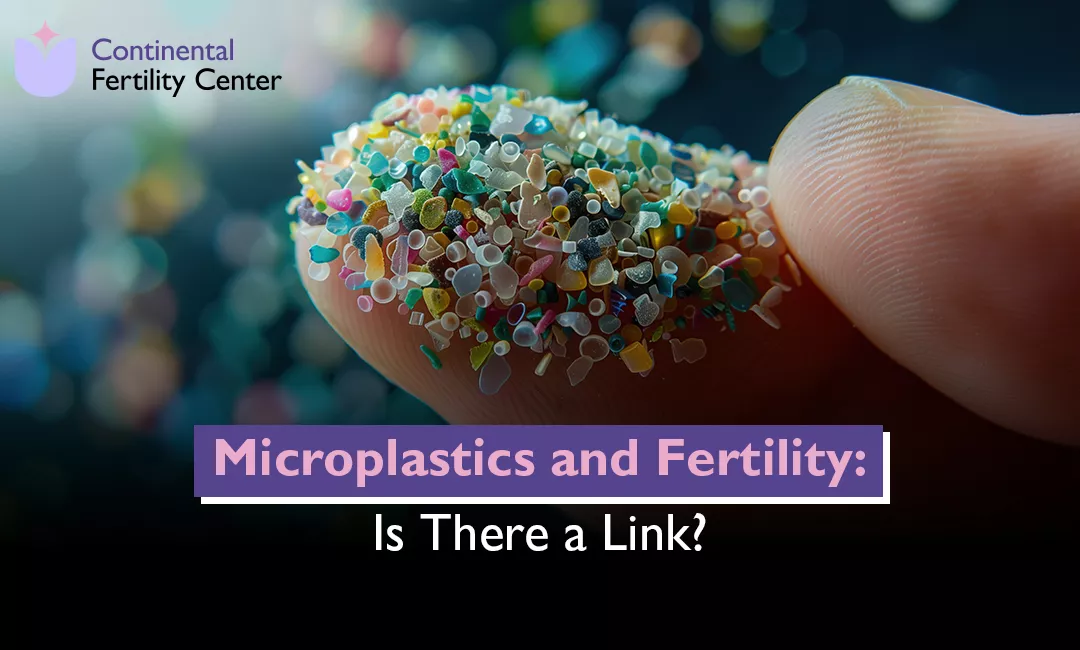
Microplastics and Fertility: Is There a Link?
Our modern lives are plasticized. Every day, we are enveloped by it; from the water bottles we carry to the food displays. Plastic allows us to be more human, but there is a cost. And the cost is beginning to settle into our bodies. Micro plastic particles, those that are under five millimeter in size, have set into our oceans, soil, and the very air we breathe. Now, researchers are beginning to understand the underlying biological effects of these minuscule plastic particles. An urgent question that has been raised is how these particles could affect our fertility.
Scientists have found these microplastic particles inside an individual's key organs, such as the placenta, testes, and ovaries. Because these particles are so small, they can slip through biological barriers, unnoticed by the human eye, and settle inside the body. The emerging microplastic-fertility scientific relationship leaves couples excited to learn more about the hidden factors that influence overall reproductive health.
Previously, patients have gone to clinics for new information within reproductive medicine and science. At Continental Fertility Center, we can never ignore the growing body of under-investigated research surrounding microplastics and reproductive health. Little do people know, microplastics are not just solid fragments of plastic; they are chemical additives designed to mimic natural hormones, essentially altering our reproductive processes. Safeguarding your overall reproductive health today means looking forward beyond standard clinic-based factors and now considering the fertility and environmental toxins that have risen into our daily lives.
How do microplastics enter our body and affect reproductive health?
Microplastics travel into human body by three main routes: ingestion, inhalation or contact with skin. You are ingesting thousands of microplastic per year simply by eating food that has been stored or prepared in plastic, by heating meals in plastic containers and by drinking bottled water. Once internalized, microplastics enter your bloodstream and travel to your reproductive organs, raising serious concerns for both fertility and the impact of the chemical contaminants present within plastic items.
The main mechanisms that can disrupt reproduction that are associated with microplastics are:
- Endocrine Disruption: plastic, and especially some of its additives (for example bisphenols (BPA), phthalates, etc.), acts as an estrogen mimic and can disturb our hormones.
- Cellular Oxidative Stress: microparticles exert physical friction on cells, stimulating inflammation and damaging healthy cells inside ovaries and testes.
- Chemical Bioaccumulation: the toxic chemicals bound to microplastics accumulate in reproductive tissues over time.
What are the symptoms and risk factors of microplastic exposure?
Because microplastic health effects appear to act directly at cellular level, there are no direct symptoms alerting us that we are burdened with a large particle content in our body. Rather, the manifestation is presented as subtle changes in our normal reproductive function, and is therefore difficult to detect other than if you suspect such changes to be the case. In general, environmental or occupational exposures to higher levels of microplastic are considered risk factors.
What signs could you look for?
- Any changes or irregularities to your menstrual cycle.
- Decreased sperm quality, decreased sperm count, or poor motility in common semen analysis tests.
- Inability to conceive despite a healthy lifestyle and no apparent structural causes.
- Repeated early miscarriages with no obvious medical cause.
How do doctors diagnose and treat environmental fertility problems?
There is no standard blood test to quantify human reproductive organs' microplastic content. To identify concerns, doctors assess broader functional damage from the environment. Specialists evaluate extensive functional markers, including hormone balance, gamete quality, and cellular health.
Treatments are multiple-tiered and center on cellular restoration and genetic toxin optimization. While we can't surgically remove microplastics from tissues, our expert medical interventions can help reverse their adverse impacts on fertility health through:
- Advanced hormone therapy: Attempting to re-imbalance endocrine-levels displaced by inherited plastic chemicals
- Antioxidant treatment: Prescribing specific, medical-grade antioxidants to confront cellular oxidative-stress caused by microparticles
- Detoxification and lifestyle counseling: Using personalized protocols to address chronic toxin presence.
What preventive lifestyle measures can reduce microplastic exposure risks?
Blood plasma microplastics are hidden, but the most effective strategy to protect your reproductive system from the microplastic's fertility connection is to reduce your exposure. Small daily changes in how you store, heat, and consume food can significantly reduce your bodyload of toxins.
As an introductory shift toward a healthier lifestyle, try the following simple, effective mitigation tips:
- Never heat containers, nor liquids, for microwave. Use glass, ceramic, or high quality stainless steel containers instead.
- Opt for glass or copper drinking and food containers instead of single-use plastic water bottles. Use an effective, high quality water filter system at home.
- Now, more than ever, your body is exposed to heavily processed and pre-packaged foods designed to retain while protecting food in synthetic plastic containers.
- Select local, fresh produce and house dust should be cleaned regularly since microplastics have a tendency to accumulate in household dust.
When to see a doctor in Continental Fertility Center?
When you and your partner have actively conceived for more than a year (or more than six months if your female partner is greater than 35) without success, it is time to see a doctor. It is highly recommended to see a doctor if you work in any industry with high plastic exposure, have chronic hormonal upset or have unexplained reproductive problems. Early assessment can prepare and protect your reproductive plans from the negative impact of modern environmental challenges.
Why Continental Fertility Center for Microplastics and Fertile Treatment?
It takes a multidisciplinary approach to understanding the complex effects of environmental toxins and what they do to our reproductive health. Continental Fertility Center has the best experience in the world and a caring environment to help you achieve your marriage of dreams:
- Top Specialists: We have highly skilled reproductive endocrinologists and fertility treatment specialists who have experience in diagnosing and managing patients with complex environmental fertility issues.
- Infrastructure and Technology: Our state of art infrastructure provides us the best embryology labs, test labs and other diagnostic facilities.
- Multidisciplinary Approach: We take a multidisciplinary and personalized approach to care that combines medical expertise, diet-based detoxification, and overall wellness.
- International Quality Certifications: We are proud of our world class JCI Accreditation and NABH Accreditation
- 24-hour Emergency and Critical Care: We are supported by 24/7 comprehensive emergency and critical care services for any medical contingencies.
- Personalized Care at the Highest Standards of Patient Comfort: Our dedicated clinical teams are all there for you - and focus on patient comfort, emotional support and their success in clinical outcomes.
Conclusion
This emerging correlation between our environment and reproductive health implores us to acknowledge the powerful role it plays. Microplastics have become ubiquitous in our day-to-day lives but you can take control and protect yourself, your health, and your future by making small lifestyle changes to better protect your reproductive future. Knowing the risks helps you decide what you do and do not accept.
If you have any question regarding microplastics and fertility, feel free to consult our best fertility specialist in Hyderabad at Continental Fertility Center. Come and visit Continental Hospitals for a detailed exam, and best treatment.
Related Blog Topics:
Frequently Asked Questions
Microplastics are tiny plastic particles measuring less than 5 millimeters in size. They originate from the breakdown of larger plastic products, synthetic clothing fibers, packaging materials, and industrial waste. Humans can be exposed to microplastics through drinking water, food, air, and everyday consumer products. Studies have found microplastics in seafood, table salt, bottled water, fruits, and vegetables. Once ingested or inhaled, these particles can enter the bloodstream and potentially accumulate in different organs. Researchers have detected microplastics in human tissues, including the lungs, liver, placenta, and reproductive organs. Continuous exposure has raised concerns about possible long-term health effects. Scientists are actively investigating how these particles may impact hormonal balance, fertility, and overall reproductive health.
Emerging research suggests that microplastics may have the potential to affect fertility in both men and women. These particles can carry chemicals known as endocrine disruptors, which may interfere with hormone production and regulation. Hormones play a critical role in ovulation, sperm production, fertilization, and pregnancy. Some laboratory studies have shown that exposure to microplastics may impair reproductive functions and reduce fertility potential. However, most current evidence comes from animal studies and experimental research. Human studies are still limited, and more research is needed to establish a direct causal relationship. Despite these uncertainties, scientists consider microplastic exposure a growing environmental and public health concern. Reducing exposure may be beneficial while research continues to evolve.
Research indicates that microplastics may negatively affect male reproductive health through several mechanisms. Animal studies have reported reductions in sperm count, sperm motility, and sperm quality following exposure to microplastic particles. These particles may increase oxidative stress and inflammation, which can damage reproductive tissues. Certain chemicals associated with plastics may also disrupt testosterone production and hormonal signaling. Hormonal imbalances can affect sperm development and overall fertility. Some studies have identified microplastics in human semen samples, raising concerns about their potential reproductive impact. However, the long-term consequences in humans are not yet fully understood. Ongoing research aims to determine how environmental exposure influences male fertility outcomes and reproductive health.
Microplastics may influence female reproductive health by interfering with hormonal balance and reproductive processes. Animal studies suggest that exposure can affect ovarian function, egg quality, and hormone production. Certain chemicals linked to plastics can mimic or block natural hormones such as estrogen, potentially disrupting menstrual cycles and ovulation. Researchers have also detected microplastics in human placental tissue, highlighting their ability to reach reproductive organs. Chronic exposure may contribute to inflammation and oxidative stress, which can affect reproductive health. While evidence in humans remains limited, scientists are actively studying the relationship between microplastics and fertility challenges. More large-scale human studies are needed to confirm these findings. Maintaining a healthy lifestyle and minimizing unnecessary plastic exposure may help reduce potential risks.
Yes, recent scientific studies have detected microplastics in several human tissues, including reproductive organs and related structures. Researchers have identified microplastic particles in placental tissue, semen samples, testes, and other biological specimens. These findings suggest that microplastics can travel throughout the body after ingestion or inhalation. The presence of these particles in reproductive tissues has raised concerns about their potential impact on fertility and pregnancy outcomes. However, the mere detection of microplastics does not automatically prove they cause reproductive disorders. Scientists are working to understand how particle size, concentration, and duration of exposure influence health risks. Additional research is required to determine the clinical significance of these findings. The growing evidence highlights the need for continued monitoring and investigation.
Endocrine disruptors are chemicals that can interfere with the body's hormone system. Many plastic products contain substances such as bisphenol A (BPA), phthalates, and other compounds that may act as endocrine disruptors. These chemicals can leach from plastics and attach to microplastic particles. Once inside the body, they may mimic, block, or alter the actions of natural hormones. Hormonal disruptions can affect reproductive functions, including sperm production, ovulation, implantation, and fetal development. Researchers believe that endocrine-disrupting chemicals may be one of the primary ways microplastics influence fertility. Although the exact impact varies depending on exposure levels, minimizing contact with such chemicals is generally recommended. Ongoing studies continue to examine their long-term effects on reproductive health.
Reducing exposure to microplastics involves making practical lifestyle changes. Using reusable glass or stainless-steel containers instead of plastic can help decrease contact with plastic particles. Limiting the use of single-use plastics and avoiding heating food in plastic containers may also reduce exposure. Choosing filtered drinking water can help minimize the ingestion of microplastics present in some water sources. Washing fruits and vegetables thoroughly before consumption is another useful step. Reducing reliance on heavily packaged foods may further lower exposure levels. Selecting natural-fiber clothing when possible can help decrease environmental plastic pollution. While it is difficult to eliminate exposure entirely, adopting these habits may contribute to better overall health and reduced environmental impact.
Couples trying to conceive should be aware of the growing scientific interest in the potential effects of microplastics on fertility. While current evidence suggests possible reproductive risks, researchers have not yet established a definitive cause-and-effect relationship in humans. Fertility is influenced by multiple factors, including age, genetics, lifestyle, nutrition, environmental exposures, and underlying medical conditions. Microplastics may represent one of several environmental factors that could affect reproductive health. Taking reasonable steps to reduce plastic exposure can be a proactive approach for individuals planning a pregnancy. Maintaining a healthy diet, exercising regularly, avoiding smoking, and managing stress remain important fertility-supporting measures. Couples experiencing difficulty conceiving should consult a fertility specialist for personalized evaluation and guidance. Professional medical advice is essential for addressing fertility concerns effectively.