
Top Causes of Female Infertility Explained
The dream of starting a family is a significant milestone for many. However, for some women, the journey to parenthood may involve unexpected hurdles. Understanding the underlying factors that contribute to reproductive health is the first step toward finding a solution. If you find yourself searching for the causes of infertility, you are not alone. Millions of women globally face similar challenges, and modern medical science offers more pathways to success than ever before.
Understanding Infertility in Women
Infertility is generally defined as the inability to conceive after one year of regular, unprotected intercourse, or six months for women over the age of 35. It is a complex medical condition rather than a reflection of one's lifestyle or choices. Female infertility can stem from various biological factors, ranging from hormonal imbalances to structural issues within the reproductive system. By identifying the specific causes of infertility, medical professionals can tailor treatments to help women achieve their goal of a healthy pregnancy.
Primary Causes of Infertility
Several conditions can affect a woman's ability to conceive. Here are the most common factors that specialists investigate:
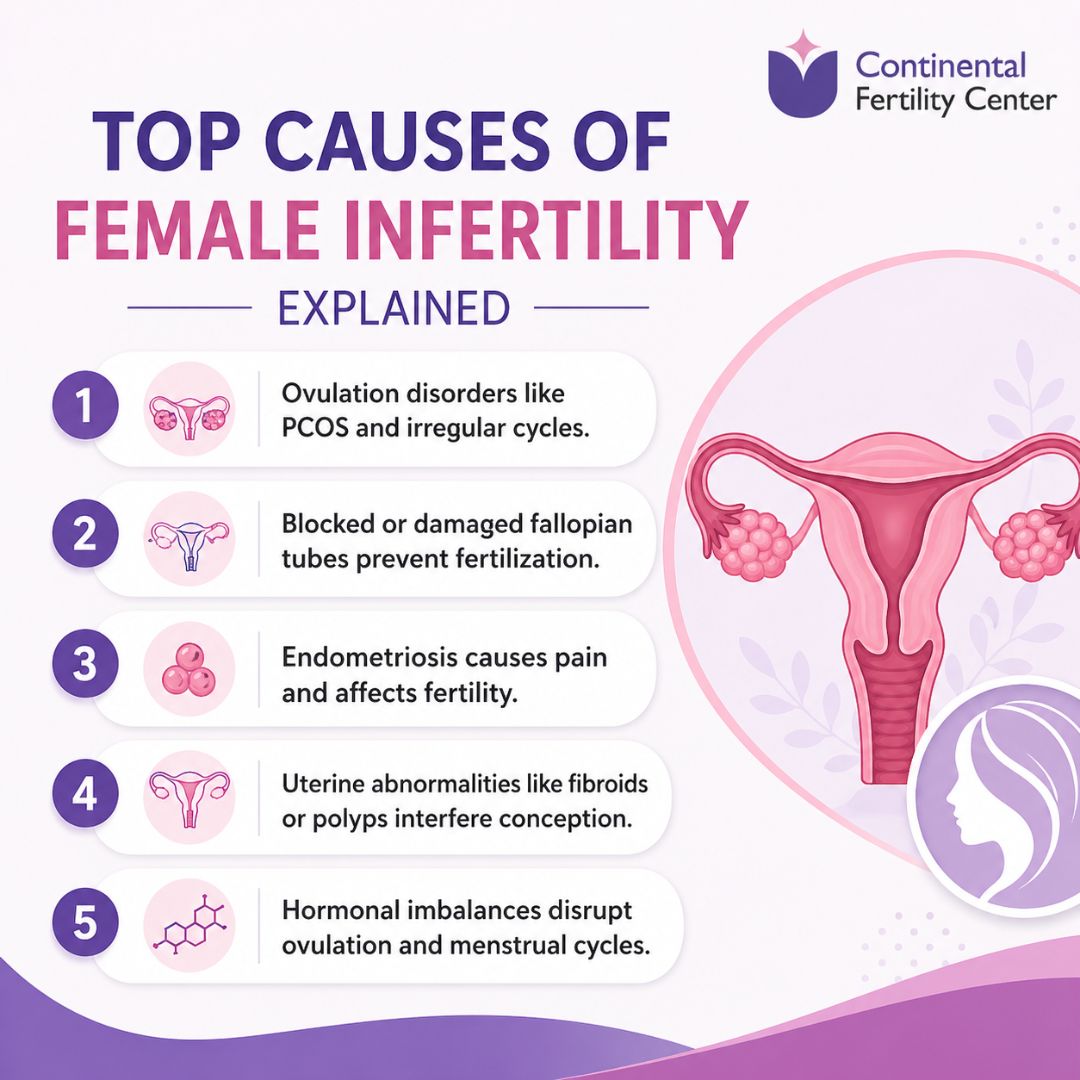
1. Ovulation Disorders
Ovulation is the monthly process where an egg is released from the ovary. If this process is disrupted, conception becomes difficult. This is one of the most frequent causes of infertility.
Polycystic Ovary Syndrome (PCOS): This hormonal disorder causes an imbalance that interferes with regular ovulation.
Hypothalamic Dysfunction: Stress or extreme weight changes can affect the hormones responsible for stimulating ovulation.
Premature Ovarian Failure: This occurs when the ovaries stop functioning normally before the age of 40.
2. Damage to Fallopian Tubes
The fallopian tubes are the pathways where the egg and sperm meet. If these tubes are blocked or damaged, they prevent the sperm from reaching the egg or the fertilized egg from reaching the uterus. Common reasons for tube damage include pelvic inflammatory disease, previous surgeries, or infections.
3. Endometriosis
Endometriosis occurs when tissue similar to the lining of the uterus grows outside of it. This extra tissue growth can affect the function of the ovaries, uterus, and fallopian tubes. It often causes pain and is a leading factor in female infertility.
4. Uterine or Cervical Issues
The environment where the embryo implants must be healthy. Issues such as benign polyps or fibroids in the uterus can block the fallopian tubes or interfere with implantation. Additionally, cervical narrowing or problems with the quality of cervical mucus can make it harder for sperm to travel through the cervix.
Lifestyle Factors and Women's Health
While medical conditions are the primary drivers, general women's health and lifestyle play a supporting role in fertility. Factors such as age, body weight, and high stress levels can impact hormonal balance. As women age, the quantity and quality of their eggs naturally decline, which is why seeking an infertility treatment consultation earlier rather than later is often recommended.
Why Choose Continental Fertility Centre?
When dealing with a sensitive journey like fertility, the choice of healthcare provider is paramount. Continental Fertility Center is recognized as the best hospital in Hyderabad for comprehensive care, offering a blend of world-class technology and compassionate expertise.
Accreditations and Quality Standards
Continental Hospitals holds prestigious accreditations, including JCI (Joint Commission International) and NABH (National Accreditation Board for Hospitals & Healthcare Providers). These certifications ensure that patients receive care that meets the highest global safety and quality standards. Our commitment to excellence is reflected in our advanced laboratory facilities and our adherence to evidence-based medical protocols.
Advanced Diagnostic Tools
At the Continental Fertility Centre, we utilize high-resolution imaging and sophisticated hormonal assays to pinpoint the exact causes of infertility. Our diagnostic approach is thorough, ensuring no stone is left unturned.
Holistic and Personalized Care
We believe that every woman's body is unique. Our specialists do not offer one-size-fits-all solutions. Instead, we create personalized infertility treatment plans that address your specific medical history and reproductive goals.
Infertility Treatment Options
Advancements in reproductive medicine have made it possible to overcome many female infertility causes. Depending on the diagnosis, treatments may include:
- Laparoscopic Surgery: To remove endometriosis or fibroids that may be obstructing the reproductive path.
- Hormonal Therapy: To regulate or induce ovulation in women with PCOS or other hormonal imbalances.
- Intrauterine Insemination (IUI): A procedure where healthy sperm are placed directly in the uterus around the time of ovulation.
- In Vitro Fertilization (IVF): A more advanced process where eggs are fertilized in a lab and then transferred to the uterus.
The Importance of Seeking Help Early
Many couples wait several years before seeking professional advice, often hoping that a change in diet or timing will suffice. While healthy habits are important, they cannot always overcome biological barriers like blocked tubes or PCOS. If you are experiencing irregular cycles, painful periods, or have been trying to conceive without success, it is vital to consult a specialist. Early intervention often leads to higher success rates and a wider variety of treatment options.
Conclusion
Navigating the complexities of female infertility can be emotionally and physically taxing. However, understanding the causes of infertility provides a roadmap for action. Whether the challenge is hormonal, structural, or age-related, there are effective medical interventions available to support your journey. At Continental Hospitals, we combine clinical excellence with a supportive environment to help you build the family you desire.
Are you worried about your reproductive health? If you suffer from irregular periods, pelvic pain, or have been unable to conceive, it is time to speak with a professional. Our expert team is here to provide the clarity and care you deserve.
Book a consultation today with our best infertility specialist in Hyderabad at Continental Fertility Centre, Hyderabad.
Related Blog Topics:
Frequently Asked Questions
The most common causes of female infertility include ovulation disorders, polycystic ovary syndrome (PCOS), blocked fallopian tubes, endometriosis, and hormonal imbalances. Age and lifestyle factors also play a significant role.
PCOS disrupts hormonal balance, leading to irregular ovulation or absence of ovulation. This makes it difficult for the ovaries to release eggs regularly, reducing the chances of pregnancy.
Yes, female fertility declines with age, especially after 35. Egg quantity and quality decrease over time, making conception more difficult and increasing the risk of complications.
Fallopian tubes are essential for transporting the egg and sperm. If they are blocked or damaged, fertilization cannot occur, which can lead to infertility.
Endometriosis causes tissue similar to the uterine lining to grow outside the uterus. This can lead to inflammation, scarring, and blockage of reproductive organs, affecting fertility.
Yes, hormonal imbalances can interfere with ovulation and menstrual cycles. Conditions affecting thyroid or prolactin levels can disrupt the reproductive process.
Lifestyle factors such as smoking, excessive alcohol intake, obesity, stress, and poor diet can negatively impact fertility by affecting hormone levels and ovulation.
A woman should consult a doctor if she has been trying to conceive for one year (or six months if over 35) without success, or if she has irregular periods or known reproductive health issues.