
7 Hidden Signs Your Fertility May Be Declining
Fertility is an important part of your overall health. Many people assume fertility problems become noticeable only when they start trying to have a baby. However, your body often gives early warning signs that may indicate a fertility decline. Recognizing these signs early can help you seek medical advice, improve your fertility health, and increase your chances of a successful pregnancy.
A fertility decline can affect both women and men. Lifestyle habits, medical conditions, hormonal changes, age, and genetics can all contribute to changes in reproductive health. Understanding the signs of declining fertility allows you to take timely action before fertility problems become more serious. If you notice any of these infertility symptoms, consulting a fertility specialist can help identify the underlying cause and guide you toward the right treatment.
What Is Fertility Decline?
A fertility decline refers to a gradual reduction in a person's ability to conceive naturally. While fertility naturally changes with age, other factors can also speed up this process. Poor lifestyle habits, untreated medical conditions, hormonal imbalances, stress, obesity, smoking, excessive alcohol consumption, and certain medications may all contribute to declining fertility.
The good news is that early diagnosis and proper treatment can improve fertility health in many cases. Paying attention to your body's signals is the first step toward protecting your reproductive health.
What Are the Hidden Signs of Declining Fertility?
Many infertility symptoms are subtle and easy to overlook. Here are seven hidden signs that may indicate a fertility decline.
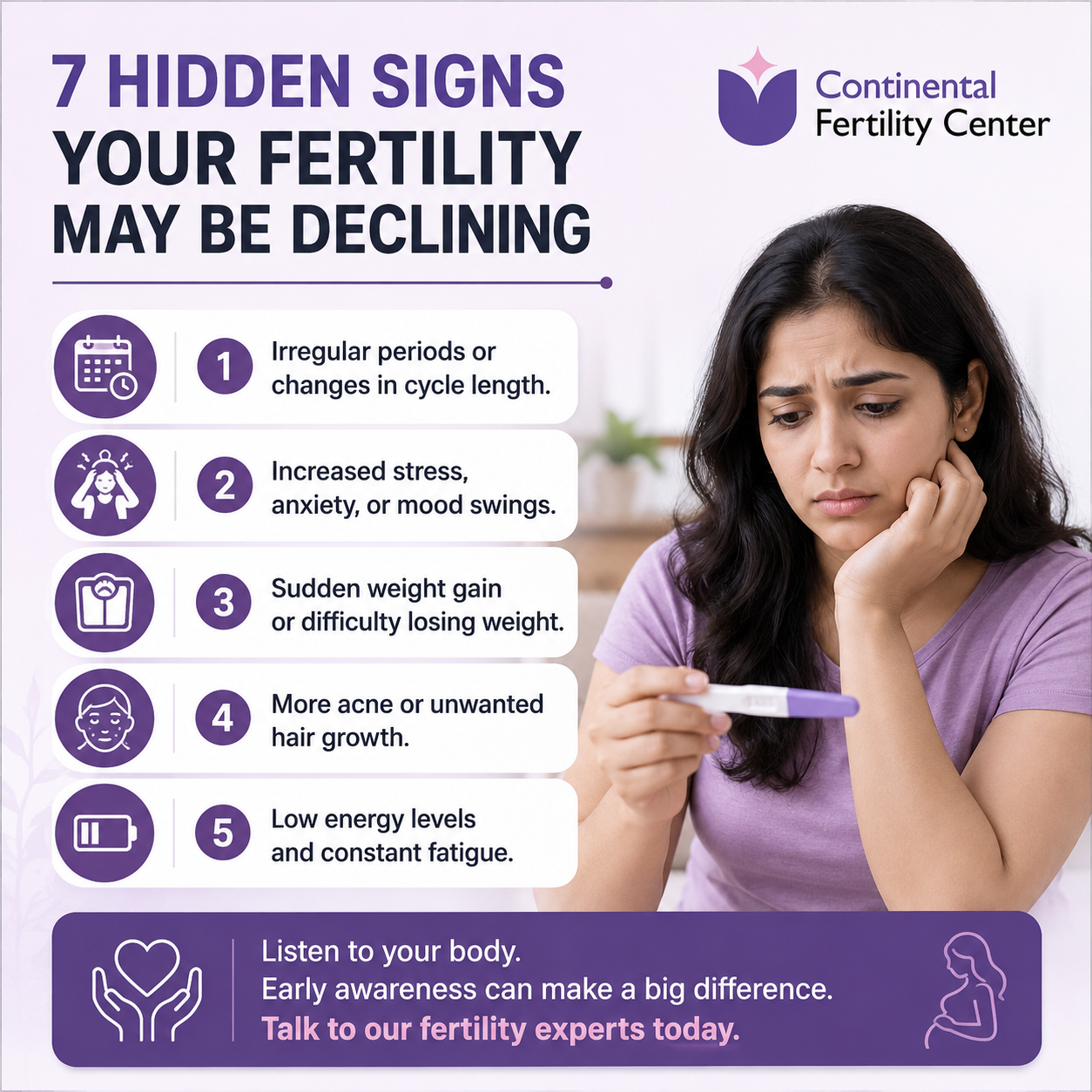
1. Are Your Menstrual Cycles Becoming Irregular?
A regular menstrual cycle is one of the strongest indicators of healthy ovulation.
Watch for signs such as:
- Periods arriving too early or too late
- Skipping menstrual cycles
- Extremely heavy bleeding
- Very light periods
- Bleeding between periods
Irregular cycles may indicate hormonal imbalance, polycystic ovary syndrome, thyroid disorders, or reduced ovarian function. These conditions may contribute to fertility decline if left untreated.
2. Is Severe Period Pain Becoming More Common?
Mild discomfort during menstruation is common, but severe pain should never be ignored.
Painful periods may be linked to:
- Endometriosis
- Uterine fibroids
- Pelvic inflammatory disease
- Adenomyosis
These conditions may affect reproductive health and reduce fertility if treatment is delayed. A fertility specialist can identify the cause and recommend appropriate care.
3. Have You Noticed Unexplained Hormonal Changes?
Hormones play a major role in fertility health. Even small hormonal changes can interfere with ovulation and sperm production.
Possible infertility symptoms include:
- Sudden acne
- Hair thinning
- Unwanted facial hair
- Weight gain
- Weight loss
- Mood changes
- Reduced sexual desire
These symptoms may indicate hormonal imbalance, which can contribute to fertility decline in both men and women.
4. Are You Experiencing Changes in Sexual Health?
Changes in sexual health can sometimes signal underlying fertility problems.
Common signs include:
- Low libido
- Pain during intercourse
- Vaginal dryness
- Erectile dysfunction
- Difficulty maintaining an erection
Ignoring these symptoms may delay the diagnosis of conditions affecting reproductive health. Early medical evaluation can improve treatment outcomes.
5. Have You Had Multiple Pregnancy Losses?
Repeated miscarriages can be emotionally difficult and may indicate an underlying fertility issue.
Possible causes include the following:
- Genetic abnormalities
- Hormonal disorders
- Uterine abnormalities
- Autoimmune conditions
- Blood clotting disorders
Experiencing more than one pregnancy loss should prompt a comprehensive fertility evaluation to determine the cause and support future pregnancies.
6. Are Lifestyle Habits Affecting Your Fertility Health?
Your daily habits can significantly influence fertility.
Factors that may contribute to fertility decline include:
- Smoking
- Excessive alcohol consumption
- Poor nutrition
- Lack of exercise
- Obesity
- Poor sleep quality
- Chronic stress
Making healthy lifestyle changes can improve reproductive health and may increase the chances of conception.
7. Could Male Fertility Be Declining Without Notice?
Male fertility contributes to nearly half of all infertility cases. Unfortunately, many men do not experience obvious symptoms.
Possible warning signs include:
- Reduced sperm count
- Low sperm motility
- Changes in ejaculation
- Testicular swelling
- Persistent testicular pain
- Hormonal imbalance
A semen analysis and consultation with a fertility specialist can help identify male fertility problems early.
Who Is at Greater Risk of Fertility Decline?
Some people have a higher risk of developing fertility problems.
Risk factors include:
- Age above 35 years for women
- Age above 40 years for men
- Polycystic ovary syndrome
- Endometriosis
- Thyroid disorders
- Diabetes
- Obesity
- Smoking
- Alcohol use
- Family history of infertility
- Previous pelvic infections
- Cancer treatments
Knowing your risk factors can help you seek timely medical advice.
How Can You Protect Your Fertility Health?
Taking care of your reproductive health today may improve your chances of conception in the future.
Simple ways to support fertility health include:
- Maintain a healthy body weight.
- Eat a balanced diet rich in fruits, vegetables, whole grains, and protein.
- Exercise regularly.
- Get adequate sleep every night.
- Manage stress through healthy relaxation techniques.
- Avoid smoking and recreational drugs.
- Limit alcohol intake.
- Schedule regular health checkups.
- Seek medical advice if pregnancy does not occur after trying for the recommended time.
Early intervention often provides better treatment outcomes for many fertility problems.
When Should You See a Fertility Specialist?
You should consider consulting a fertility specialist if:
- You are under 35 and have been trying to conceive for one year without success.
- You are over 35 and have been trying for six months.
- You have irregular or absent menstrual cycles.
- You have recurrent miscarriages.
- You have known reproductive health conditions.
- You have infertility symptoms affecting daily life.
- Your partner has been diagnosed with male fertility problems.
A comprehensive fertility evaluation can identify the cause and help create a personalized treatment plan.
Why Choose Continental Fertility Center?
Choosing the right fertility center plays an important role in your parenthood journey. Continental Fertility Center offers comprehensive fertility care with a patient-focused approach. Our experienced fertility specialists use advanced diagnostic technologies and evidence-based treatment plans to identify the causes of fertility decline and provide personalized solutions for every couple.
Continental Hospitals is one of the best hospitals in Hyderabad, known for delivering world-class healthcare across multiple specialties. The hospital is accredited by JCI, NABH, and QAI, reflecting its commitment to international standards of patient safety, quality care, and clinical excellence. From fertility evaluation and assisted reproductive treatments to advanced reproductive medicine, every patient receives compassionate care in a modern healthcare environment designed to support successful outcomes.
Conclusion
A fertility decline does not always happen suddenly. Your body often provides early warning signs that should never be ignored. Recognizing the signs of declining fertility, understanding infertility symptoms, and taking timely action can protect your fertility health and improve your chances of building a family. Early diagnosis, healthy lifestyle choices, and expert medical guidance can make a significant difference in your reproductive health journey.
If you are experiencing a fertility decline, noticing infertility symptoms, or facing fertility problems, do not wait for the signs to worsen. The fertility specialists at Continental Fertility Center provide comprehensive evaluation, advanced fertility testing, personalized treatment plans, and compassionate care for both women and men. Book your consultation today and take the first step toward achieving your dream of parenthood with expert guidance from the fertility specialists in Hyderabad at Continental Hospitals, the best hospital in Hyderabad.
Related Blogs:
Frequently Asked Questions
Fertility decline often begins with subtle changes that many people overlook. Common early signs include irregular menstrual cycles, difficulty tracking ovulation, changes in menstrual flow, severe period pain, hormonal imbalances, and unexplained weight changes. Men may notice reduced libido, erectile problems, or changes in semen quality. Age also plays a major role, especially after the age of 35 in women and gradually in men after 40. Recognizing these warning signs early allows timely medical evaluation and treatment. Lifestyle factors such as smoking, stress, poor sleep, unhealthy eating habits, and obesity can also affect fertility. If you have been trying to conceive without success for several months, consult a fertility specialist. Early diagnosis can improve the chances of successful treatment and pregnancy.
Yes. Irregular menstrual cycles are one of the most common indicators of potential fertility problems. A healthy menstrual cycle usually occurs every 21 to 35 days. Cycles that are consistently shorter, longer, or unpredictable may suggest irregular ovulation or hormonal imbalance. Conditions such as PCOS, thyroid disorders, premature ovarian insufficiency, and elevated prolactin levels can contribute to irregular periods. Missing periods or frequent cycle changes should not be ignored. Although some women naturally have slightly irregular cycles, persistent irregularity warrants medical evaluation. Fertility specialists can perform hormone tests, ultrasound scans, and ovulation assessments to identify the underlying cause. Early treatment often helps restore ovulation and improves pregnancy outcomes.
Yes. Age is one of the most important factors affecting fertility. Women experience a gradual decline in both egg quantity and quality after the age of 30, with a more rapid decline after 35. This can reduce natural conception rates and increase the risk of miscarriage. Men also experience age related fertility changes, including reduced sperm quality, motility, and DNA integrity, although the decline is usually slower. Advanced parental age may also increase certain pregnancy complications. While many people conceive naturally later in life, fertility assessments become increasingly important with age. Consulting a fertility specialist early can help identify the best options and improve reproductive planning.
Yes. Everyday lifestyle choices have a significant impact on reproductive health. Smoking damages eggs and sperm, while excessive alcohol consumption can disrupt hormone production. Obesity and being underweight may interfere with ovulation and sperm production. Poor nutrition, chronic stress, inadequate sleep, and a sedentary lifestyle can also negatively affect fertility. Exposure to environmental toxins and excessive heat around the reproductive organs may reduce sperm quality in men. Maintaining a healthy body weight, eating a balanced diet, exercising regularly, managing stress, and avoiding tobacco can help preserve fertility. Healthy habits also improve the success rates of fertility treatments when required.
Couples under the age of 35 should consider fertility evaluation if pregnancy has not occurred after one year of regular, unprotected intercourse. Couples aged 35 or older should seek evaluation after six months of trying. Immediate consultation is recommended for women with irregular periods, recurrent miscarriages, endometriosis, pelvic infections, or previous reproductive surgery. Men with low sperm count, erectile dysfunction, previous testicular surgery, or hormonal disorders should also undergo evaluation. Fertility testing includes hormone analysis, ultrasound scans, ovarian reserve assessment, semen analysis, and additional investigations when necessary. Early diagnosis helps identify treatable causes and increases the chances of successful conception.
Hormones regulate ovulation, sperm production, and the overall reproductive process. Imbalances involving estrogen, progesterone, follicle stimulating hormone, luteinizing hormone, thyroid hormones, insulin, or prolactin can interfere with fertility. Women may experience irregular periods, acne, excessive hair growth, or difficulty ovulating. Men may notice reduced libido, erectile dysfunction, or lower sperm production. Hormonal problems are commonly caused by conditions such as PCOS, thyroid disease, diabetes, obesity, and pituitary disorders. Blood tests and imaging studies help identify hormonal abnormalities. Appropriate medical treatment, lifestyle modifications, and fertility therapies can restore hormonal balance and improve reproductive outcomes.
No. Many people with fertility issues experience no obvious symptoms until they begin trying to conceive. Some conditions, including blocked fallopian tubes, mild endometriosis, reduced ovarian reserve, or poor sperm quality, may remain silent for years. Others may have subtle warning signs such as irregular periods, painful menstruation, pelvic discomfort, decreased libido, or hormonal changes. Because fertility problems can exist without clear symptoms, routine reproductive health checkups become especially important for individuals planning pregnancy. Early fertility assessment can detect hidden issues before they become more challenging to treat. Timely diagnosis allows personalized treatment and improves the chances of a healthy pregnancy.
A fertility specialist evaluates both partners to identify the exact cause of infertility. Comprehensive testing may include hormone analysis, ovarian reserve testing, ultrasound scans, semen analysis, genetic screening, and imaging of the reproductive organs. Based on the findings, treatment options may include lifestyle modifications, medications to improve ovulation, hormonal therapy, minimally invasive procedures, intrauterine insemination, or in vitro fertilization. Specialists also provide guidance on nutrition, timing of intercourse, stress management, and fertility preservation when appropriate. Personalized treatment plans improve success rates while addressing each couple's unique reproductive needs. Seeking expert care early often leads to better outcomes and greater confidence throughout the fertility journey.