

Is Your Lifestyle Secretly Reducing Fertility?
Fertility is influenced by many factors, and one of the most important is your everyday lifestyle. Many people focus only on medical conditions when trying to conceive, but daily habits can quietly affect reproductive health without showing obvious signs. Understanding the connection between lifestyle and fertility can help couples make informed choices that support a healthy pregnancy.
The relationship between lifestyle and fertility is stronger than many people realize. Factors such as diet, sleep, physical activity, stress, smoking, alcohol consumption, weight, and environmental exposure all play a role in fertility health. The good news is that many of these factors can be improved with simple lifestyle changes. Whether you are planning your first pregnancy or have been trying to conceive for some time, adopting healthy habits can improve your chances of building a family.
What Is the Connection Between Lifestyle and Fertility?
Your body depends on a healthy balance of hormones for successful reproduction. Daily habits influence these hormones and directly affect reproductive health in both men and women.
A healthy lifestyle and fertility connection means your body receives the nutrition, rest, and care it needs to produce healthy eggs and sperm. Poor lifestyle choices can interfere with ovulation, reduce sperm quality, affect hormone production, and increase the risk of infertility causes.
While some fertility challenges require medical treatment, many couples benefit from improving their fertility lifestyle before or alongside fertility treatments.
Which Lifestyle Habits Can Reduce Fertility?
Several everyday habits may lower fertility without people realizing it.
Poor Nutrition
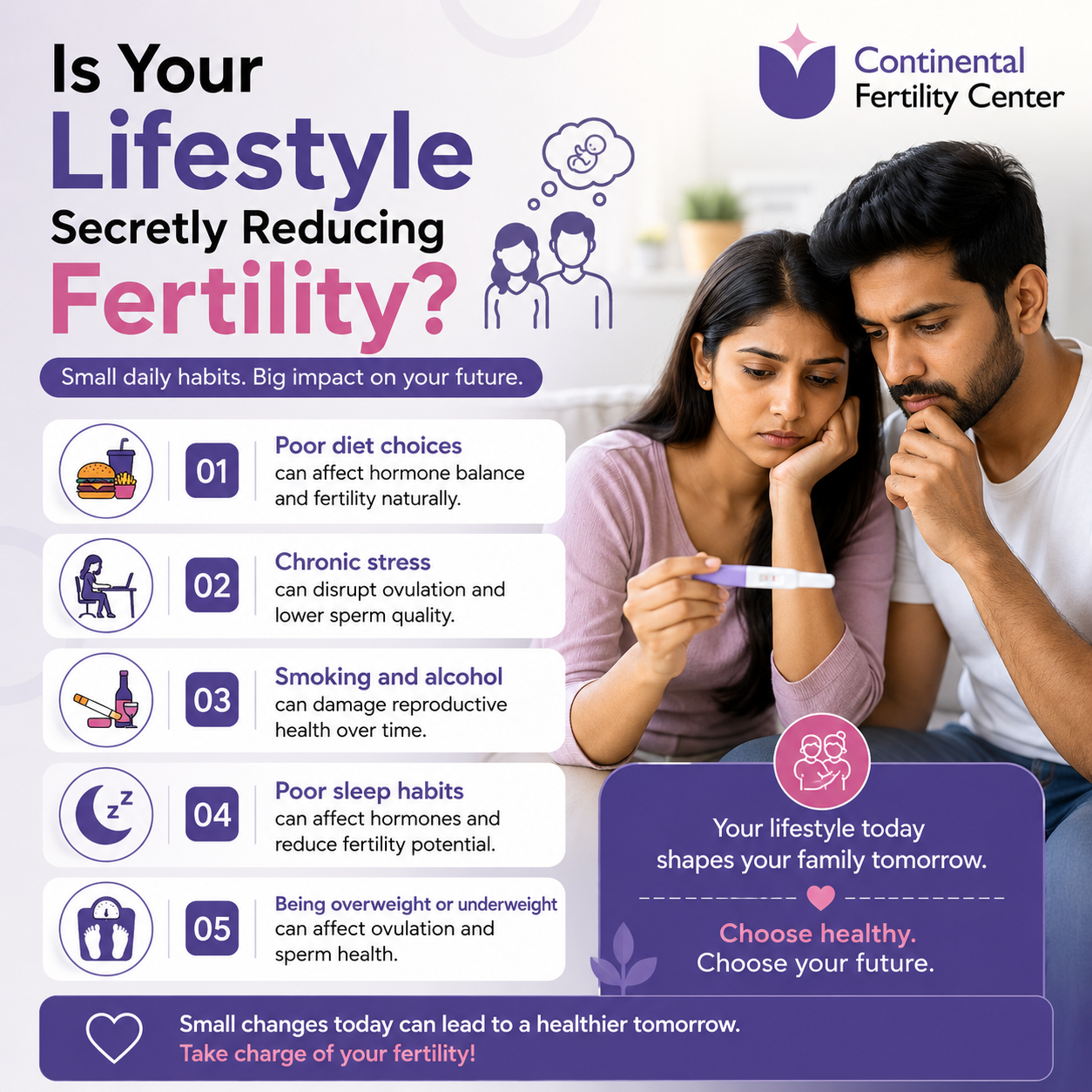
A diet high in processed foods, sugary drinks, and unhealthy fats may affect hormone balance. Your reproductive system requires vitamins, minerals, antioxidants, healthy fats, and protein to function properly.
Healthy eating supports fertility health by providing nutrients that help egg quality, sperm production, and hormone regulation.
Lack of Physical Activity
Regular exercise helps maintain a healthy weight and improves hormone function.
However, both inactivity and excessive exercise can negatively affect fertility. Finding the right balance is important for reproductive health.
Poor Sleep
Sleep is essential for hormone production. Irregular sleep schedules or insufficient sleep may interfere with hormones responsible for ovulation and sperm production.
Adults should aim for seven to nine hours of quality sleep each night to support fertility health.
Chronic Stress
Long-term stress may affect hormone levels and make conception more difficult.
Although stress alone may not directly cause infertility, it can contribute to unhealthy habits, irregular menstrual cycles, and reduced sexual desire.
Managing stress through relaxation techniques, exercise, hobbies, and emotional support may improve your fertility lifestyle.
Can Body Weight Affect Fertility?
Yes. Maintaining a healthy body weight is important for both men and women.
Being overweight or underweight can disrupt hormone production and affect ovulation. In men, obesity may reduce testosterone levels and decrease sperm quality.
Healthy weight management supports better reproductive health and improves the chances of natural conception as well as fertility treatment success.
Does Smoking Affect Fertility?
- Smoking is one of the leading lifestyle factors linked to infertility causes.
- In women, smoking can reduce egg quality and speed up the loss of healthy eggs.
- In men, smoking may reduce sperm count, sperm movement, and sperm quality.
- Quitting smoking benefits overall health and significantly improves fertility health.
Does Alcohol Impact Fertility?
Frequent alcohol consumption may interfere with reproductive hormones in both men and women.
Reducing or avoiding alcohol while trying to conceive is recommended because it supports better fertility health and healthier pregnancy outcomes.
Can Environmental Factors Reduce Fertility?
Exposure to certain chemicals and pollutants may affect reproductive health.
Some examples include:
- Air pollution
- Pesticides
- Heavy metals
- Industrial chemicals
- Excessive heat exposure
- Certain workplace chemicals
Reducing unnecessary exposure to harmful substances is an important part of maintaining a healthy fertility lifestyle.
What Foods Support Fertility Health?
Eating a balanced diet supports healthy hormone function and reproductive health.
Include foods such as:
- Fresh fruits and vegetables
- Whole grains
- Lean proteins
- Fish rich in omega 3 fatty acids
- Nuts and seeds
- Beans and lentils
- Dairy products in moderation
- Healthy fats from olive oil and avocado
These foods provide antioxidants, vitamins, and minerals that support healthy egg and sperm development.
What Are the Best Fertility Lifestyle Tips?
Simple daily habits can make a meaningful difference.
Follow these fertility tips:
- Eat a balanced and nutritious diet.
- Maintain a healthy body weight.
- Exercise regularly without overtraining.
- Sleep at least seven to nine hours every night
- Avoid smoking and tobacco products.
- Limit alcohol intake.
- Drink enough water daily.
- Manage stress through healthy activities.
- Reduce exposure to harmful chemicals.
- Schedule regular health checkups.
- Seek medical advice if pregnancy does not occur after trying for the recommended period.
These fertility tips support better reproductive health and may improve the chances of conception.
When Should You See a Fertility Specialist?
Many couples wonder when it is time to seek professional help.
You should consider consulting a fertility specialist if:
- You are under 35 years old and have been trying to conceive for one year without success.
- You are over 35 years old and have been trying for six months.
- You have irregular or absent menstrual periods.
- You have a history of miscarriage.
- You have been diagnosed with conditions such as PCOS, endometriosis, or low sperm count.
- You have known reproductive health concerns.
- You have previously undergone cancer treatment affecting your fertility.
Early evaluation can identify infertility causes and allow timely treatment.
How Can Lifestyle Changes Improve Fertility Treatment Success?
Healthy habits do not only improve natural conception. They also support better outcomes during fertility treatments.
Following a healthy lifestyle and fertility plan before IVF or other assisted reproductive procedures may improve hormone balance, egg quality, sperm health, and overall reproductive health.
Your fertility specialist may recommend specific dietary changes, exercise routines, supplements, and stress management strategies based on your individual needs.
Why Choose Continental Fertility Centre?
Continental Fertility Center is one of the trusted destinations for advanced fertility care in Hyderabad. The center offers comprehensive evaluation, accurate diagnosis, and personalized treatment plans for couples facing fertility challenges.
The experienced fertility specialists provide expert care for both male and female infertility using advanced diagnostic technology and evidence-based treatment approaches. Every treatment plan is designed according to the patient's unique medical condition and reproductive goals.
Continental Hospitals is internationally recognized for delivering high-quality healthcare and is accredited by JCI, NABH, and QAI. These prestigious accreditations reflect the hospital's commitment to patient safety, clinical excellence, quality standards, and compassionate care. With advanced laboratory facilities, modern fertility technology, and a multidisciplinary team, Continental Fertility Centre provides comprehensive fertility services under one roof.
Conclusion
Many people are unaware that everyday habits can quietly affect their ability to conceive. Understanding the relationship between lifestyle and fertility empowers individuals and couples to make healthier choices that support reproductive health. A nutritious diet, regular exercise, healthy weight, quality sleep, stress management, and avoiding harmful substances all contribute to better fertility health. While lifestyle improvements are valuable, persistent fertility concerns should never be ignored. Early consultation with an experienced fertility specialist can identify infertility causes, provide timely treatment, and improve the chances of a successful pregnancy.
Consult the best fertility clinic in Hyderabad at Continental Fertility Centre for a complete fertility evaluation, personalised fertility lifestyle guidance, and advanced treatment options designed to help you achieve your dream of parenthood.
Related Blogs:
Frequently Asked Questions
Yes. Everyday lifestyle habits can significantly influence fertility in both men and women. Poor nutrition, lack of exercise, smoking, excessive alcohol consumption, chronic stress, inadequate sleep, and obesity can interfere with hormone production and reproductive function. These factors may affect ovulation, egg quality, sperm count, sperm motility, and overall reproductive health. While lifestyle alone may not be the only cause of infertility, it can increase the time it takes to conceive. Making healthy lifestyle changes often improves fertility naturally and also increases the success rates of fertility treatments such as IVF. Maintaining a healthy weight, eating a balanced diet, exercising regularly, managing stress, and avoiding harmful substances can support reproductive health. If pregnancy has not occurred after trying for an appropriate period, consulting a fertility specialist is recommended.
Several lifestyle factors can influence fertility. Smoking damages eggs and sperm and accelerates reproductive aging. Excessive alcohol consumption disrupts hormone balance and reduces fertility in both men and women. Poor dietary habits may lead to nutrient deficiencies that affect reproductive function. Being overweight or underweight can interfere with ovulation and hormone production. Chronic stress may alter hormone levels and menstrual cycles. Lack of quality sleep affects hormones involved in reproduction. Exposure to environmental toxins, excessive heat for men, and a sedentary lifestyle can also reduce fertility. Addressing these factors through healthier daily habits may improve the chances of natural conception and support successful fertility treatment outcomes.
Stress alone may not directly cause infertility, but long term stress can negatively affect reproductive health. High stress levels may interfere with hormones that regulate ovulation in women and sperm production in men. Stress can also reduce libido, affect relationships, contribute to poor sleep, unhealthy eating habits, smoking, or alcohol use, all of which may further impact fertility. Managing stress through regular physical activity, mindfulness, yoga, meditation, counseling, and adequate rest may improve emotional wellbeing and support reproductive health. Couples trying to conceive should focus on maintaining both physical and mental health while seeking medical advice if pregnancy is delayed.
Yes. Body weight plays an important role in reproductive health. Excess body fat can lead to hormonal imbalances, irregular ovulation, insulin resistance, and conditions such as PCOS, making conception more difficult. Being underweight may reduce estrogen production and cause irregular or absent menstrual cycles. In men, obesity can lower testosterone levels, reduce sperm quality, and impair fertility. Achieving and maintaining a healthy body weight through balanced nutrition and regular exercise can improve fertility naturally. Even modest weight loss in overweight individuals has been shown to improve ovulation and pregnancy outcomes in many cases.
A healthy diet provides the nutrients needed for hormone production, egg development, sperm health, and successful pregnancy. Diets rich in fruits, vegetables, whole grains, lean proteins, healthy fats, and antioxidants support reproductive function. Nutrients such as folic acid, vitamin D, iron, zinc, selenium, and omega 3 fatty acids are particularly important. Highly processed foods, excessive sugar, trans fats, and frequent consumption of unhealthy fast foods may negatively affect fertility over time. Staying well hydrated and following a balanced eating pattern can improve overall health and support the body's natural reproductive processes.
Yes. Smoking is one of the most harmful lifestyle factors for fertility. It damages eggs, reduces ovarian reserve, affects sperm DNA, lowers sperm count, and increases the risk of miscarriage. Excessive alcohol consumption may interfere with hormone production, reduce sperm quality, disrupt ovulation, and decrease fertility in both men and women. Quitting smoking and limiting or avoiding alcohol before trying to conceive can significantly improve reproductive health. These healthy changes also reduce pregnancy complications and improve the chances of successful fertility treatments when required.
Regular moderate exercise supports fertility by improving circulation, maintaining a healthy body weight, reducing stress, and enhancing hormone balance. Activities such as brisk walking, cycling, swimming, yoga, and strength training performed several times each week are generally beneficial. However, excessive high intensity exercise without adequate nutrition may disrupt ovulation in women and affect hormone levels. The goal is to maintain consistent physical activity without overtraining. A personalized fitness plan based on individual health conditions and fertility goals is often the most effective approach.
Couples should consider consulting a fertility specialist if pregnancy has not occurred after one year of regular unprotected intercourse, or after six months if the woman is over the age of 35. Medical evaluation is also recommended for women with irregular menstrual cycles, known reproductive disorders, recurrent pregnancy loss, or men with concerns about sperm health. A fertility specialist can identify underlying medical conditions, recommend appropriate tests, and develop a personalized treatment plan. Early evaluation improves the chances of successful treatment and helps couples make informed decisions about their reproductive health.