

Heat, Laptops, and Mobile Phones: Do They Affect Sperm Health?
Many men wonder whether everyday habits like using a laptop on the lap or keeping a mobile phone in the pocket can affect sperm health. With increasing awareness about male fertility, questions about heat exposure, electronic devices, and reproductive health have become more common. While these devices make life easier, understanding how they may influence sperm quality is important for men who are planning to start a family.
Healthy sperm health depends on several factors, including lifestyle, nutrition, exercise, sleep, medical conditions, and environmental exposure. Heat is one factor that has received significant attention because the testes naturally function at a temperature slightly lower than normal body temperature. Prolonged exposure to heat may interfere with sperm production, making it essential to understand the facts behind laptops, mobile phones, and daily habits.
Why Is Sperm Health Important?
Good sperm health plays a vital role in successful conception. Healthy sperm should have:
- Good sperm count
- Strong movement or motility
- Normal shape and structure
- Healthy DNA
- Proper semen volume
Any factor that affects these qualities may reduce the chances of pregnancy. However, many causes of reduced sperm quality are preventable or treatable with timely medical care.
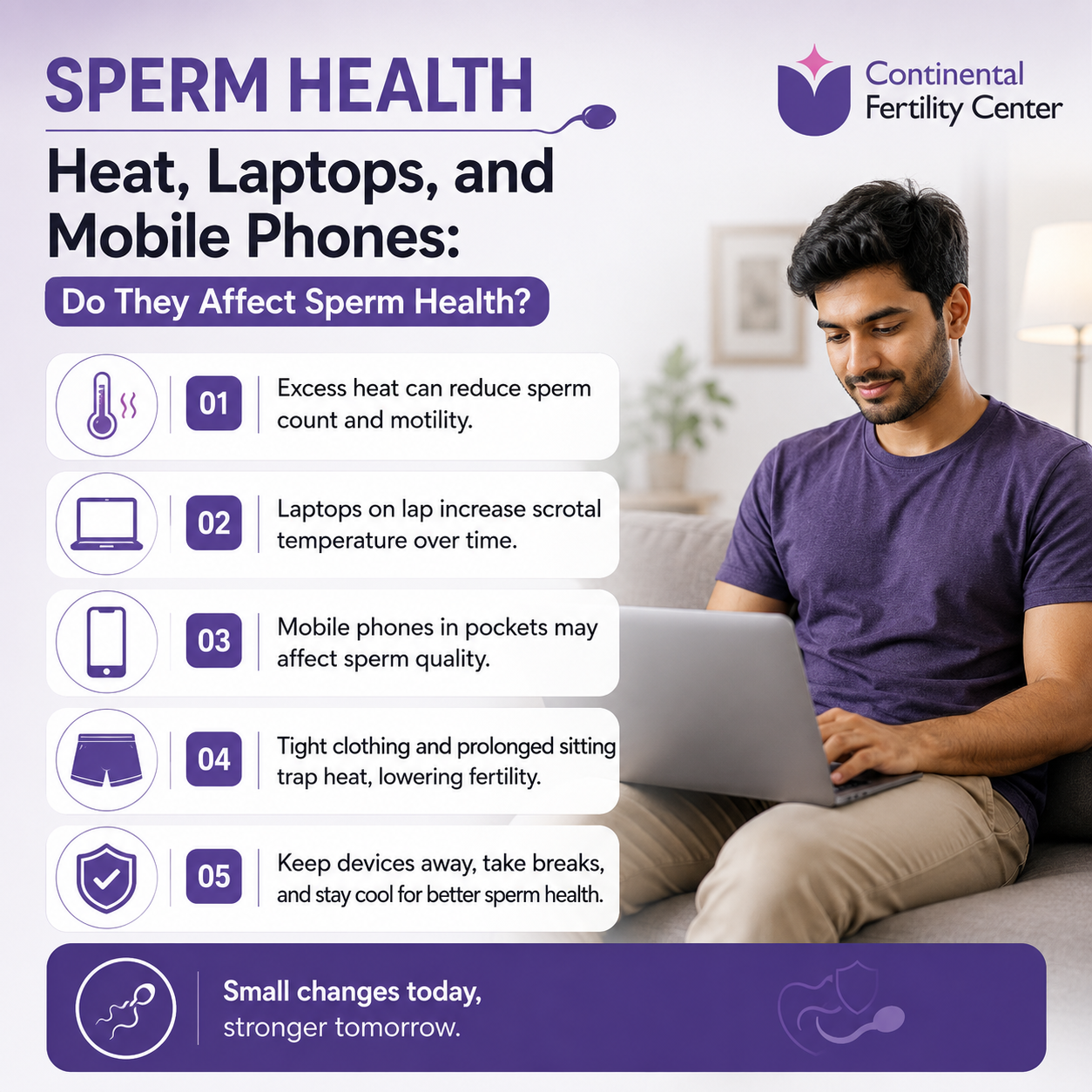
Does Heat Affect Sperm Health?
Yes. Excessive heat can affect sperm health because sperm production requires a cooler environment than the rest of the body. The testicles are located outside the body for this reason.
Frequent or prolonged exposure to heat may temporarily reduce sperm production. Common sources of heat include:
- Hot baths
- Steam rooms
- Saunas
- Tight clothing
- Long hours of sitting
- Laptops placed directly on the lap
Most heat-related changes improve after reducing exposure, but repeated heating over time may affect male fertility.
Can Laptops Affect Sperm Health?
Many people ask whether laptops and sperm health are connected. Research suggests that placing a laptop directly on the lap for long periods can increase the temperature around the testicles.
The concern is mainly related to heat rather than the laptop itself.
Possible reasons include the following:
- Heat generated by the laptop
- Reduced airflow
- Sitting with legs close together
- Long periods without movement
Using a laptop on a desk or table instead of directly on the lap helps reduce unnecessary heat exposure and supports better sperm health.
Do Mobile Phones Affect Fertility?
Questions about mobile phones and fertility continue to be studied by researchers. Some studies suggest that keeping a mobile phone in the front trouser pocket for extended periods may expose the reproductive organs to heat and radiofrequency energy. However, current scientific evidence remains mixed, and more research is needed before firm conclusions can be made.
Even so, simple precautions are reasonable if you are trying to improve sperm health.
These include:
- Avoid carrying the phone in the front pocket for long hours
- Keep the phone in a bag when possible
- Use speaker mode or earphones during long calls
- Avoid sleeping with the phone close to the body
These habits may help reduce unnecessary exposure while supporting overall male fertility.
What Other Habits Can Harm Sperm Health?
Heat is only one factor. Many everyday habits can influence sperm health.
Smoking
Smoking damages sperm DNA, reduces sperm count, and affects movement.
Excessive Alcohol
Heavy alcohol consumption may lower testosterone levels and reduce sperm production.
Obesity
Being overweight may increase body temperature around the reproductive organs and affect hormone balance.
Poor Diet
A diet lacking vitamins, minerals, antioxidants, and healthy fats can reduce sperm health.
Lack of Exercise
Regular physical activity supports hormone balance and reproductive health.
Stress
Long-term stress may interfere with hormone production and negatively affect male fertility.
Poor Sleep
Sleep is essential for healthy hormone production and sperm development.
What Are the Signs of Poor Sperm Health?
Many men with reduced sperm health have no obvious symptoms. Infertility may only become apparent when pregnancy does not occur after regular unprotected intercourse.
Some men may experience:
- Low sexual desire
- Erectile problems
- Swelling or pain in the testicles
- Hormonal changes
- Previous history of infections
- Difficulty achieving pregnancy
A fertility evaluation can identify the underlying cause.
How Can You Improve Sperm Health Naturally?
Simple lifestyle changes can make a significant difference.
Maintain a Healthy Weight
Healthy body weight supports hormone balance and improves sperm health.
Eat a Balanced Diet
Choose foods rich in:
- Fresh fruits
- Green leafy vegetables
- Whole grains
- Nuts and seeds
- Fish
- Lean protein
These nutrients help protect sperm from oxidative damage.
Exercise Regularly
Moderate exercise improves circulation, hormone levels, and overall reproductive health.
Avoid Excess Heat
Simple steps include:
- Use laptops on a table
- Wear loose-fitting underwear
- Avoid prolonged hot baths
- Take breaks from sitting
- Stay hydrated
- Get Enough Sleep
Aim for quality sleep every night to support healthy sperm production.
Manage Stress
Relaxation techniques, hobbies, meditation, and regular physical activity may improve overall wellbeing and male fertility.
When Should You See a Fertility Specialist?
Consult a fertility specialist if:
- Pregnancy has not occurred after one year of regular unprotected intercourse
- You have a history of testicular injury
- You have had surgery involving the reproductive organs
- You have varicocele
- You have hormonal disorders
- You notice changes in sexual function
- You have concerns about sperm health
Early evaluation allows timely diagnosis and treatment.
How Is Sperm Health Evaluated?
A fertility specialist may recommend the following:
- Detailed medical history
- Physical examination
- Semen analysis
- Hormone testing
- Ultrasound if required
- Genetic testing in selected cases
These tests help identify the cause of reduced fertility and guide appropriate treatment.
Why Choose Continental Fertility Center?
Continental Fertility Center at Continental Hospitals is one of the trusted destinations for comprehensive fertility care in Hyderabad. The center offers expert evaluation and advanced treatment for both male and female infertility under one roof. Our experienced fertility specialists, urologists, and embryology experts provide personalized care using evidence-based treatment approaches.
Continental Hospitals is recognized for its commitment to clinical excellence and patient safety. The hospital is accredited by JCI, NABH, and QAI, reflecting internationally recognized standards in healthcare quality. With advanced diagnostic technology, modern fertility laboratories, multidisciplinary expertise, and compassionate care, Continental Fertility Center is committed to helping couples achieve their dream of parenthood.
Conclusion
Concerns about heat and sperm health, laptops and sperm health, and mobile phones and fertility are understandable. While current research continues to explore these relationships, avoiding unnecessary heat exposure and following healthy lifestyle habits can support better reproductive health. Small daily changes such as using a laptop on a desk, limiting prolonged heat exposure, maintaining a healthy weight, eating nutritious foods, and managing stress can contribute to healthier sperm health over time.
If you are experiencing difficulty conceiving or have concerns about male infertility, seeking professional medical advice is the best step toward understanding your reproductive health.
If you are concerned about sperm health, reduced fertility, or planning for pregnancy, do not ignore the signs. The experienced fertility specialists in Hyderabad at Continental Fertility Center, a leading fertility specialty center at Continental Hospitals, provide comprehensive evaluation, advanced diagnostic testing, and personalized treatment plans for male infertility. Book a consultation today and take the first step toward improving your reproductive health with expert care.
Related Blogs:
Frequently Asked Questions
Yes, prolonged exposure to heat from laptops may affect sperm health, especially when the device is placed directly on the lap for long periods. The testicles are located outside the body because they need to remain slightly cooler than normal body temperature for healthy sperm production. Continuous heat can temporarily increase scrotal temperature, which may reduce sperm count, sperm movement, and sperm quality. Research suggests that frequent exposure to elevated temperatures can interfere with normal sperm development. However, occasional laptop use is unlikely to cause permanent fertility problems. Using a desk or laptop stand instead of placing the device directly on your lap can help reduce heat exposure. Maintaining healthy lifestyle habits and avoiding excessive heat are simple ways to support reproductive health. If you are trying to conceive and have concerns about fertility, consult a fertility specialist for a comprehensive evaluation.
Current scientific evidence does not conclusively prove that mobile phones directly cause infertility, but some studies suggest a possible association with reduced sperm quality when phones are carried close to the groin for prolonged periods. Researchers have explored whether radiofrequency electromagnetic waves and heat generated by mobile devices could affect sperm count, motility, and DNA integrity. While findings remain mixed, limiting unnecessary exposure is a sensible precaution. Avoid keeping your phone in your front trouser pocket for extended periods, especially if you are planning a pregnancy. Instead, carry it in a bag or jacket pocket whenever possible. Maintaining a healthy lifestyle, regular exercise, and proper nutrition remain far more important factors in supporting fertility than mobile phone use alone.
Healthy sperm production requires the testicles to remain approximately 2 to 4 degrees Celsius cooler than normal body temperature. Excessive heat can disrupt this natural cooling mechanism and interfere with sperm development. Frequent exposure to high temperatures from hot tubs, saunas, prolonged laptop use, or certain work environments may temporarily reduce sperm count and movement. Heat may also affect the structure and function of developing sperm cells. In many cases, these changes are reversible once heat exposure is reduced because sperm production continuously renews itself over several weeks. Wearing loose-fitting clothing, avoiding unnecessary heat exposure, and taking regular breaks from hot environments can help maintain healthy sperm production. Persistent fertility concerns should be evaluated by a fertility specialist.
Men who are actively trying to conceive may benefit from avoiding prolonged laptop use directly on the lap. Although occasional use is unlikely to significantly affect fertility, repeated exposure to heat can increase scrotal temperature, which may temporarily influence sperm production. Using a desk, table, or laptop cooling stand helps minimize direct heat transfer. Taking regular breaks during long work sessions also reduces prolonged exposure. These simple precautions are particularly worthwhile for couples facing fertility challenges or men with abnormal semen analysis results. Along with minimizing heat exposure, maintaining a healthy weight, eating a balanced diet, avoiding smoking, limiting alcohol, and exercising regularly all contribute to better reproductive health. A fertility evaluation is recommended if pregnancy has not occurred after appropriate attempts.
Yes, sperm health often improves after reducing excessive heat exposure because sperm production is an ongoing biological process. It generally takes about 70 to 90 days for new sperm to develop and mature. If heat has temporarily affected sperm quality, improvements may become noticeable over the following few months after adopting healthier habits. Reducing exposure to hot environments, avoiding direct laptop heat, staying physically active, eating nutritious foods, and managing medical conditions can all support recovery. However, recovery depends on the underlying cause of reduced fertility. If sperm quality remains abnormal despite lifestyle changes, additional medical evaluation may be needed to identify hormonal, genetic, or structural causes affecting fertility.
Several healthy lifestyle habits can improve and protect sperm health. Maintaining a healthy body weight, eating a balanced diet rich in fruits, vegetables, whole grains, healthy fats, and lean proteins supports sperm production. Regular physical activity improves overall reproductive health, while adequate sleep helps maintain hormonal balance. Avoiding smoking, recreational drugs, and excessive alcohol consumption is equally important. Reducing prolonged exposure to heat from hot tubs, saunas, laptops, and tight clothing may also benefit sperm quality. Managing stress, controlling chronic conditions such as diabetes, and attending regular medical checkups contribute to better fertility. Men planning a family should also avoid unnecessary exposure to environmental toxins whenever possible.
Some laboratory and observational studies have explored whether prolonged mobile phone exposure near the groin may increase oxidative stress or affect sperm DNA integrity, but current evidence remains inconsistent. There is no definitive proof that carrying a mobile phone in your pocket directly damages sperm DNA or causes infertility. However, because research is still ongoing, many fertility specialists recommend simple preventive measures such as avoiding prolonged storage of phones in front pockets, especially while trying to conceive. Using hands-free devices, placing the phone in a bag, and limiting unnecessary close contact are practical precautions. These measures are easy to follow and may help reduce potential risks while scientists continue investigating this topic.
A man should consult a fertility specialist if pregnancy has not occurred after one year of regular unprotected intercourse, or after six months if the female partner is over the age of 35. Men with a history of undescended testicles, testicular injury, surgery, cancer treatment, hormonal disorders, varicocele, recurrent infections, or abnormal semen analysis should seek evaluation earlier. Symptoms such as testicular pain, swelling, or sexual dysfunction also require medical assessment. A fertility specialist can recommend semen analysis, hormone testing, imaging studies, and other investigations to identify the cause. Early diagnosis and personalized treatment improve the chances of successful conception and help couples make informed reproductive decisions.