
How Couples Can Support Each Other During Fertility Treatment
The decision to build a family is a beautiful milestone in any relationship, but the path to parenthood does not always run smoothly. When a couple faces difficulties conceiving, the decision to undergo professional medical intervention marks the beginning of an intensely emotional and physical chapter. This period brings unique challenges that can test even the most resilient partnerships.
Embarking on a fertility journey requires vast amounts of patience, energy, and resilience from both individuals. While medical procedures address the physical aspects of conception, the psychological impact demands an equal amount of attention and care. The complex schedules, daily routines, and medical appointments can easily overwhelm a couple if they do not actively prioritize their bond.
Navigating this path successfully depends heavily on mutual care and steady partnership. Understanding how to manage the emotional highs and lows together can transform a challenging medical process into an experience that ultimately strengthens your relationship. By learning how to share the emotional weight, communicate transparently, and maintain intimacy, partners can protect their bond while pursuing their dream of parenthood.
Why Is Emotional Support Essential During a Fertility Journey?
Why do medical experts emphasize emotional care so heavily during reproductive care? A fertility journey is rarely a straightforward path, and it naturally brings a complex mix of hope, anxiety, and vulnerability. When a couple undergoes any form of fertility treatment, they are managing not just clinical schedules but a profound emotional landscape.
Without active couples' support during fertility treatment, the stress can create an invisible wall between partners. Each individual may process grief, hope, or anxiety differently, leading to unintended misunderstandings. Prioritizing fertility treatment support ensures that neither partner feels isolated in their experience, allowing the relationship to remain a secure haven throughout the medical process.
What Are the Key Challenges Couples Face in Relationship and Fertility Treatment?
What makes the intersection of relationship and fertility treatment so complex for modern couples? The primary challenges usually stem from differing coping mechanisms, communication gaps, and the sheer physical demand of clinical cycles. Recognizing these hurdles early helps couples navigate them without friction.
- Differing Coping Mechanisms: One partner might want to talk about the medical details constantly, while the other might prefer to process thoughts silently or seek distractions. Both methods are completely valid, but they can cause tension if not understood.
- The Weight of Physical Burden: The partner undergoing physical procedures or medication cycles experiences direct physical stress, which can lead to fatigue, mood shifts, and emotional vulnerability.
- Routine Fatigue: Managing regular clinic visits, strict medication timings, and constant monitoring can make life feel clinical, leaving very little room for relaxation or normal romantic life.
How Can Partners Provide Effective IVF Emotional Support?
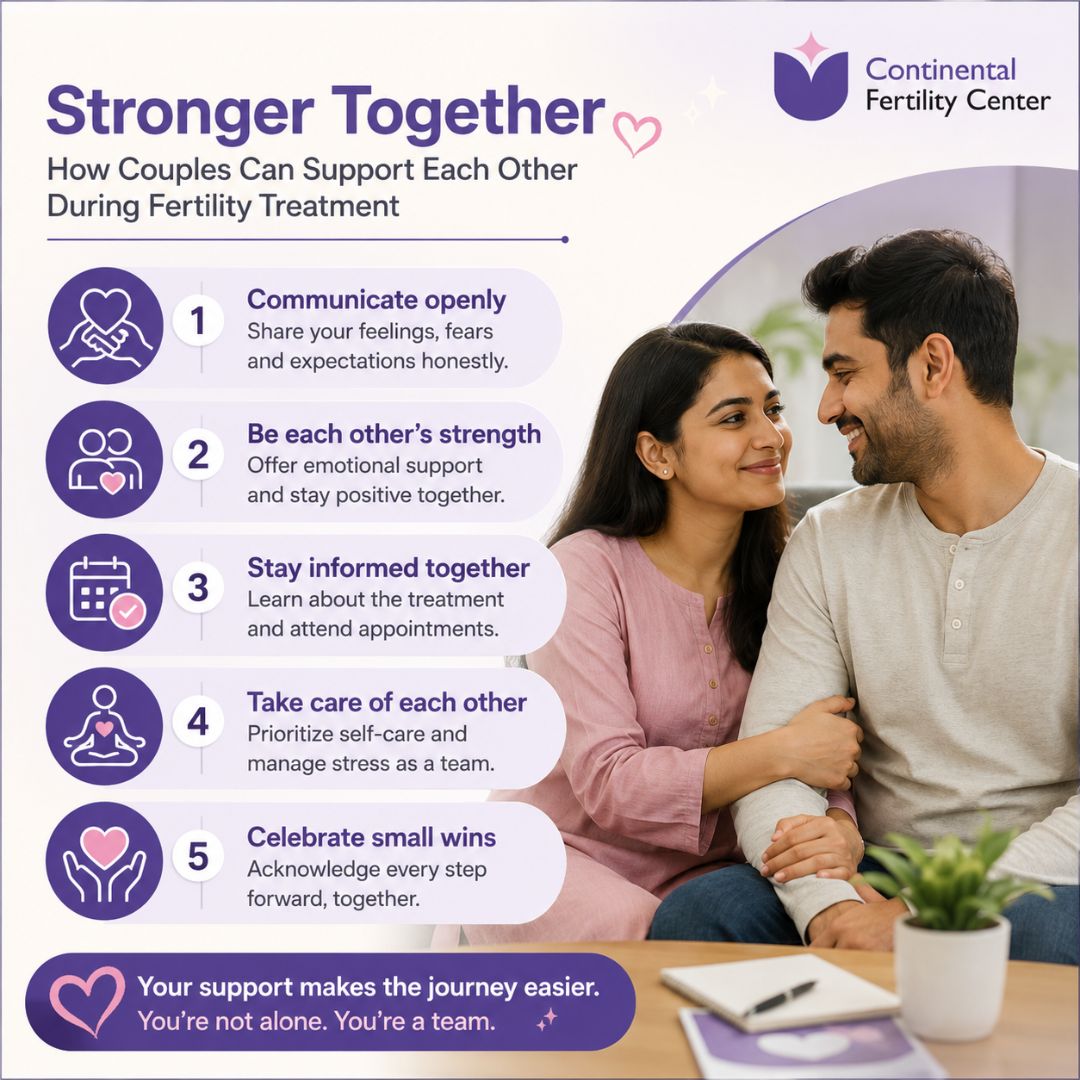
How can you show meaningful IVF emotional support to your partner when the clinical routine becomes intense? Small, intentional actions can significantly ease the daily stress of medical procedures.
- Attend Appointments Together: Whenever possible, go to the clinic as a team. Being present during consultations and procedures reinforces the reality that you are facing this journey together.
- Share the Administrative Load: Take responsibility for tracking appointment dates, organizing medical files, or setting medication reminders to relieve your partner of a major mental burden.
- Validate Each Other's Feelings: Avoid trying to fix every negative emotion immediately. Sometimes, simply listening and saying, "I know this is incredibly hard, and it is okay to feel sad today," provides the deepest comfort.
What Strategies Help Maintain Relationship Closeness and Deepen Infertility Support for Couples?
What practical strategies can couples use to ensure their bond remains strong outside the clinic walls? Protecting your partnership requires creating a clear boundary between your personal life and your medical schedule.
- Establish a Fertility-Free Zone: Dedicate specific times of the week or areas of your home where any discussion regarding medical appointments, tracking, or procedures is completely off-limits. Use this time to focus purely on your relationship.
- Schedule Non-Clinical Dates: Plan activities that you enjoyed before beginning medical consultations. Go out for walks, watch movies, or explore new places to remind yourselves of your identities as a couple.
- Practice Active Listening: Set aside fifteen minutes daily to check in with each other without distractions, ensuring that both partners have an equal opportunity to express their thoughts safely.
Why Choose Continental Fertility Centre for Your Treatment?
Why do discerning couples trust Continental Fertility Centre as the best hospital in Hyderabad for reproductive care? Choosing the right healthcare institution is critical not just for clinical success but also for the compassionate guidance you receive throughout your medical journey.
Continental Hospitals is a premier multi-specialty institution renowned for its world-class clinical infrastructure and patient-centric healthcare philosophy. The hospital proudly holds prestigious national and international benchmarks of excellence, including the National Accreditation Board for Hospitals & Healthcare Providers (NABH) accreditation. This ensures that every reproductive procedure is conducted under the highest global standards of clinical safety, patient care, and ethical practice.
The Continental Fertility Centre provides couples with an environment designed for comfort, privacy, and exceptional clinical success. Equipped with cutting-edge embryology laboratories, advanced diagnostic tools, and sophisticated reproductive technologies, the centre offers comprehensive solutions tailored to your unique health profile. The multi-disciplinary team understands the emotional complexities of fertility care and provides empathetic guidance, ensuring you and your partner feel fully supported at every single step.
Conclusion
The journey toward building a family through medical intervention is a profound testament to a couple's love, dedication, and shared vision for the future. While the clinical aspects of a fertility treatment require specialized medical expertise, the emotional resilience of the journey relies entirely on how well you look after one another. By maintaining open communication, validating each other's feelings, and actively sharing the responsibilities of the process, you can safeguard your relationship and emerge from the experience even closer than before.
If you suffer from reproductive challenges or feel overwhelmed by the emotional demands of your current path, remember that professional guidance can make a significant difference. Dedicated clinical teams are available to provide both the advanced medical care and the compassionate environment you need to succeed.
Book a consultation with our best fertility specialist in Hyderabad at Continental Fertility Centre today to receive the expert clinical care and comprehensive guidance your family deserves.
Related Blog Topics:
Frequently Asked Questions
Fertility treatment can be emotionally demanding for both partners, often bringing feelings of stress, uncertainty, disappointment, and anxiety. Emotional support helps couples navigate these challenges together and strengthens their relationship throughout the treatment journey. Open communication, empathy, and understanding can reduce feelings of isolation and help both partners feel heard and valued. Supporting each other emotionally can improve resilience, encourage positive coping strategies, and reduce treatment-related stress. Couples who actively share their feelings and concerns are often better equipped to manage setbacks and celebrate milestones together. Maintaining a supportive environment also promotes mental well-being, which is an important aspect of overall reproductive health. Seeking professional counseling when needed can further enhance emotional support during fertility treatment.
Effective communication is essential during fertility treatment because both partners may experience different emotions and concerns. Couples should create a safe space to discuss their thoughts, fears, expectations, and treatment decisions openly and honestly. Active listening without judgment helps build trust and understanding. Setting aside dedicated time for meaningful conversations can prevent misunderstandings and strengthen emotional connections. It is important to express feelings calmly and respectfully while acknowledging each other's experiences. Couples should also discuss treatment goals, financial considerations, and future plans together. Maintaining regular communication can help partners feel supported and united throughout the fertility journey, even during challenging phases.
Stress management plays a vital role during fertility treatment. Partners can support each other by engaging in relaxing activities such as walking, meditation, yoga, reading, or spending quality time together. Encouraging healthy habits, including proper sleep, balanced nutrition, and regular physical activity, can also help reduce stress levels. Couples should avoid blaming themselves or each other for treatment challenges and instead focus on teamwork. Taking breaks from fertility-related discussions when necessary can prevent emotional exhaustion. Practicing mindfulness and seeking support from counselors or support groups may further improve emotional well-being. A shared commitment to self-care can help couples stay positive and resilient throughout treatment.
Experiencing an unsuccessful fertility treatment cycle can be emotionally painful for both partners. It is important to acknowledge feelings of sadness, frustration, or grief rather than suppressing them. Couples should support each other by offering empathy, patience, and reassurance during this difficult period. Openly discussing emotions can help prevent misunderstandings and strengthen the relationship. Taking time to process the experience before making further treatment decisions is often beneficial. Seeking guidance from fertility specialists can provide clarity about next steps and treatment options. Professional counseling may also help couples cope with disappointment and maintain emotional well-being. Facing setbacks together can foster resilience and strengthen mutual support.
Sharing responsibilities can make fertility treatment feel less overwhelming. Partners can divide tasks such as scheduling appointments, managing medications, tracking treatment timelines, and handling insurance or financial matters. Attending medical consultations together allows both individuals to stay informed and involved in decision-making. Practical support, such as accompanying a partner to procedures or helping with daily activities during recovery, can also be valuable. Sharing responsibilities demonstrates commitment and reduces the burden on one partner. It helps foster teamwork and strengthens the sense that fertility treatment is a shared journey. Mutual involvement can improve communication, reduce stress, and promote a stronger partnership throughout the treatment process.
Professional counseling can be highly beneficial for couples undergoing fertility treatment. Fertility challenges may affect emotional health, self-esteem, relationships, and future planning. A trained counselor can provide coping strategies for managing stress, anxiety, and uncertainty. Counseling sessions offer a safe environment to discuss sensitive emotions and improve communication between partners. Couples may also receive guidance on handling treatment setbacks, making informed decisions, and maintaining relationship satisfaction. Seeking counseling does not indicate weakness; rather, it demonstrates a proactive approach to emotional well-being. Many fertility centers recommend counseling as part of comprehensive fertility care. Professional support can help couples navigate their journey with greater confidence and resilience.
Fertility treatment can sometimes place pressure on a couple's intimate relationship, especially when timing and medical procedures become a major focus. Maintaining emotional and physical intimacy outside of treatment discussions is important for preserving relationship satisfaction. Couples can spend quality time together, engage in shared hobbies, plan enjoyable activities, and express affection regularly. Honest communication about feelings and expectations can help prevent misunderstandings. Intimacy should not be limited to conception efforts alone. Supporting each other emotionally and prioritizing the relationship can strengthen connection during treatment. A healthy emotional bond can improve overall well-being and help couples navigate fertility challenges more effectively.
Couples should consider seeking additional support if fertility treatment begins to significantly affect their emotional health, daily functioning, or relationship quality. Persistent feelings of anxiety, depression, hopelessness, anger, or relationship conflict may indicate the need for professional guidance. Support can come from fertility counselors, psychologists, support groups, trusted family members, or healthcare providers. Seeking help early can prevent emotional challenges from becoming overwhelming. Additional support may also be useful when facing repeated treatment failures, complex medical decisions, or financial stress. Accessing appropriate resources can improve coping skills and emotional resilience. A strong support network can help couples feel less isolated and more empowered throughout their fertility journey.